
 It is normal for the washing machine to hum and make sounds while operating.
But if a loud noise appears, then there is reason to think about the functionality of some parts of the equipment.
You'll need to analyze unusual noises and diagnose your washing machine. And if your downstairs neighbors are complaining, this will help.
turnkey floor screed with soundproofing
Permissible noise limits
Each washing machine comes with an instruction manual that contains information about the noise level.
The standard may vary and depends on the technology and drive option:
- belt varies from 60 to 72 dB;
- direct from 52 to 70 dB.
These decibel levels aren't silent, but they're also comfortable for users. So how do you know if a washing machine is that loud?
Accurate measurement is possible with sound level meterThere are Chinese models that are quite inexpensive. But it's not always possible to purchase this equipment. What should you do?
 There are many associations with dB. For example, a sound of 50 dB is typical for a typewriter, while 95 dB is equivalent to a subway train. A jackhammer produces 120 dB. These are good reference values. If you feel like your washing machine is making a loud hum or strange noise, it's time to find the cause and fix it.
It is important to understand when the unpleasant sounds occur – during washing, spinning, rinsing or draining.
Reasons why your washing machine is loud
Noise due to improper installation
In this case, the washing machine started humming the first time I started washing. What should I do?
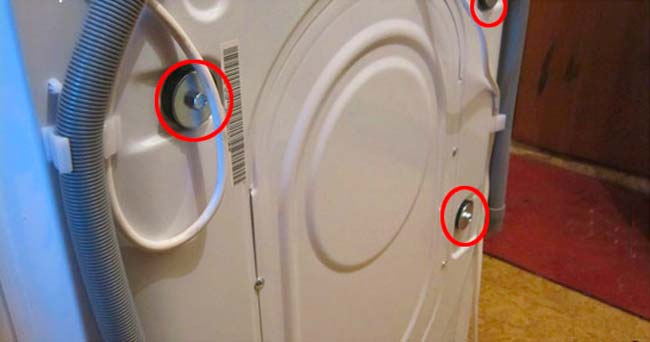
 Check presence of transport boltsThey shouldn't be there! Often, newbies simply don't know about them, but the bolts can damage the washing machine. They're located at the back and secure the drum when moving. When installing the machine, the bolts should be removed and caps installed in their place.
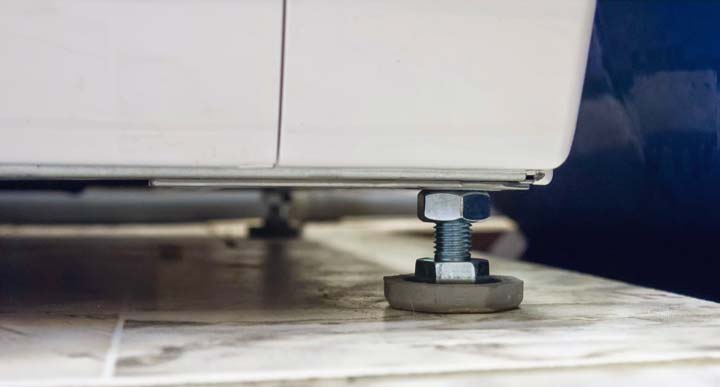
 Ensure that the washing machine is placed on a flat, horizontal surface.
- Adjust the feet so that the machine is stable and does not wobble from side to side.
Noise due to malfunction
If noise or humming is heard during operation at a certain stage, then there may be various problems with the machine's components, which you can resolve yourself.
 Cracks:
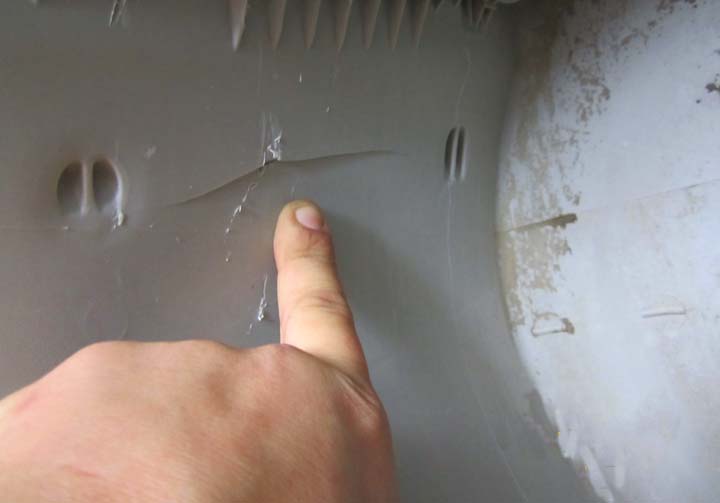
- on the tank (definitely requires replacement);
- in the body.
 Weak drum pulley fasteningThis type of failure is characterized by intermittent clicking sounds. Over time, the drum becomes completely loose. The solution is simple. To do this, remove the rear cover and secure the part. It's best to use sealant to tighten the bolt. This prevents the possibility of it loosening again.
- The bolts on the engine play have become looseThey will need to be strengthened.
 Weak counterweight and upper spring mountsThe counterweight is needed to stabilize the drum during spin mode. Its weight is adjusted to balance the drum on both sides. It's located in a hard-to-reach spot. To check the part for proper operation, you'll need a flashlight and your hands. You'll have to feel the bolts and check if they're loose. If the counterweights themselves are broken, they'll need to be replaced.
 The brushes are worn out. The washing machine hums but doesn't spin. This is accompanied by a very loud knocking sound. The brushes cannot be repaired; they can only be replaced. However, to access them, the motor must be completely disassembled.
- Bearing problemsIf your washing machine is making a loud humming, rattling, or noise, the bearings may be faulty. This is easy to check. Just turn the drum with the machine turned off and listen. If everything is quiet, the bearings aren't the problem. If you hear a rattling noise, then:
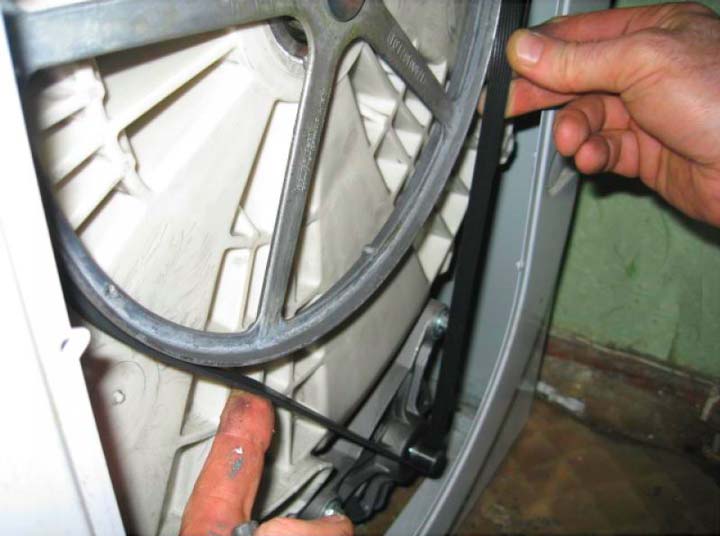
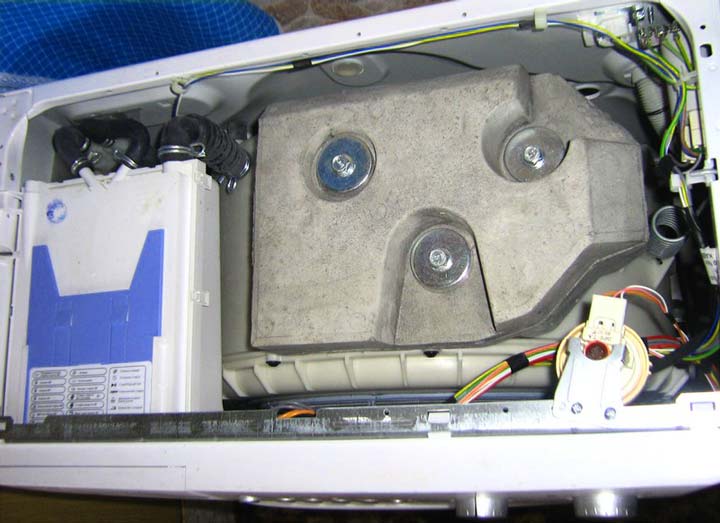
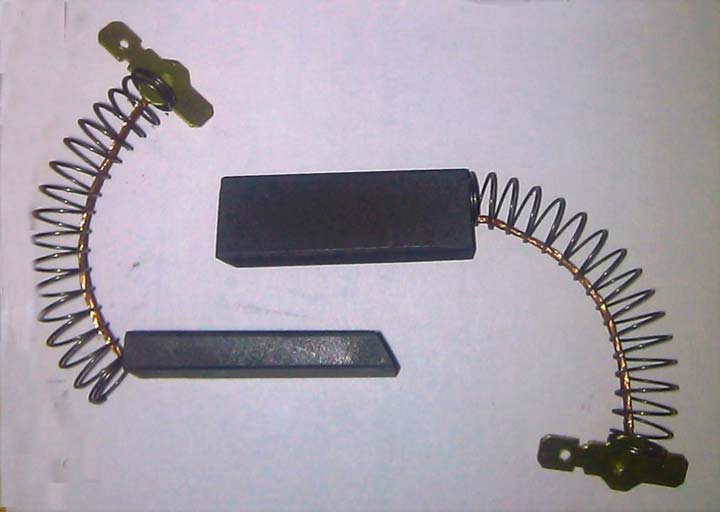
 The front cover, bottom cover and control panel are removed.
- The back wall is also removable.
- The heating element (TEN) is pulled out and the motor behind it, when removing it, do not forget to move the belt.
- The tank is disconnected.
- The tank is disassembled.
- Worn or damaged bearings are knocked out and replaced with new, working ones.
- Assembly in reverse direction.
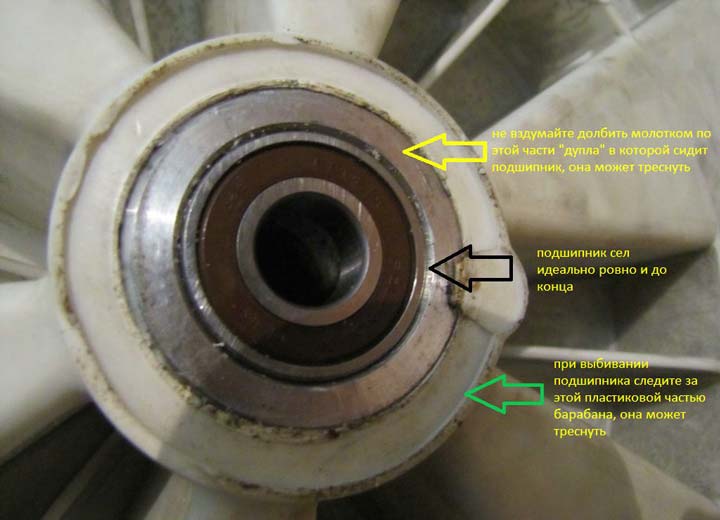
The seals in the tank are used to keep the tank sealed. They often wear out and become worn out. If a seal leaks moisture, it can enter the bearing and damage it.
 Cuff interference Due to incorrect sizing. Sometimes the machine's seal rubs against the drum, causing rubber crumbs to appear on the door. This is often a problem with economy-class washing machines. To fix the situation, you need to:
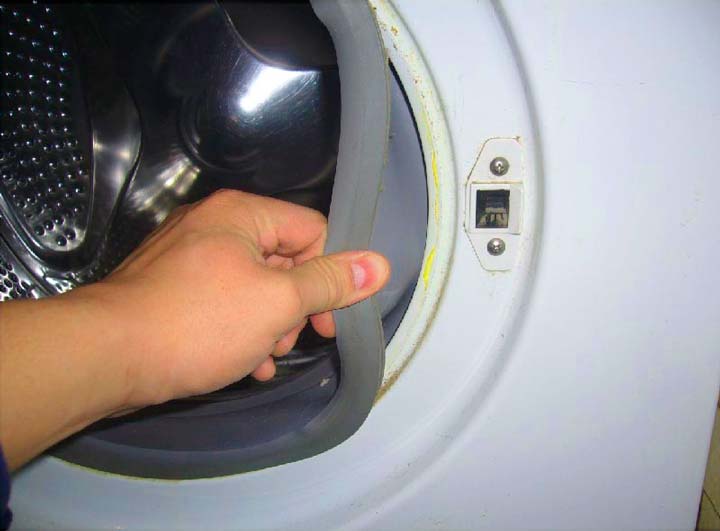
- Take sandpaper (not coarse) and attach it with tape to the side of the drum.
- The “spin” program is switched on.
- Then the rinse starts.
This way, sandpaper will clean the areas of contact with the tank, and rinsing will clean the equipment from rubber dust.
- Foreign objects. If a foreign object gets into the drain pump, an intermittent loud cracking noise will occur.

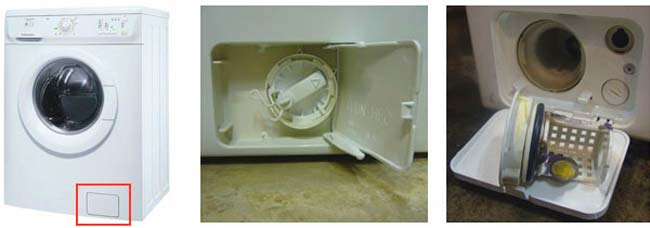
At low speeds, this may not be audible, but with strong vibration, you can hear whistling, creaking, and other sounds. Why is the washing machine humming? What could be interfering with its operation? These could be buttons, paper clips, pins, coins, bra underwires, and other obstructions. To remove them, remove the heating element and use tweezers to remove the obstructing items. When reinstalling the heating element, be sure to lubricate the rubber with liquid soap.
The drain pump can wear out in just 5 years, and even faster if small objects get into it.
Noise prevention
Following and adhering to a few simple rules will help you avoid noise problems with your car. All you need to do is:
- don't stuff too much laundry;

- do not run the wash cycle several times in a row;
- do not frequently use the washing mode at very high temperatures;
- don't forget to clean the filter;
- Do not put laundry into the wash with foreign objects in the pockets;
- Do not use very hard water; if this is not possible, then be sure to soften it.
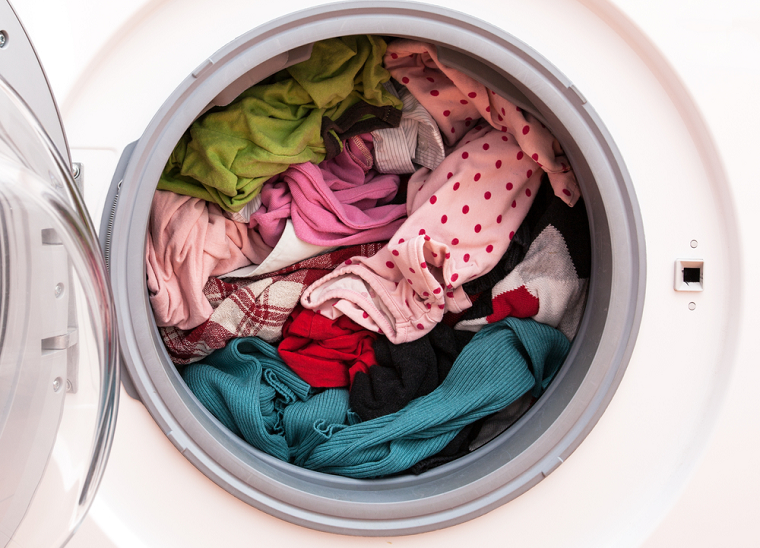
Owning a washing machine requires careful maintenance and attention. Timely diagnostics and troubleshooting will ensure years of reliable operation.


As a washing machine repair technician, I can say this article is interesting. Many possible causes are identified accurately. However, every problem is unique, so if you're experiencing loud noise, call a professional.
