
 In the modern world, it would seem that all processes are automated, including everyday tasks. However, there are certain minimum rules that every housewife should know. Let's look, for example, at the most common mistakes made when washing clothes in a washing machine.
Items that cannot be washed. Before washing, check the tag on every item, which is often cut off without even being read.
There are some fabrics that should only be dry cleaned and not washed at all. For example, leather, suede, and natural silk items should be dry cleaned. Lingerie, including bras, should be washed in special containers.
Top 13 Mistakes
Wool is also best dry cleaned, but it can still be washed, but with caution. Hand wash in cool water and hang to dry naturally, preferably flat. Machine drying is contraindicated for such items, as they may shrink significantly or become misshapen.
Please note: Swimwear and underwear made of elastane should not be machine washed, as the fabric will quickly disintegrate and become unusable.
"Dry clean" labels may appear on dyed items that may fade significantly in a regular wash. To be sure, it's best to test the colorfastness before washing. Apply detergent to a hidden area of the item with a cotton swab and see if the color stays on the cloth or if the color changes. If all goes well, you can soak the garment in water and detergent, then rinse thoroughly without vigorously agitating it.
- Sorting laundry
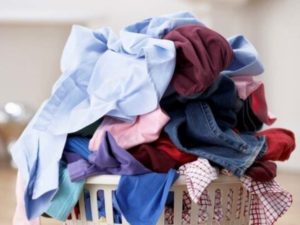 Before washing, many people sort their laundry by color. White, colored, black... But you also need to pay attention to the fabric type. For example, wool or fleece shouldn't be washed with synthetics. Each fabric type also has its own recommended temperature range. It's best to wash similar items in small batches.
- Washing volume
We often load laundry into the washing machine based on "as much as it can fit." This is fundamentally wrong; each machine is designed for a specific amount of laundry, and if you constantly exceed that capacity, the washing machine will quickly become unusable. Also, for washing machines with a built-in dryer, the amount of laundry to be dried should be half the maximum load capacity of the drum. This will ensure even drying and prevent damage to the laundry.
To calculate the approximate volume of laundry to be loaded, you can use the following weight parameters of dry laundry in grams:
Bed sheets:
Duvet cover – 700
Sheet - 500
Pillowcase – 200
Bath towel – 600
Jeans – 600
Bathrobe – 1200
Jacket – 1100
Trousers – 500
Shirt – 300
Please note: Different types of fabric absorb different amounts of moisture.
The drum should be loaded based on the volume and type of fabric, depending on which the volume of dry laundry increases in the following percentage ratio:
Cotton – 0%
Synthetics – 50%
Wool – 70%
- Zip up the zippers
Close all zippers on clothes being washed, especially metal ones, to avoid damaging the garments. The teeth can snag and tear the fabric, as well as scratch the inside of the machine.
- Unbutton the buttons.
Buttons, on the other hand, should be left undone, as the spin cycle can cause them to tear fabric and ruin items. This also applies to snaps.
- Check your pockets.
Important documents, money, or other items often get washed and forgotten in pockets. Make it a rule to check jeans and jackets before washing. Besides damaging the items, there's also the risk of damaging the washing machine itself with stuck coins, keys, and other metal objects.
- Quantity and quality of detergent.
Pay attention to the amount of detergent you add to your washing machine. Using too much will result in poor rinsing and leave streaks on your clothes. It can also create excessive foam, which can ruin your washing machine. Hand-wash detergents should not be used in washing machines because they create excessive foam. Using too little detergent will result in poor cleaning results.
Important: The amount of detergent used depends not on the load size, but on the amount of water added. Therefore, use the same amount of detergent, even for different load sizes.
After washing, bed linen should be washed again without detergent to avoid unnecessary allergies.
- Using bleach.
Chlorine-containing substances are very good at removing stains and bleaching fabric, however
With frequent use, such products can damage items and weaken the fibers of fabrics. Today, there are numerous bleach-free alternatives that are just as effective at removing stains while protecting your items. Carefully read the ingredients on stain removers.
- Do not leave washed laundry in the machine.
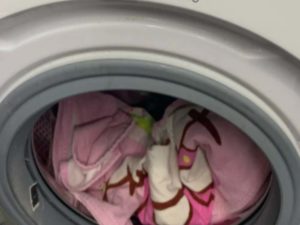 After washing, avoid leaving clean laundry in the drum for too long. This will cause wrinkles and a musty odor. Forgetting to clean the laundry can also lead to mold, which is very difficult to remove.
- Mechanical impact.
Vigorous rubbing can quickly weaken and damage fabric, especially delicate underwear. Rubbing a stain vigorously can damage the fabric. Boiling, too, can quickly ruin fabrics if used frequently, so it should be used only in extreme cases. It's best to use modern stain removers and soaking. A fresh stain is easier to remove than an old one, so it's best to wash the stained item immediately.
There are also several washing rules that apply to the washing machine itself and its care.
- Correct installation.
A modern automatic washing machine must be level and level. Any misalignment can impair the centrifuge's operation, increase wear on the washing machine's parts, and, on top of everything else, damage your floor. If the machine moves during operation, it will create additional vibration, increase noise, and the machine may shift and scratch the flooring.
- Breaks between washes.
If you have a large load of laundry, it's best to load the washing machine without long breaks. It's a common misconception that you should let the machine cool down and only load it again after a couple of hours, but this is incorrect! While the machine is still warm, it uses the accumulated heat for subsequent washes, thereby reducing energy consumption. This type of washing is more ergonomic and efficient.
- Cleaning and drying the washing machine.
After washing, wipe the inside of the machine dry and leave it open to allow excess moisture to evaporate. Dirt can accumulate in the rubber folds of the drum, causing mold and unpleasant odors over time. The detergent and fabric softener dispensers should also be completely removed, cleaned, and dried.
Lint and dirt accumulate in the filter and drain hose of washing machines. If you notice that the machine drains water more slowly, this is the first sign of a blockage. You should disconnect the drain hose and clean it.
Note: To clean the inside of the machine, run it empty at 90°C (194°F) every six months. To remove limescale, add citric acid instead of washing powder.