One of Europe's largest brands, the German concern Henkel, like many other international companies, has announced its withdrawal from the Russian market.
Last month, a company representative announced that its operations in Russia would continue, albeit with some restrictions. Currently, there is information that the company will definitely leave the domestic market in 2023. This decision will take time to implement, but employees will continue to be paid, and Henkel products will remain available on Russian store shelves.
What does Henkel produce?
In April of this year, it was announced that the company would leave the Russian market in 2023 due to sanctions. On April 19 of this year, information about this was posted on the organization's official website.
Henkel is a major global manufacturer of household and industrial chemicals, as well as cosmetics. The company is also part of a concern that supplies construction materials to the global market.
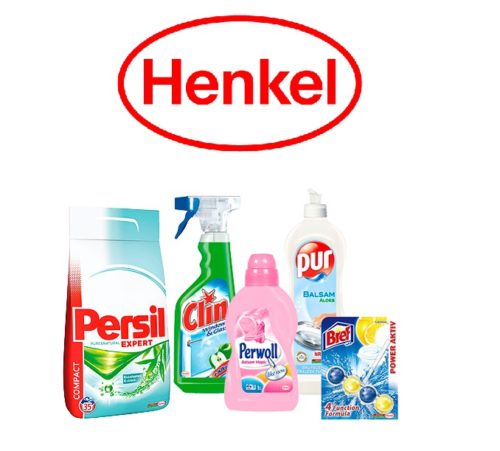
Henkel's product range is quite extensive. The company includes divisions specializing in the production of various types of detergents and cleaning products. Henkel includes not only international brands (such as Schwarzkopf or Syoss), but also familiar names such as Laska, Losk, Moment glue, Persil, Pril, Fa, and others.
Henkel's importance in the Russian market
The company has been operating in the domestic market since 1990, steadily increasing its turnover and expanding its production. In 2022, the company's revenue was approximately €1.5 billion. Furthermore, its 11 factories located in Russia employ 52,000 people.
Compared to other companies that have left the Russian market, Henkel stands out in that it has its own production facilities in Russia, not just retail and office equipment.
The statement, made on April 19, stated that the concern would no longer conduct business in our country, but said nothing about restrictions.
Active preparatory work is currently underway to implement this decision. The company is collaborating with Russian specialists to address various operational issues and details. Two and a half thousand Henkel employees continue to operate in Russia and are receiving their salaries. This decision was made based on an analysis of the current political situation. The statement made no mention of a return to the Russian market.
What will happen after anti-Russian sanctions are lifted?
To date, there is no information regarding the return of this well-known company to our market. The statement is categorical, but some believe it is simply a tactical move to avoid reputational damage. It should be noted that the company's management is well aware of proposals being considered in the State Duma of the Russian Federation regarding the adoption of laws nationalizing the assets of foreign companies that have supported sanctions against Russia.
Currently, many foreign companies are experiencing difficulties exiting the Russian market and legally formalizing it. Options being considered include establishing trust management or selling the companies with the option of a subsequent buyout (option).
Since the company reserved the right to monitor the development of the situation in Russia, it can be assumed that the decision may be changed.
What can I replace Henkel with?
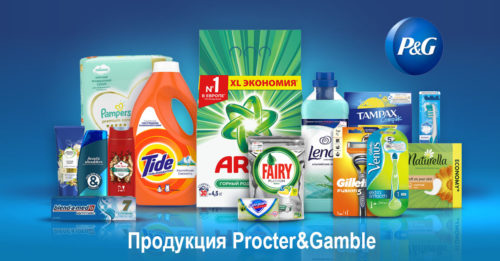
According to Russian manufacturers, recognizing the importance of renowned global brands like Henkel and Procter & Gamble, their departure will not leave Russians without similar products. As the saying goes, "nature abhors a vacuum." This niche will be filled by domestic producers. Perhaps not immediately, but the product range will expand, and in terms of quality, it will be no worse than foreign counterparts.
It is important to understand that it will take some time to replace goods from foreign manufacturers who have refused to cooperate with Russia.
For the production of cosmetics and household chemicals, raw materials unavailable in Russia will be purchased and supplied from India and China. This is a matter of cost, timing, and logistics. Of course, we must work to develop our own raw material base, but this will take years, not months. The current situation in Russia is a real opportunity for domestic manufacturers, who have been forced to live in the shadow of the German giant, to reach a new level of development.

Conclusion
With global brands leaving the Russian market, our compatriots won't be left without household chemicals. Even if familiar brands of laundry detergent or glue disappear from store shelves, they will be replaced by equally high-quality domestically produced products. This situation can be seen as a reproach to the relevant authorities, who have allowed a huge share of the Russian market to be owned by foreign companies, which suppress Russian manufacturers.