
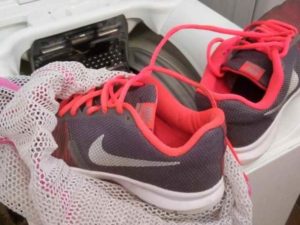
 Properly washing your sneakers. Many factors influence the effectiveness of your workouts, and one of the most important is your equipment, especially your sneakers. They suffer the most during your workouts, enduring all kinds of weather: mud, rain, and heat. At the same time, sneakers absorb unpleasant odors and sweat that build up during your workouts.
Every pair of runner's running shoes carries memories of kilometers covered along difficult routes and peaks reached, serving as a lucky charm for their owner. In such a situation, how should you properly care for your shoes to ensure they last as long as possible without losing their quality? And if you're looking for insulated boots, follow the link.
- Care tips for machine-washing sneakers
- Rules for hand and machine washing
- Features of drying sneakers
- Caring for membrane sneakers
- Properties of water repellents
- What can be done to restore the breathability of sneakers?
- How to care for leather and suede sneakers
- Ways to get rid of odor without washing
- Hand washing sneakers
- Removing stains from white sneakers
- What to look out for
Care tips for machine-washing sneakers
Technological advances have given us washing machines, making the chore of cleaning clothes easier. Nothing could be simpler: throw dirty laundry and shoes in the machine and wait for the cycle to finish. Washing clothes, especially sports shoes and training shoes, requires certain skills to avoid damaging their original qualities.
First, you need to prepare your sneakers for machine washing. To do this, remove the insoles (if they aren't sewn in) and laces. Remove any dried dirt and stones from the soles, rinsing thoroughly with water.
When machine washing, be sure to use special mesh bags. They prevent shoes from banging against the drum, preserving the fabric and preventing the top coating from chipping after multiple washes. The mesh bag is also convenient for washing the laces and insoles.
Don't overload the washing machine with every pair of sneakers you have at once. This type of washing damages both the machine and the shoes. Not only will they not stretch properly, but they're also more likely to get damaged by the drum.
Rules for hand and machine washing
Having completed the shoe preparation stage, we move on to the main thing – the washing itself.
You need to select the most gentle washing cycle for your washing machine. Hand or delicate cycles are suitable. If your machine doesn't have these options, use the shortest wash cycle without spinning.
Instead of regular laundry detergent, it's best to use a special gel or liquid powder. They effectively remove dirt in cold water and rinse easily without leaving streaks.
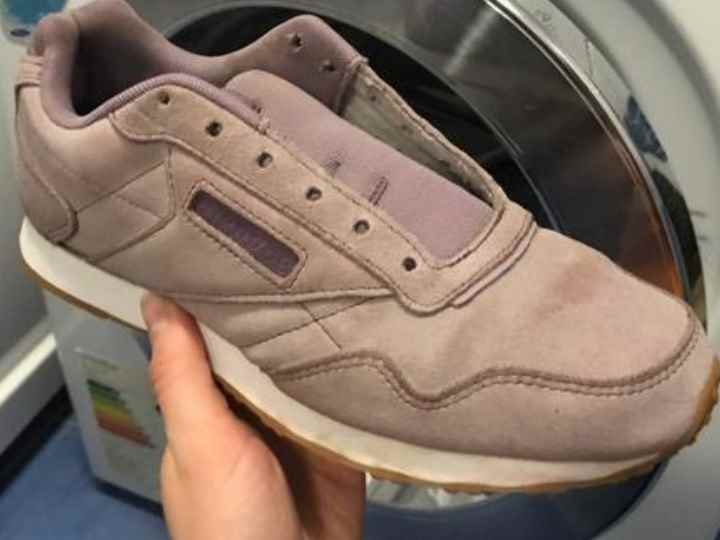
The gentle cycle uses a low temperature, which the machine automatically sets. However, if you must manually wash your shoes, it's best to set the temperature no higher than 40 degrees Celsius. Water that's too hot can distort the shape of your sneakers, causing them to come apart or shrink, making them unsuitable for training in.
Features of drying sneakers
If the stains are very heavy and the sneakers are light-colored, washing them alone is unlikely to completely clean them. Additional cleaning with a toothbrush and soap will be necessary. This method is convenient for quick emergency cleaning, as well as if you just need to remove dirt from the soles. This method is especially effective for textured soles.
Drying athletic shoes also requires careful attention. Avoid artificially speeding it up with radiators, hair dryers, or microwaves (some, in pursuit of quick results, might even resort to microwaves). Such experiments can irreparably damage the sneakers and negatively impact the fabric and adhesives. If you need to dry them in a couple of hours, you can use the old-fashioned method: stuff the shoes with regular paper or newspaper, or, better yet, buy a professional shoe dryer, which are available in shoe stores.
While the process of washing simple fabric sneakers is more or less clear, we'll discuss below how to properly care for shoes made of suede, leather, or material with a waterproof coating.
Caring for membrane sneakers
The main risks associated with washing membrane footwear are the risk of damaging the waterproof DWR coating and altering the breathability of the material. These special properties do not negate the basic washing steps required for regular sneakers. Membrane footwear can also be washed in the washing machine; however, it is important to use gentle detergents specifically formulated for this fabric. These footwear does not tolerate products containing fats, waxes, or oils, which can reduce the beneficial properties of the coating. If the water-repellent properties are accidentally damaged, a special impregnation should be purchased from sportswear stores. This can easily restore the properties; however, before use, ensure that the sneakers are free of any previously used cleaning agents.
Properties of water repellents
Special water-repellent treatments can also be used on regular fabric sneakers. It's important to remember that these treatments impart special properties to the coating, not alter it; mesh fabric can't be transformed into a membrane. The treatment makes the top layer of the fabric impermeable, collecting water droplets that then easily roll off. High-quality treatments will last for up to three washings, provided that only special liquid treatments, not regular powders, were used during the washing.
Simple granular powders destroy the membrane. Over time, the special coating begins to peel away from the base material, and its properties are compromised. The sneakers lose their water resistance and may even begin to chafe.
What can be done to restore the breathability of sneakers?
When membrane sneakers are worn for long periods, the pores become clogged, compromising the fabric's breathability. Special products can clean the surface and restore its functionality. Applying an impregnation will also protect against harmful influences and prolong the life of the material's water-repellent properties.
It's best to avoid machine washing membrane footwear. If the shoes require light cleaning, it's best to hand-wash the surface with warm water and a sponge or brush. Dry these shoes naturally, avoiding heating devices.
How to care for leather and suede sneakers
Never use a washing machine to clean leather or suede items. If your sneakers have even partial inserts made of these materials, hand cleaning with warm water and soap is the only option. Avoid using powders containing harsh particles, as these are designed for polishing surfaces; in this case, the granules can damage the fabric, causing scratches.
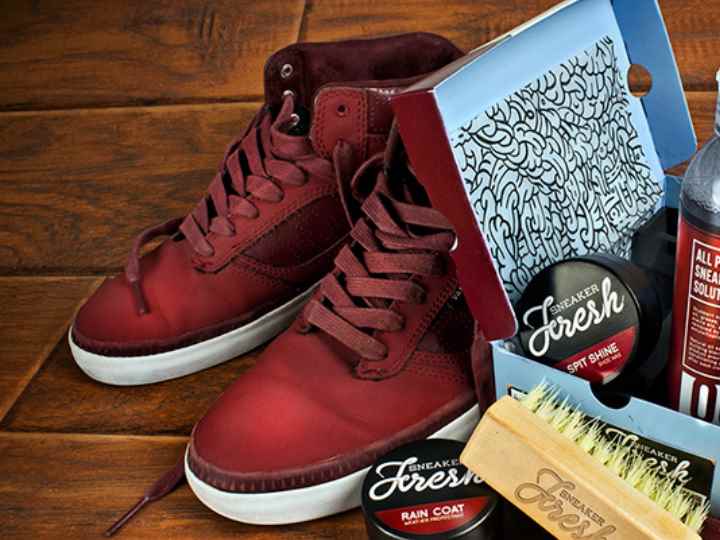
Leather sneakers should only be washed with warm water and liquid detergent or soap. Avoid over-wetting or vigorous rubbing, as this will cause the shoe to become deformed and the sole to come loose.
Suede or nubuck sports sneakers should not be cleaned with water at all; these shoes require dry cleaning only with a stiff brush to avoid pushing any remaining dirt deeper and to preserve the napped surface.
To protect the sneakers from moisture and prevent the surface from drying out, treat them with special sprays. Deep stains can be removed with any solution containing alcohol or gasoline, while dishwashing gels will remove greasy stains. If you're worried about damaging your shoes, you can test the solution on an inconspicuous area or a similar fabric. Never leave the solution on the shoes for long periods of time, as the chemicals can corrode the material.
Ways to get rid of odor without washing
What to do when you need to get rid of sweat odor quickly without washing your sneakers? Shoe deodorant is a good choice. This product is convenient for travel and competitions. Another universal odor-removal solution is hydrogen peroxide. Just wet the inside of your sneakers with a damp cloth. The alcohol will quickly evaporate, taking the unpleasant odor with it. Vinegar is also excellent for removing ingrained odors.
The longer way – This is the use of green tea bags. To do this, place the bags in your sneakers overnight, and the odor will be reduced in the morning. This remedy is less effective, as it only masks odors but does not kill bacteria.
Hand washing sneakers
First, prepare your sneakers by removing the insoles and laces. An old toothbrush is great for cleaning the textured soles and stubborn stains from fabric surfaces.
Sneakers made of artificial materials, synthetics, and polyester do not require special detergents; simple laundry soap is suitable for cleaning.
When washing sneakers, be careful when using regular powders containing hard granules, as they can damage the surface of the shoes.
Washing the sneakers involves soaking them in warm, soapy water for about half an hour. If the water is very dirty, change the water and wipe the sneakers with a detergent to remove stains. Next, rinse the shoes thoroughly, removing any dirt with a sponge or brush. To freshen up white sneakers, use laundry soap or a liquid detergent. bleach.
Shoelaces and insoles also require periodic cleaning. Shoelaces can be easily washed with soap, while insoles should be scrubbed with a brush and detergent, then rinsed thoroughly. Shoelaces can be dried on a radiator, while insoles, like sneakers, should be air-dried.
Removing stains from white sneakers
A slice of lemon will remove yellow stains from white surfaces. A mixture of baking soda and ammonia will remove stubborn stains. If streaks remain on the sole after cleaning, you can erase them with a school eraser or wipe them with bleach, being careful not to let the solution get on the fabric. When using strong detergents, be careful around the glued areas of the sole to prevent the sole from coming apart.
What to look out for
Some manufacturers, aware of the specific features of their footwear, provide detailed information on how to wear and clean their products. These tips are often posted on the manufacturer's website or on the labels.
Proper care of training shoes prolongs their lifespan and saves money. Clean shoes protect feet from illness, keep the skin dry for longer, and prevent the growth of bacteria and fungi. Properly maintained running shoe properties, such as sole cushioning and waterproof fabric, reduce the risk of injury and blisters.


What's so complicated about it? You just take off everything unnecessary, set it to "sports shoes" mode—well, Indesit has that—and that's it.