
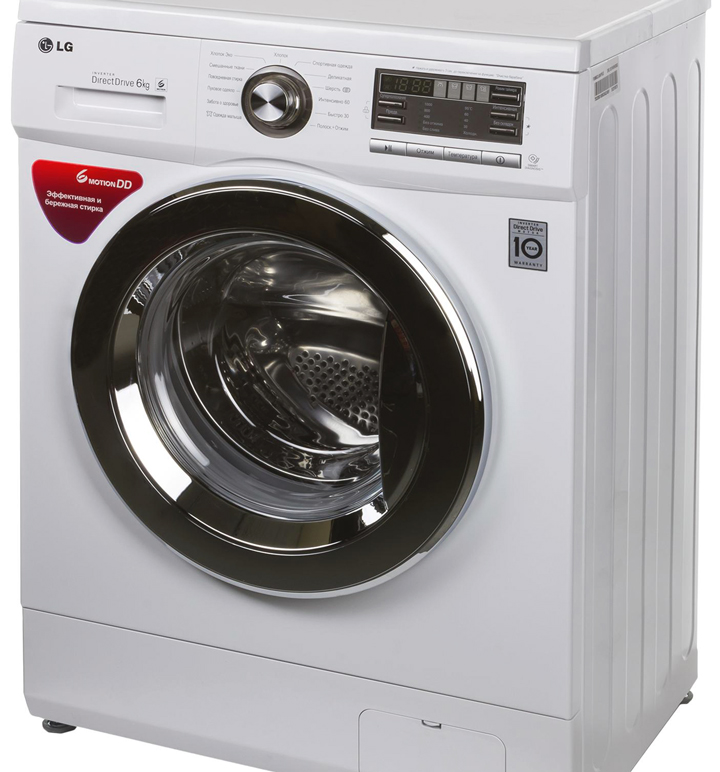
 Not every buyer knows the structure of an automatic washing machine pump and its operating features, but no one knows that the pump is considered one of the most fundamental and important elements of the entire washing machine design.
We'll help you understand what these pumps are made of, their different types, and differences in performance and maintenance.
The operating principle of a washing machine pump and pump
 To date, all existing washing machines The automatic type water flows in automatically, that is, under pressure from the tap to which the structure is connected.
When the owner selects a specific command from the machine's programs, a special magnetic valve that lets water through opens to allow the required amount of water into the drum.
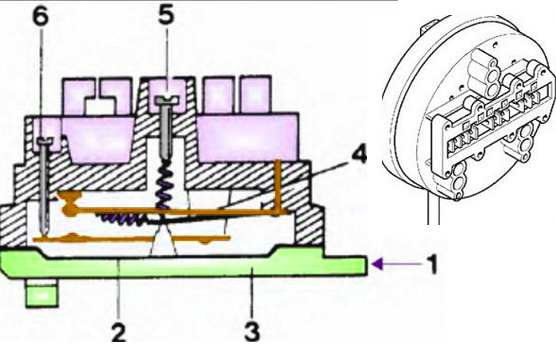
The water level in the drum is controlled by a special sensor called pressure switch.
 As soon as the water enters the washing machine, it passes through all the patches with detergents, mixes along the way, and then enters the drum, where the water will remain during the entire washing process.
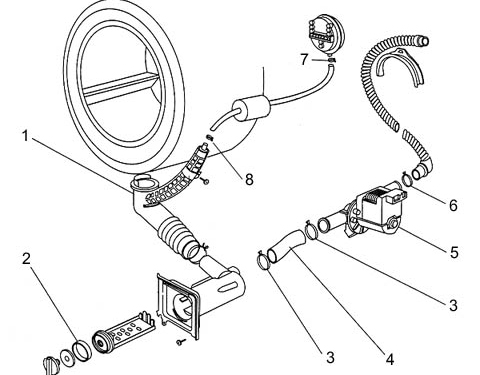
After the wash is finished, all this used water enters the pump through a special hose.
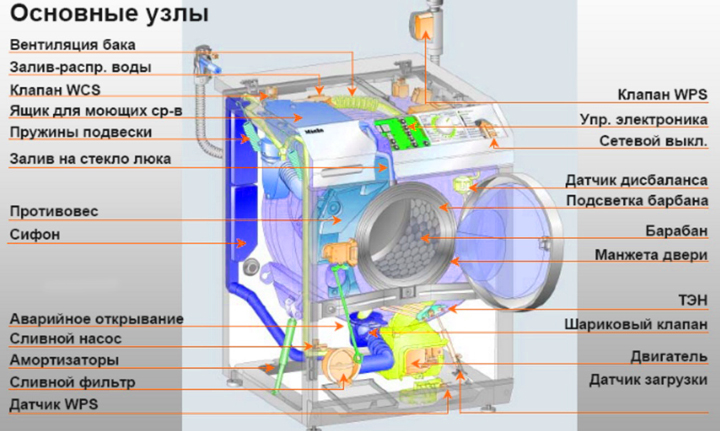 Pump When paired with a pump, it begins pumping used water from the drum into the drain hole through the drain hose. This process begins after a special signal from the washing machine system and will continue until the water completely disappears from the tank.
Exactly the same process will occur in the rinse mode, however, without various detergents and conditioners. Spin mode occurs with the same participation of the pump and the pump.
Pump device
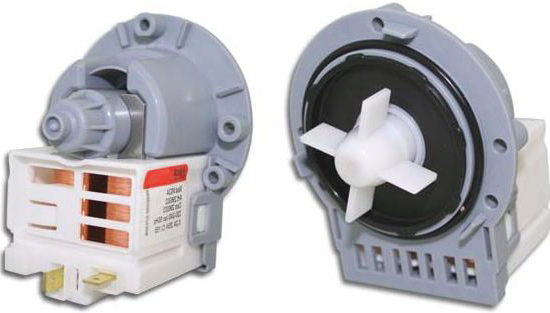
The washing machine pump is a low-power asynchronous motor equipped with a magnetic rotor and a rotation speed of about 3000 rpm.
Pumps (drain) can differ from each other in appearance ("snail"), as well as in the integrated filters that stop various debris and small objects in dirty water.
Modern high-cost washing machines have only two types of pumps:
- Drain;
- Circular;
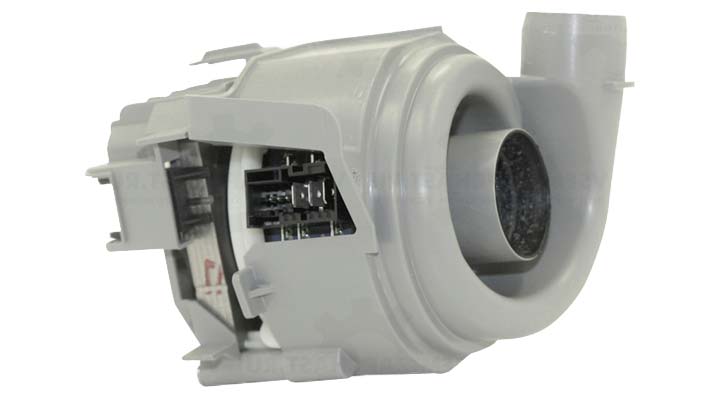
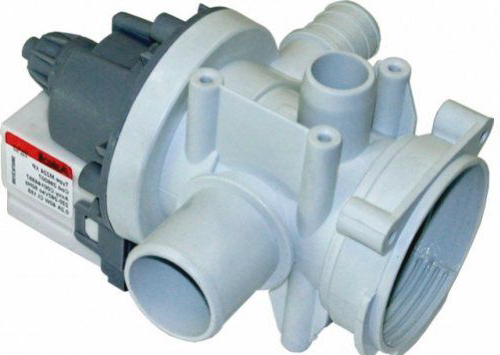 Drain pumps pump out dirty water after the wash cycle is complete, while circulation pumps circulate water during the wash and rinse cycles. Other, less expensive machines only have drain pumps.
In its design, the rotor of the pump (drain) is somewhat similar to a magnet of cylindrical design.
The blades (which are fixed to the rotor axis) are turned at an angle of 180 degrees to it.
When the flushing device starts, the rotor starts spinning first, followed by the blades. The motor core has two windings connected to each other. Their combined resistance is approximately 200 ohms.
If we're talking about low-power washing machines, their external outlet will always be located in the center of the machine. It has special non-return valves (rubber) that prevent water from entering the machine's drain tray from the drain pipe.
Under the pressure of liquid, the valve opens, and when the pressure from the water supply network stops, the valve immediately closes.
 Other drain pumps Other types allow liquid to pass through only in one predetermined direction.
In such designs, special sealing cuffs are used to prevent liquid from flowing freely. These cuffs prevent water from getting into bearingThe shaft (rotor) in such a device will pass through the main sleeve, which will be equipped with corrugations on both sides and a crimp made of a special spring ring.
Before installing the seal into the bushing, it is pre-treated with a special lubricant to create a thick layer of the lubricant on the seal's surface. This process increases the service life of the component.
Operating Rules
If you properly care for the pump of an automatic washing machine, its service life will last on average about 10 years.
To ensure that this period does not decrease, you must:
 Provide the machine with clean water (it is necessary to check the pockets of your clothes before washing for foreign objects and remove them, it is also better to remove pieces of dried dirt before placing the item in the drum);
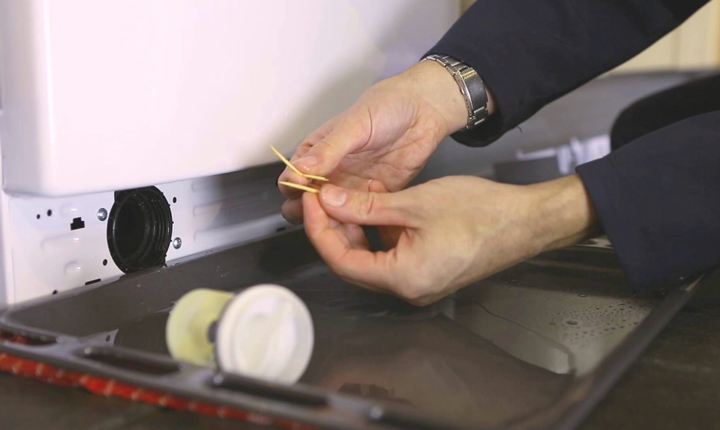
- Monitor the performance and serviceability filters;
- Prevent scale build-up (use special products for this purpose);
- Completely empty the drum of water at the end of the washing process (wait until the water has disappeared from the tank to 100%).
If a pump breaks, no one ever repairs it; a new one is purchased. This is the responsibility of a technician, not the owner, but a specialist called in from the center.



 Roman, can you tell me what the tube between the pump inlet and outlet is for? I'm really confused.