
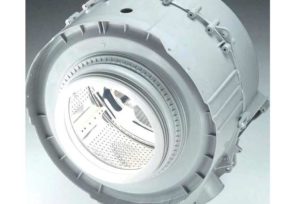
 You've probably heard the term "Polinox." It's often mentioned by washing machine salespeople. What is this material? And why is Polynox needed in a washing machine?
We'll figure it out.
What is Polynox?
Polynox isn't so much a new material as a more euphonious name for polypropylene with special chemical additives. It's used in the manufacture of washing machine tubs. Polynox tubs are quite popular for a number of reasons. Firstly, this material is inexpensive, which reduces the cost of washing machines. Secondly, it's relatively easy to process. Thirdly, Polynox tubs have superior properties to stainless steel tubs.
Note! Polynox is cheaper than stainless steel. Washing machines with tubs made from it are cheaper.
Polynox and other plastic options
Polynox is often used in Bosch washing machines. However, other manufacturers also use similar materials. The most popular alternative is Polyplex. It's resistant to rust, strong vibration, and other disadvantages of metals. However, it is still fragile compared to other plastic alternatives.
Electrolux makes its tanks from Carborane, a more durable but more expensive plastic, which is reflected in their price. Carborane is the company's own development. In addition to increasing strength, Electrolux ensured that their plastic does not absorb odors and has better thermal and sound insulation properties. Carborane is also resistant to harsh chemicals.
Candy prefers to use Silitek, which is essentially a complete analogue of Polinox with a few minor differences. It is resistant to both acidic and alkaline environments.
Pros and cons of Polynox tanks
In an effort to lower washing machine prices, manufacturers have begun producing plastic tanks. While consumers are pleased with the price reduction, they also have concerns about the durability and reliability of these tanks. Let's first look at the obvious advantages of plastic tanks:
- Plastic tanks are less prone to vibration during washing, which reduces the washing machine's noise level.
- Polynox tanks retain heat better, meaning the water doesn't need to be constantly reheated. This reduces the washing machine's energy consumption for heating water.

- Plastic is significantly lighter than metal, reducing the weight of the washing machine and making it easier to transport.
- Polynox is moisture-resistant and rust-resistant, increasing its lifespan.
- As mentioned above, Polynox is cheaper than stainless steel. Machines with plastic tanks are cheaper than their metal counterparts.
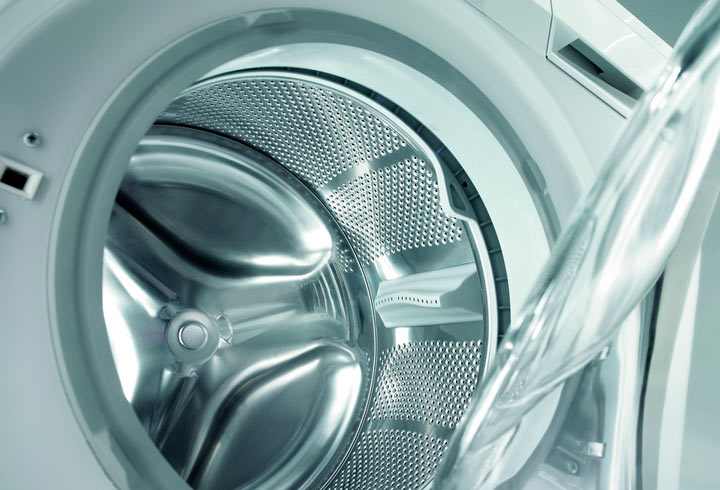
There are many advantages, but there are also disadvantages:
- Plastic is more easily damaged. So, while a stainless steel drum can withstand impacts from hard foreign objects dropped in along with your clothes during a wash cycle, a Polynox drum can crack under repeated impacts at high speeds.
Important! If your washing machine has a plastic drum, inspect your items carefully. Hard and sharp fittings can damage it!
- In addition, during independent repairs or coastal transportation, plastic tanks can also be damaged by impacts.
But manufacturers are aware of this drawback and are improving their plastic formulas. Modern washing machines increasingly use much more durable plastic than their recent predecessors.
Stainless steel tanks
Now that we've mentioned stainless steel tanks, let's look at their pros and cons. Stainless steel drums have long been a part of our everyday lives and have become commonplace.
We only know them from the positive side and don't even think about the downsides (we're so used to them). But first, let's look at the positives:
- Stainless steel is a very durable material. The washing machine's body is more likely to rust than its drum.
- Steel tanks are very durable and not easily damaged.
- Stainless steel tanks are resistant to high temperatures and cannot be damaged by aggressive chemicals.
- Microbes don't grow on metal as readily as on plastic, and mold and mildew don't grow on them.
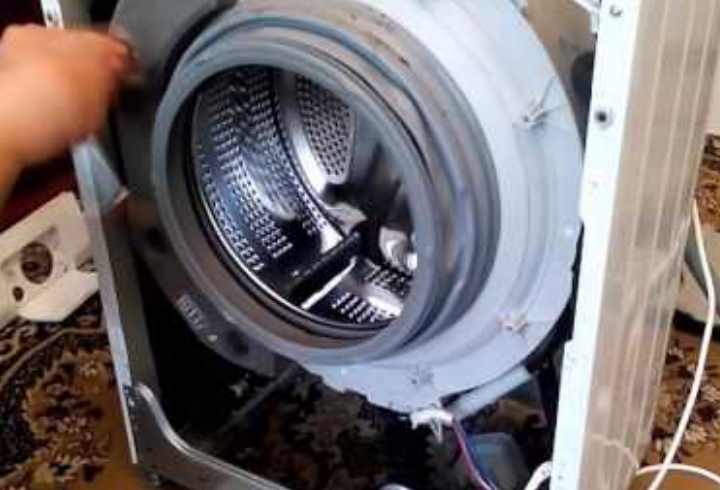
There are many advantages, but also disadvantages:
- High cost. Some might argue that there are inexpensive washing machines with stainless steel tubs. But the question is what kind of steel is used. If it's of poor quality, most of the advantages become irrelevant.
- Metal has a higher heat output. The water cools faster. The machine reheats it over and over again. Electricity bills rise, and the heating element wears out.
- Strong vibration during washing and spinning. Everyone knows how noisy and vibrating these types of washing machines can be during the spin and rinse cycles.
Note! Not all metal tanks are stainless steel. They may simply have a coating that will deteriorate over time.
- Over time, enamel tanks become chipped by hard clothing. Corrosion sets in. Rust and leaks follow.
Let's summarize. Washing machine tubs made of Polynox are a modern material option that you don't need to be afraid of. Every year, manufacturers improve its strength, and its drawbacks are becoming fewer. Not all plastic tubs have the same properties. When purchasing, inquire about the specific material and its pros and cons. Many manufacturers predict that it will soon replace stainless steel tubs. However, the choice is ultimately yours. We've listed the pros and cons of both options. Polynox or stainless steel? The decision is yours.


There's no need to think twice about it; stainless steel is a given. That's why we chose Indesit, and it works perfectly.
I have a HotPoint with a plastic drum, and it's such a quiet machine! I haven't noticed any downsides yet.