
 For many years now, manual labor has been becoming increasingly automated every year.
We haven't done our own laundry for a long time; the washing machine does it for us.
It has a lot of features and functions. But sometimes the equipment breaks down, and the washing machine stops mid-cycle.
It's unpleasant when this happens with a machine full of water and laundry.
If the car stopped…
Most appliance owners already know that rebooting the machine can quickly wake up their frozen machine and restart the washing process. But what if that doesn't work?
Many modern washing machines can alert owners to a problem by displaying an error code or flashing certain indicators. This is important information that will help them make the right decision.
But it happens that the washing machine washes and stops without any flashing or messages.
We need to understand why such situations occur and what to do?
Problems that can be easily solved
It often happens that your washing machine stops responding to anything, whether the cycle has finished or not. The machine simply freezes. The causes can be harmless, or they may require professional intervention. Let's look at some errors you can fix yourself.
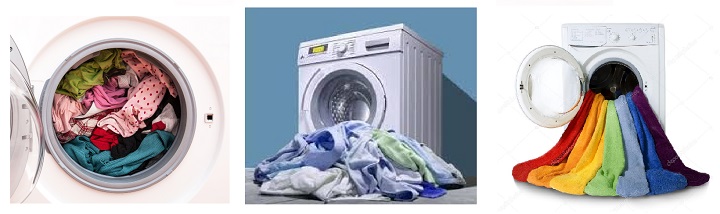
Overload
Many machines packed with electronics have a smart sensor that monitors the load capacity. This problem is very easy to solve. Simply remove the excess laundry and restart the wash cycle.
Error in the selected washing program
It happens that washing machine owners, without any intention, turn on the delicate wash mode, expecting the machine to rinse and spin the laundry.
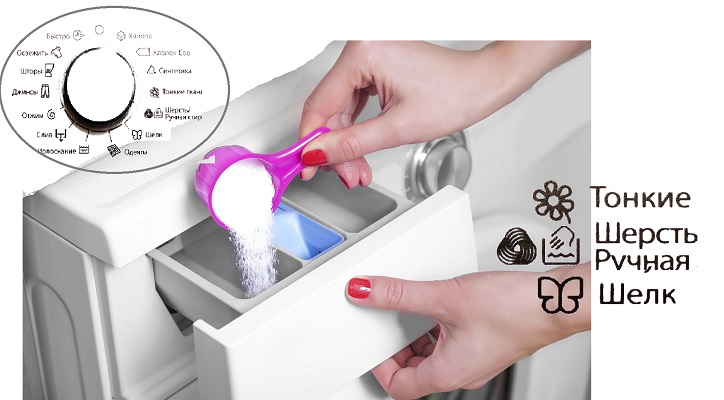 But this program does not imply such a function and there is no problem as such.
If the washing machine stops during the rinse cycle, you can force the water to drain by turning on the “drain” mode, and then use the “spin” program.
A similar story happens when the “Soak – Wash – Bleach” program is selected, because no washing machine will allow you to run soaking and bleaching at the same time.
The operating instructions contain a lot of information, including descriptions of programs and their features.
This booklet should be kept at hand to avoid such misunderstandings.
Imbalance
An imbalance in a washing machine occurs when the laundry gathers into one lump.
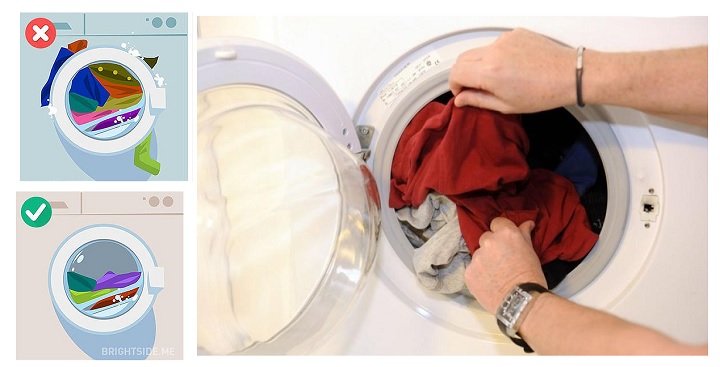 The imbalance sensor monitors and controls this situation. It detects unacceptable vibration and prevents overloading the machine's electric motor.
As soon as it's triggered, the washing machine stops, and many people are confused about what happened. Just now, everything was washing perfectly. But if you open the door and look inside the drum, the situation becomes clear.
The problem is solved by distributing the items to be washed throughout the drum. After this, the program starts again.
Problem with water supply
Sometimes, your washing machine stops during the wash cycle, or more specifically, during the rinse cycle. This happens when it can't fill with water. It's important to check what's going on with the machine; repairs may be needed, or perhaps the cold water supply has simply been turned off, causing your problem.
This is where the simple mistakes end.
Serious malfunctions
If a problem has arisen and the washing machine has stopped washing during the wash cycle, and you've already tried the above solutions without any results, the question arises: why does the washing machine stop during the wash cycle?
Most likely, serious reasons have arisen to stop work. These could include:
- failure of the hatch lock;
- malfunction in the drainage system;
- problem with the electric motor;
- the heating element does not work;
- The control module has failed.
To take any action, you need to understand what happened and who is to blame.
Trying it out isn't an option. A consultation and diagnostics from a specialist are essential, otherwise you might end up replacing the unit during a DIY repair.
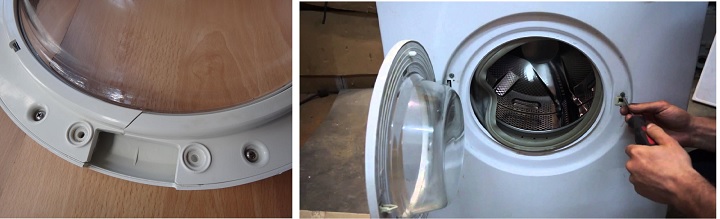
If the hatch lock is broken
The problem occurs when the door doesn't close tightly and touches the seal. This most often occurs with budget washing machines, as manufacturers tend to skimp on the seal.
Problem with the heating element
The machine can automatically change the wash program or cancel it entirely if there's a problem with the water heating or, conversely, overheating. In the first case, the water doesn't heat up due to a faulty heating element, while in the second, the thermistor is to blame.
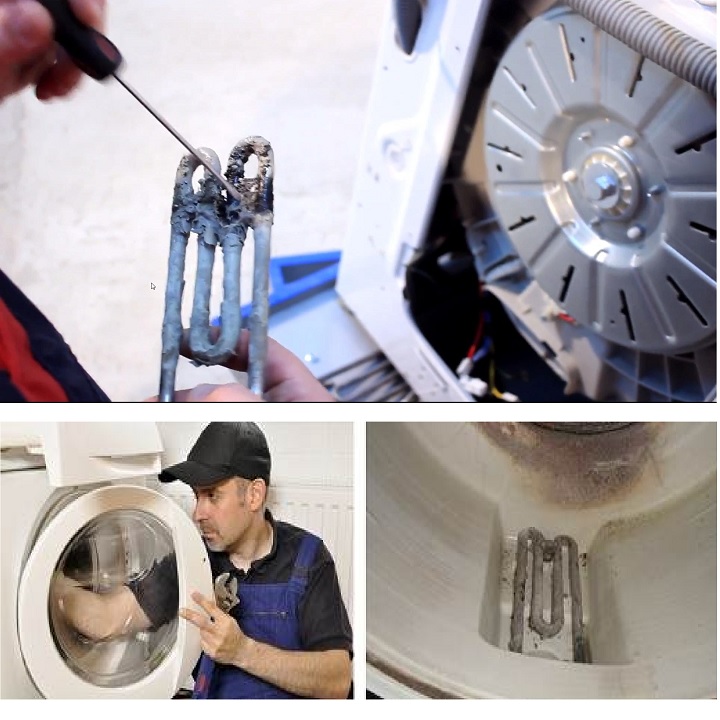 Sometimes the washing machine stops while it is running, but after a while it starts working again.
It's easy to check. The Quick Wash program takes about 30 minutes to complete the wash cycle. Other programs vary in time, depending on the water temperature and the presence of additional features.
If you notice that your machine is taking longer to charge than before, there may be problems with the plumbing, water pressure, etc.
The drainage system is clogged
The drainage system includes: a filter, a branch pipe, a drain hose, a pump, a drain hole and a sewer.
The simplest thing to do is check the filter and clear any blockages. If the drain hose is clogged, you can clear it yourself.
To do this, unscrew the clamps and disconnect the hose from the machine and the siphon. Then flush it with a strong stream of hot water. If a blockage is blocking this, use a wire to remove it from the hose.
Remember to bend the end of the wire to avoid damaging the hose.
Blockages in other parts are best left to a professional.


