
 If you think the smooth operation of your washing machine depends solely on its parts, installation, and assembly, you're mistaken. It also depends on proper transportation. Drum The drum is the most vulnerable part of the machine during transport. It is mounted on strong spring shock absorbers, allowing it to move around inside the washing machine almost unimpeded. During transport, the drum can accidentally damage the insides of the machine. To prevent this unfortunate situation, the washing machine is equipped with transport bolts.
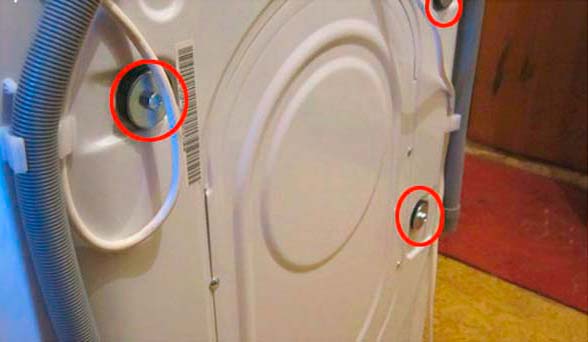 Anyone who has ever purchased a washing machine like this has likely encountered similar fasteners. The most important thing is to remember to remove them before using it. Otherwise, this could lead to damage to your brand-new washing machine. In this article, you'll learn why your washing machine requires transport bolts, how to properly transport this appliance, and how to remove them.
Fasteners. What are they used for?
Transport bolts secure the drum to the washing machine, making them essential when transporting the appliance.
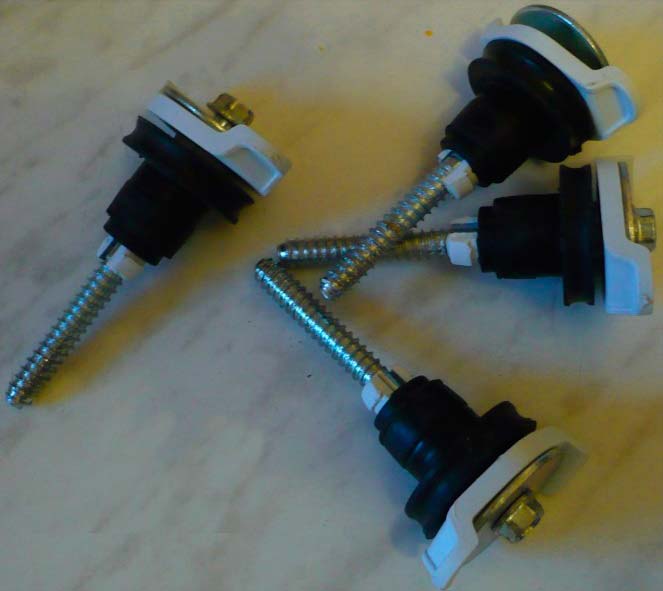 To minimize the risk during transportation, they are installed at the factory, and also at various angles during transportation, the internal parts do not come into contact with each other, because the bolts hold tank in one position.
Thanks to this, the shock absorbers and bearings also remain intact.
These are very important elements of the washing machine, as they reduce the amount of vibrations during washing and spinning.
How to remove shipping bolts from a washing machine
Important to know: you cannot use the washing machine until the mounting bolts are removed!
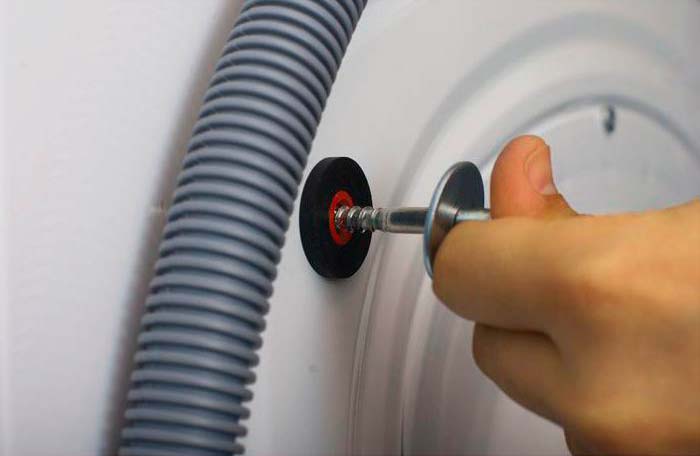 If this advice is ignored, the washing machine will eventually fail due to malfunctioning of the entire mechanism. Furthermore, no service center will repair or replace the appliance free of charge if the shipping bolts are the cause of the failure.
Manufacturers generally place transport bolts on the back wall of the washing machine.
Therefore, finding them is usually not difficult. Typically, there are no more than four of these bolts.
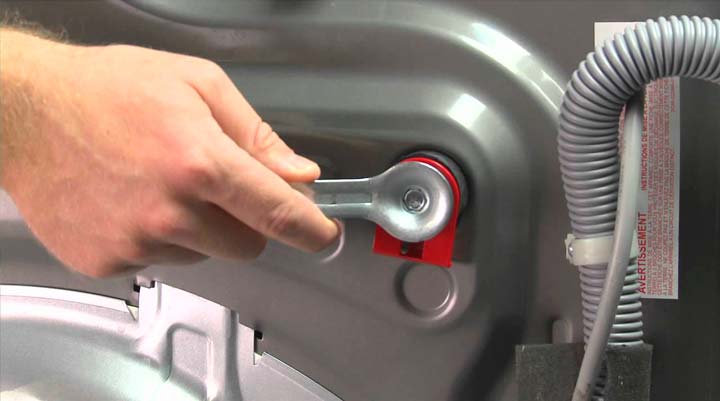 In some companies they look like small iron pins and can be located, for example, on the top wall.
So that we can begin operation of the washing machine, they just need to be unscrewed.
A universal wrench will work just fine for this.
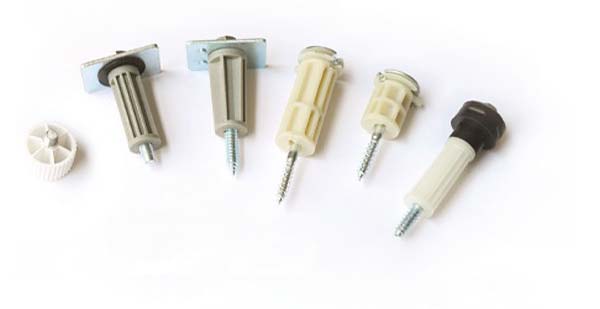 The required size typically ranges from ten to fourteen millimeters, depending on the brand. Some manufacturers (such as LG) include a suitable wrench for removing the mounting bolts, along with a drain hose and other standard washing machine parts.
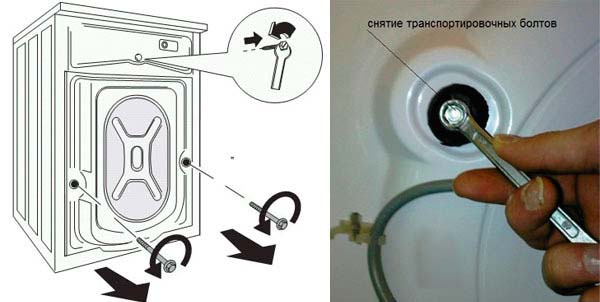 If you don't have a wrench at hand, you can try using pliersIf the manufacturer used metal pins for fastening, it's best to remove them with pliers. To remove the shipping bolts or pins, simply turn them a quarter turn and then pull them completely out of the device's housing by hand.
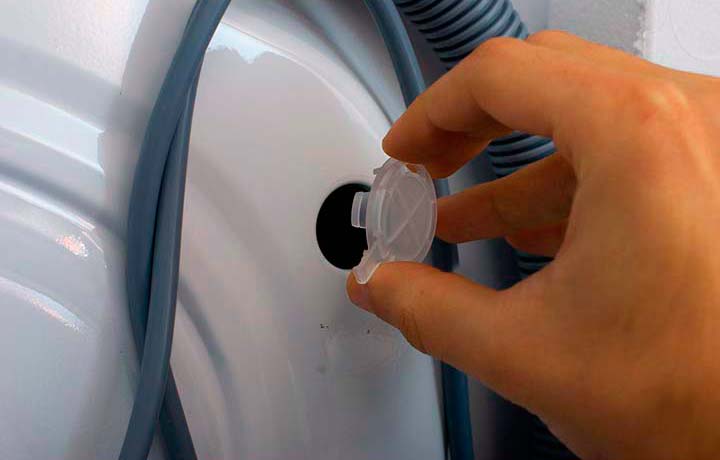
Almost all kits include small round plugs. These are used to cover the holes left by the mounting bolts. They're most likely just for aesthetics, but they may also help reduce vibration noise.
Tips for transporting a washing machine
Experience shows that you shouldn't throw away transport bolts immediately after removing them, as you never know what the future holds.
 You may need to change your living environment and move to a new home. At that point, you'll need to replace the shipping bolts to reduce the risk of damage during transit.
The decorative caps are easily removed with nail scissors or a regular knife. The mounting bolts can be screwed in without any foreign objects, so the entire procedure won't take long. This way, you can extend the life of your car and avoid worrying about its safety during transportation.
Conclusion
People have come up with many features to protect the device during transport and maintenance, the main ones being the transport bolts. They preserve the spring suspension system. Before turn on the machine for the first time They need to be taken out and, if necessary, put back.


This is a helpful article, because when we bought a HotPoint washing machine, we completely forgot to remove the mounting hardware. That's actually why the washing machine was making such an unnatural noise at first.