
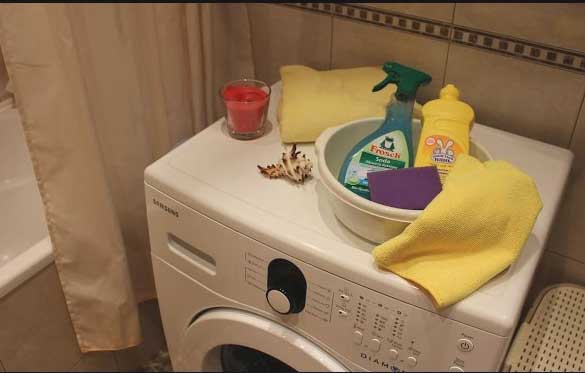
 In order to use your washing machine continuously, it needs maintenance. The components of the washing machine require constant cleaning, as mold, unpleasant smell, microorganisms don't exactly meet hygiene standards. There are a variety of cleaning products for washing machine parts, which we'll discuss in our article. We'll also explain which products are best suited for your specific machine.
Disinfection of washing machines from microorganisms
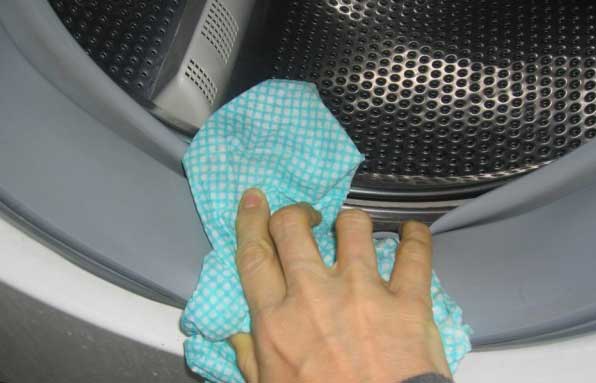 What is disinfection? Disinfection is a series of steps that eliminate various germs and parasites from an item. A washing machine is a perfect breeding ground for all kinds of microorganisms, especially in areas where water is present: the filter, tank, tray, and under the cuff. To avoid such problems, it's essential to disinfect regularly and in a timely manner. clean the unit.
Here is the order of actions that include the concept of disinfection:
- Removing various types of dirt and washing the external elements of the washing machine;
- Washing filters;
- Descaling;
- Cleaning from various types of odors and mold;
- Disinfection of the tank from microbes.
Cleaning products (for proper use)
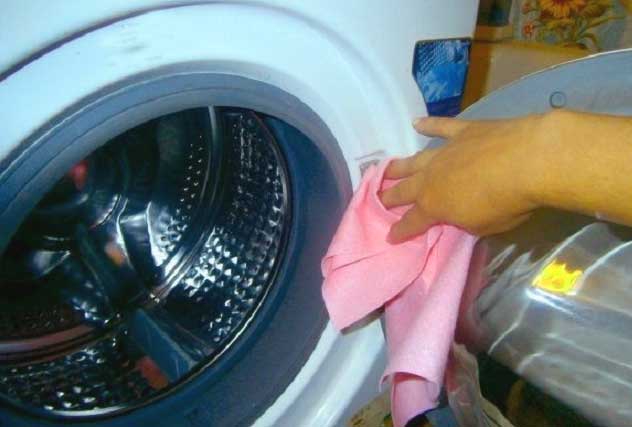 Cleaning and wiping the outside of your washing machine is a very simple task. Simply take a cloth (soft bristles are acceptable) and soak it in water diluted with dishwashing detergent.
Wipe the front panel and the loading door first. Then, wipe the entire structure with a dry cloth.
The loading door glass can be wiped with a glass cleaner, which you are probably already used to using.
The following products must not be used to clean the washing machine body: dry powders, abrasive substances, and products containing chlorine.
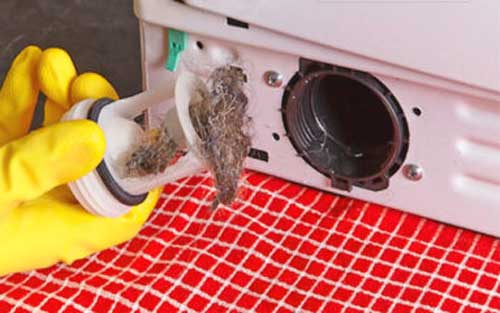 To prevent various unpleasant odors from appearing in the machine and to ensure that the drain is always operational, it is necessary to clean it regularly. drain filterIt is advisable to clean it once a month.
If you're unsure where the drain filter is, we can help: it's located under the bottom of the washing machine's front panel and unscrews counterclockwise. A small amount of water may leak from the filter hole, so be sure to have a shallow container and a cloth ready to collect the water.
The filter should be cleaned under running water with detergent. To disinfect drain filter, it would be better to rinse it in water with Domestos.
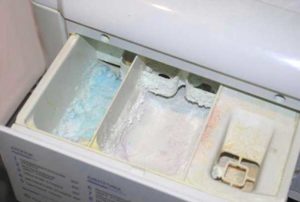
The detergent drawer also requires cleaning, as it can harbor bacteria and mold. To clean the drawer, remove it first. To do this, pull the latch toward you.
If your litter box is very dirty, it's best to first soak it in water with detergent for about 60-120 minutes, then scrub it with an old toothbrush. Your litter box may have a yellow coating (shown as limescale); this can be best removed with baking soda (baking soda and soda ash are acceptable).
Water with Domestos is also a very good way to wash and disinfect the box.
After each wash, the powder tray must be washed and then wiped with a dry cloth.
Don't forget to clean the hole where the tray sits, too. Powder can settle there, and mold can even develop. Any dirt can be washed with a sponge and detergent, then wiped dry with a cloth.
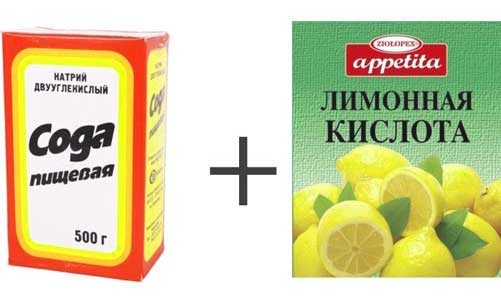 To get rid of unpleasant odors inside your washing machine, as well as various types of mold, you can use citric acid and baking soda. Baking soda can be used for cleaning. cuff and the drum.
To do this, take a soft sponge and apply slightly damp soda to it, and then simply clean the surface of the cuff and the inner drum with the sponge.
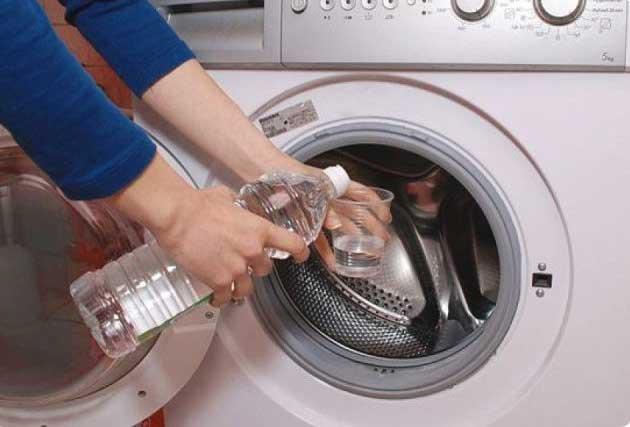 The cuff needs to be extended. After 30-60 minutes, clean the cuff and drum with a sponge, then rinse and dry everything thoroughly. Vinegar will help eliminate microorganisms and unpleasant odors.
There is one drawback to cleaning with acetic acid: the machine can retain its smell for a long time, and it can only be eradicated by rinsing with conditioner for a long period of time.
One of the most important steps is disinfecting the washing machine, or more precisely, its interior. Cleaning the inside of the washing machine means disinfecting it from fungi, various viruses (tuberculosis, hepatitis, influenza, and others), and infectious bacteria.
Disinfecting a washing machine from microorganisms and bacteria requires special solutions. Only chlorine or chlorine-based products can combat infections.
Most housewives have tried to disinfect their washing machines at home using Domestos, Bleach, ACE, and other similar products, claiming that after using these mixtures, the machine still worked and nothing happened to it.
But we recommend not to do this with your washing machine.
Chlorine should only be used in the most extreme cases, when you see real, existing signs of fungus, viruses, or infection.
In other simple cases, you can easily get rid of microorganisms using any other easy and, importantly, effective methods.
In this case, the disinfection of the washing machine will be carried out at the highest level and there will be no harm to either the device or you.
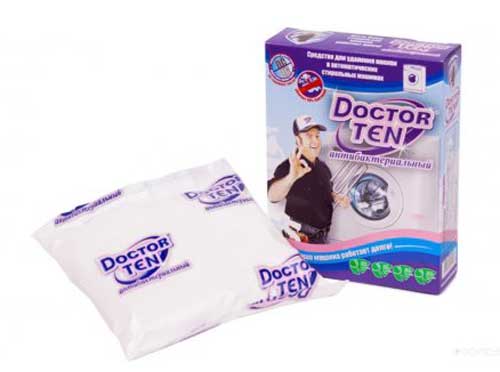 For example, acid-based bleaches (such as Vanish, Belle, Synergetic, and Velvet) have disinfecting properties. This means that even a regular wash cycle with these products can not only clean your clothes but also disinfect them and the inside of your machine. We recommend using the following special laundry detergents to help remove limescale, mold, and various bacteria:
- Doctor Tan Antibacterial;
- Dr. Beckman;
- Disinfection agent from Korean manufacturer SANDOKKAEBI.
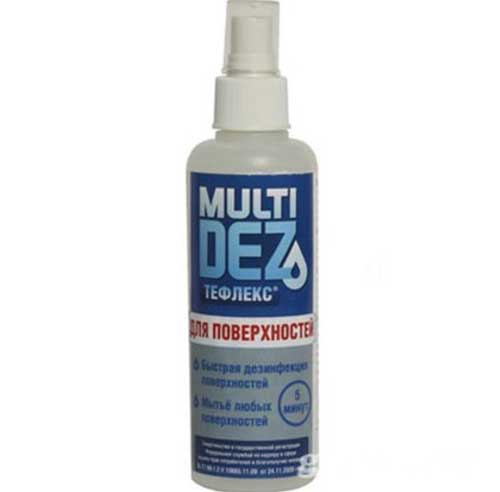 To disinfect the structure, you can run the washing process using cotton kitchen towels, after pouring 100 milliliters of Multidez-Teflex (disinfectant) into the detergent drawer.
This product destroys bacteria that carry tuberculosis, HIV, hepatitis B, adenovirus, and polio.
The product is safe and does not cause allergic reactions.
Disinfection during washing
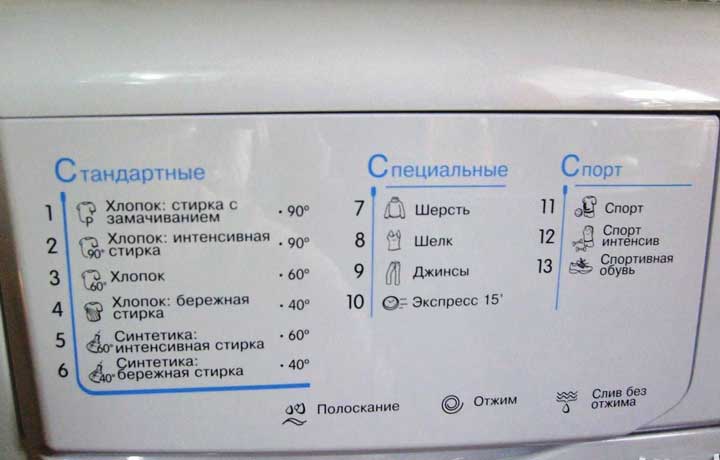 In general, disinfecting a washing machine at home can be accomplished not only with chemicals but also during the washing process itself. Some microorganisms and various bacteria can be killed by high water temperatures, typically above 60 degrees Celsius.
For example, in order to get rid of dust mites or other various microbes, it is possible to run a washing program with the “Cotton 60” or “Synthetics 60” mode.
Whirlpool washing machines feature a special "Antibacterial" mode, which heats water up to 80 degrees Celsius and maintains this temperature for fifteen minutes or more.
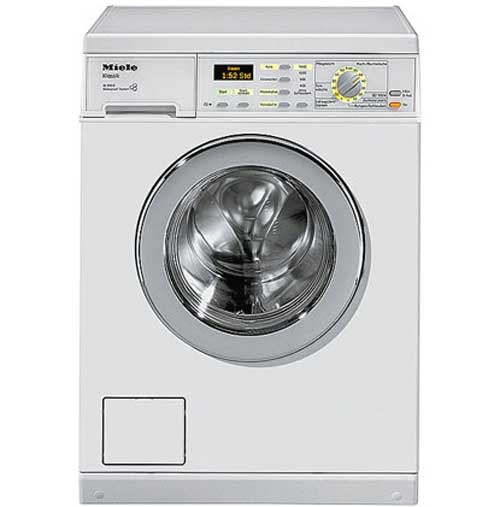 Miele machines feature a "Hygiene Cotton" setting, which maintains a temperature of 60 degrees Celsius for approximately 60 minutes. A "Boil" setting is also available to disinfect the inside of the washing machine, which can kill dysentery bacteria.
You can also get rid of various types of bacteria and microorganisms by turning on the steam function. Machines from Daewoo, Whirlpool, and LG are equipped with this feature. This function is capable of killing microorganisms and bacteria with silver ions.
This disinfection technology can also be used in washing machines from Daewoo and Samsung.
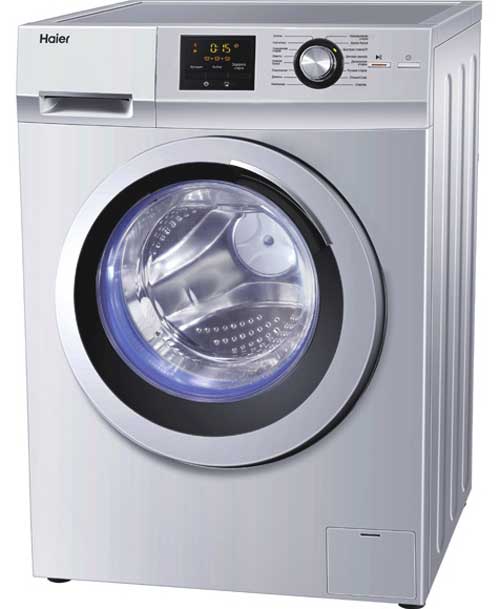 The new Haier WASH20B automatic washing machine is a new addition to the wide range of household appliances. During the washing process, electrolysis occurs in this machine. Electrolysis is the breakdown of water into cations and ions. Cations are capable of killing germs and various bacteria at normal temperatures, without the use of chemicals.
As you already understand, partial disinfection of the washing machine is possible even during the wash cycle. For complete disinfection, it is necessary to wash all removable parts until they shine.filters, drain hose and powder tray), there is also the option to start the washing process with one of the special disinfectants.
Regular and timely maintenance will protect your washing machine from a variety of unpleasant odors, mold, microorganisms, viruses, and limescale.


Hello, Roman! Thanks for the site!
I have a question for you. How much larger is the washing machine's drum compared to its tank? It's a Zanussi ZWO 6105. I need to know the tank capacity to accurately calculate the disinfectant concentration and dwell time. We washed some contaminated items, and they gave us a disinfectant approved for use in laundries, restrooms, medical facilities, and other public places. But to use it in the machine without damaging the stainless steel, which is sensitive to chlorides, I need to know the volume of water the machine uses for rinsing. If you know, I'd be grateful. I tried measuring the drum, but it's not accurate.
Thanks in advance!