
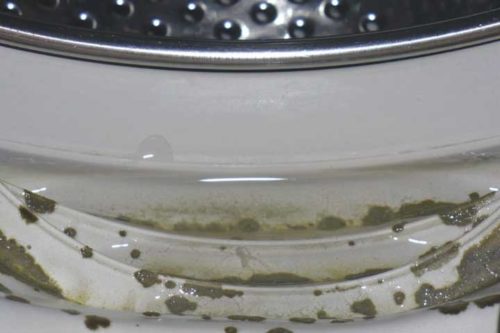
 This is a clear sign that mold has appeared in your washing machine. How can you remove the mold smell from your washing machine?
Household black mold is a type of fungus that can grow on all surfaces and spread rapidly. But if you don't want to deal with cleaning your home, consider our cleaning promotions and discounts.
How to get rid of mold in a washing machine
The main reasons for the appearance of this type of fungus are:
- Increased humidity in the room.
- Insufficient ventilation.
- Low lighting.
- Poor heating in the room.
- Accumulation of a large amount of household waste and dirty things.
- Rare cleaning with wet treatment.
- Clogged ventilation ducts.
- Leaky plumbing.
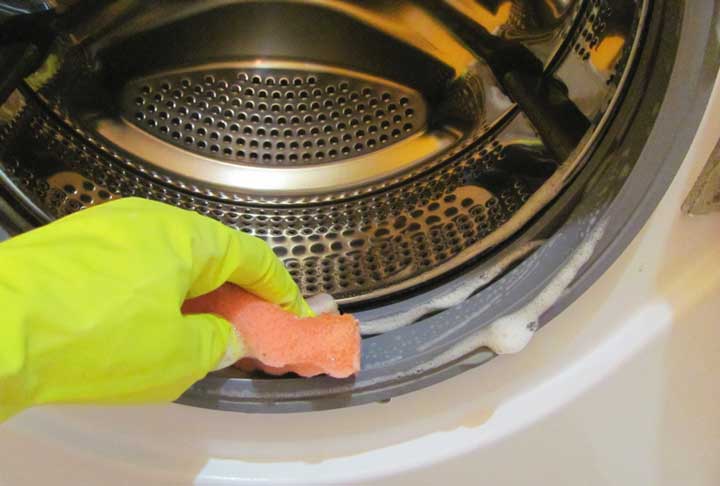 Getting rid of mold on a washing machine's rubber band is fairly easy and straightforward if the affected area is small and you catch the problem early. However, mold can sometimes infest the drum band almost unnoticed, and once detected, the results are devastating. Keep in mind that mold can also contaminate your laundry by easily spreading spores throughout your apartment, creating an unpleasant odor that may not be immediately noticeable.
You should be prepared for the fact that if you thoroughly clean the infected surface, you'll have to resort to more drastic measures, sometimes even replacing parts of your washing machine. If the mycelium has become firmly established and spread over a large area, simple disinfection and treatment with fungicides won't be enough.
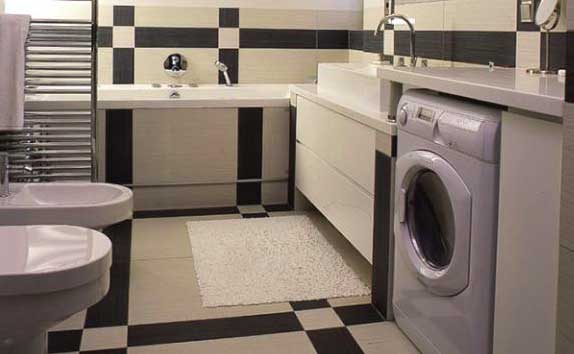 That's why, to protect yourself and your family from this harmful fungus and avoid such an unpleasant problem in the future, you should regularly take preventative measures and follow all the rules for caring for your household appliances.
In particular, behind the washing machine, which, due to the nature of its operation, contains a lot of water, which makes it more susceptible to mold than other appliances.
Your bathroom should be under special supervision and regularly cleaned, as this is the room in the house that is the least ventilated, accumulates a large amount of moisture, and lacks proper lighting.
TOP 5 places where mold appears
The very first rule in the fight against mold is a general analysis for the presence of other formations and the extent of damage.
Check the following parts of your washing machine:
 A rubber seal located near the door of the machine.
- Dispenser container for powder and rinse aid.
- Water-conducting hose.
- Water drain hose.
- Filter element.
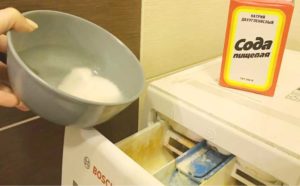
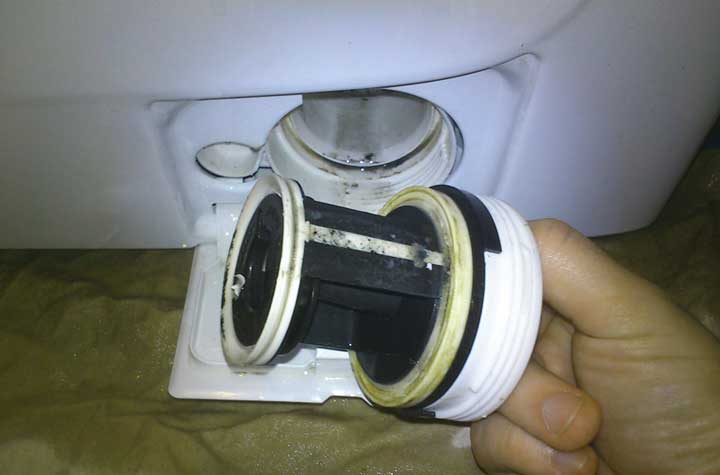 It's also worth checking parts that come into direct contact with water and are at risk of mold growth. This fungus easily adheres to almost any surface and can seriously damage some parts if not cleaned promptly.
Affected areas should be treated with household products containing fungicides, which are sold in large quantities in household chemical departments.
But remember that while these substances can remove such a treacherous fungus, they can easily harm your health, and if used improperly, they can cause you quite serious harm.
Causes of black mold in a washing machine
It's worth noting that mold can spread in the bathroom or other parts of your home due to increased humidity during the seasons when the fungus is especially active and ready to multiply.
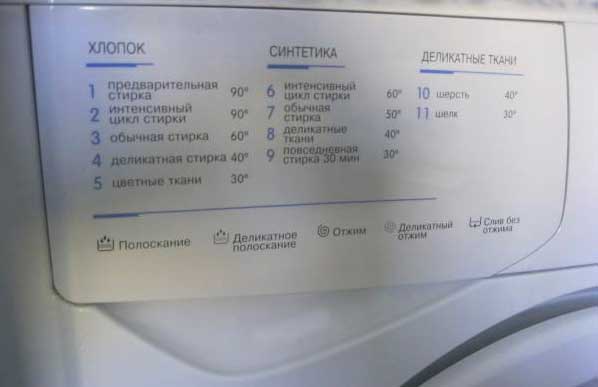
 But in a washing machine, the chances of occurrence increase if you use a quick wash at a temperature of 30-40 degrees Celsius and forget to remove the laundry from the drum of the device in time.
- Washing powders and fabric softeners also play an important role. Cheap powders with low bleach content do little to remove mold from the machine, but rather encourage its spread.
 Washing at low temperatures doesn't kill mold. In fact, mold thrives at temperatures as high as 60 degrees Celsius.
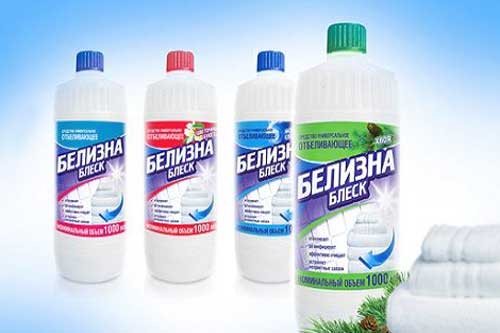
- Bleach can not only clean your clothes but also kill mold in your washing machine. However, if you use cheap bleach or don't use it at all, disinfection fails, and bacteria remains in your machine.
 Laundry left in the washing machine is a perfect breeding ground for mildew. Therefore, be extremely careful and remove items promptly, then leave the drum open to dry and wipe hard-to-reach areas with a dry cloth or sponge.

Preventative measures to ensure that you never get fungus again
Anyone who has ever encountered this problem knows that it is better not to fight the problem once it has arisen, but to prevent it from occurring.
If you've just purchased your washing machine and want to know how to prevent mold and mildew if needed, follow these instructions:
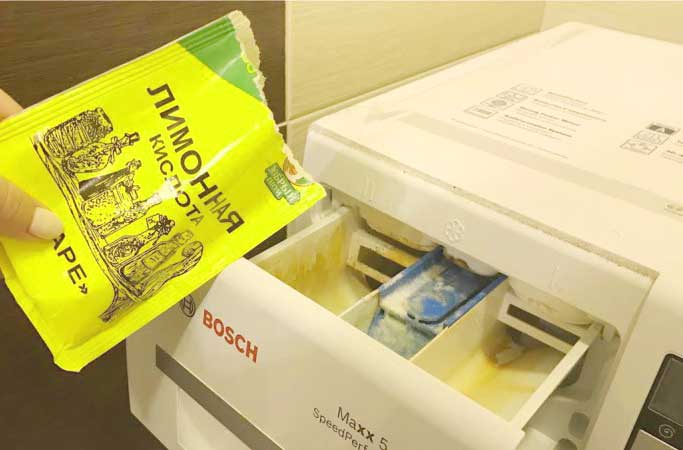
- Mold doesn't tolerate acid well. To combat this, you can clean the drum, drum seal, and hoses with a solution of chlorine bleach or slightly diluted citric acid.
- Mold also can't thrive at high temperatures. Therefore, after cleaning the drum, run a wash at 90 degrees Celsius (194 degrees Fahrenheit) to completely remove the mold or just the beginnings. You can also add a little bleach or vinegar solution to the detergent dispenser.
- As a preventative measure, cleaning the drum and parts with hydrogen peroxide or acetic acid is excellent.
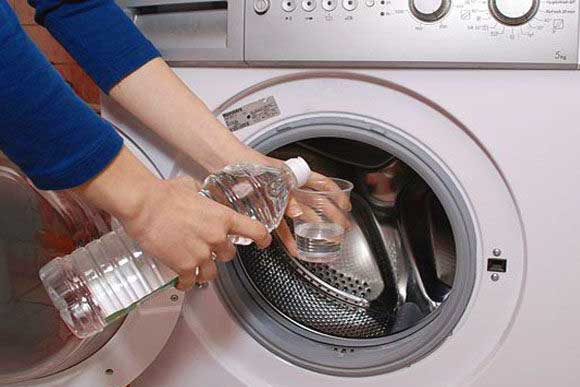
But it's also important to remember that these strong chemicals can be harmful to household appliances, so be sure to read the instructions and be careful not to lose your precious household helper. This will help protect your washing machine from mold.
If you've already found the answers to all your questions in our article and want to continue protecting your equipment in the future, follow these guidelines:
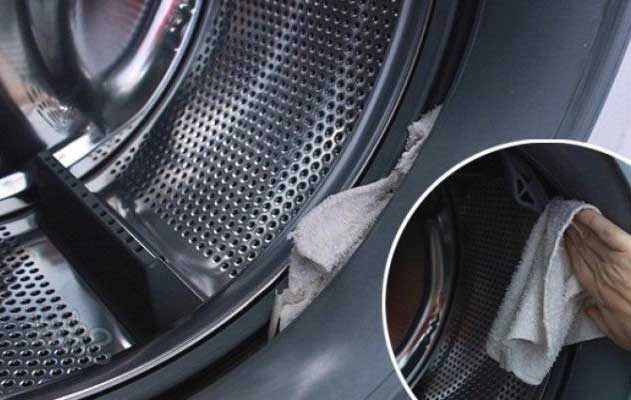
 Always remember to wipe the drum dry after you have finished washing, and also wipe the rubber seal and hoses.
- Dry the tray for powders and gels.
- Do not leave damp, freshly washed laundry in the drum for more than an hour.
- Try to regularly arrange a "hot day" once a month: this is a wash at high temperatures with the addition of mold-fighting agents and high-quality washing powder or gel to the drum.
 Every six months, thoroughly clean the entire washing machine with vinegar or citric acid. These acidic treatments will remove accumulated dirt and bacteria, which, without proper cleaning, could cause mold and ruin the entire machine.
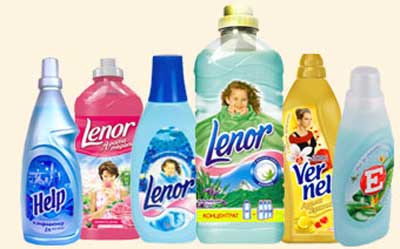
 Avoid using fabric softeners and conditioners frequently, as they promote the growth of harmful microorganisms inside the machine and are almost impossible to remove completely.
- Remember that mold affects not only the rubber seal in the drum, but also the hoses and filter element. Because of this serious threat, make it a rule to clean not only the rubber seal but also other components with special chemicals every two to three months.
How to get rid of mildew smell in your washing machine
It often happens that even after a thorough cleaning of the machine, this unpleasant smell still appears, which spoils the mood of the entire household.
To avoid this, please note the following:
 After cleaning with bleach or citric acid, be aware that there may be some dirt left on the rubber that you didn't notice and that could be causing an unpleasant odor. To resolve this, run the garment through an empty wash cycle using the same vinegar or other cleaning solution.
- An unpleasant odor may be caused by a clogged hose. In this case, you should either thoroughly clean the hose or buy a new one.
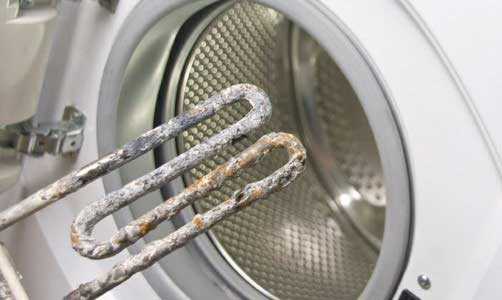
- The heating element can also be the cause of a musty odor, leading to the eternal question "how to remove moldy odor?" Experts in this field can help you understand this issue and advise you on whether the part needs to be replaced or whether it can be cleaned somehow.

 As you can see, regular cleaning of your washing machine and following a few simple rules will be an excellent foundation for preventing mold growth in your appliance and avoiding the problem of cleaning it.
In addition to regular cleaning, remember that your washing machine isn't the only place where mold can grow; all household appliances require proper care. Ventilate your rooms frequently, try to keep them warm and well-ventilated, and ventilate rooms where you have plants to prevent mold growth.


