
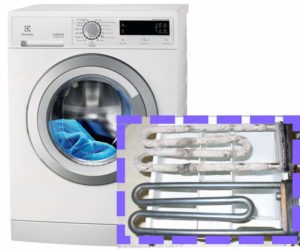
 A washing machine, like other appliances, requires maintenance.
It tends to wear out, and only proper use protects it from hard water and the effects of detergents.
Otherwise, this leads to unpleasant odors, scale and, as a consequence, to breakdown of machine parts. Let's figure out why and where this comes from.
- Reasons for washing machine contamination
- How to descale a washing machine?
- Antiscale
- Citric acid
- Cleaning procedure
- Vinegar
- How to clean a washing machine from odor?
- Fighting mold
- Application of bleach
- Uses of baking soda
- Uses of copper sulfate
- How to clean washing machine parts?
- Cleaning the rubber
- Cleaning the drain hose
- Cleaning the filter
Reasons for washing machine contamination
No one will argue that the water we wash with is not spring water.
This type of water contains a lot of iron and other chemical elements, which turn into scale when the temperature rises.
The problem can be solved by forcibly softening the water, for example by installing a filter.
How to descale a washing machine?
Scale is not dangerous for humans, but it is destructive for washing machines.
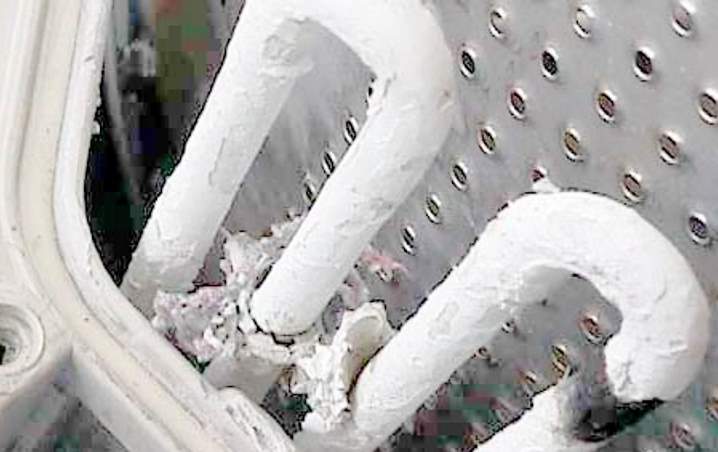
It envelops the heating element, which affects the heating of the water and leads to an increase in electricity costs.
In more complex cases, the heating element may fail and need to be replaced.
If left untreated, the situation will lead to failure of a more serious component—the software module. And, of course, limescale in the machine is a surefire companion for mold and mildew.
Antiscale
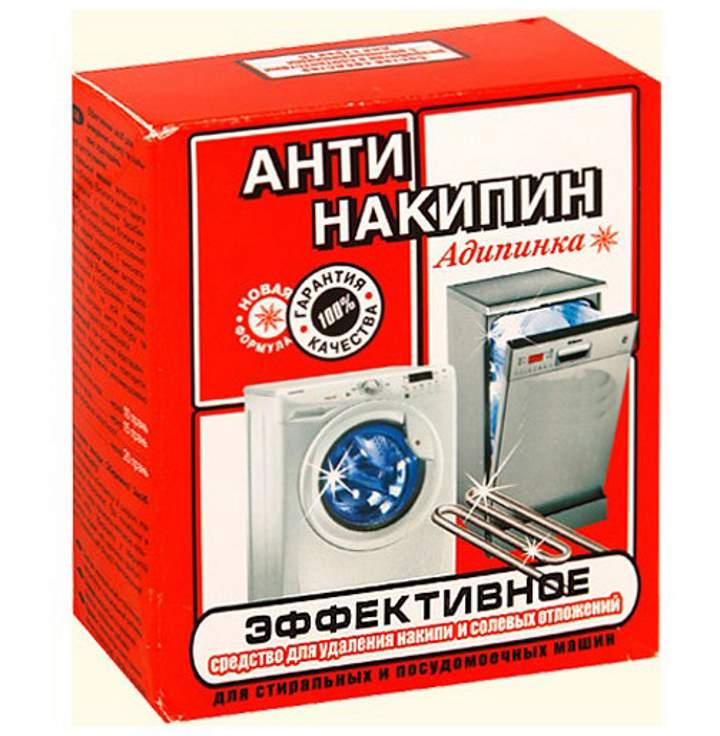 The simplest product that helps combat plaque is “Antinakipin”, which contains aggressive agents.
When decomposed in water, the resulting solution removes calcium and magnesium salts, which form scale.
Citric acid
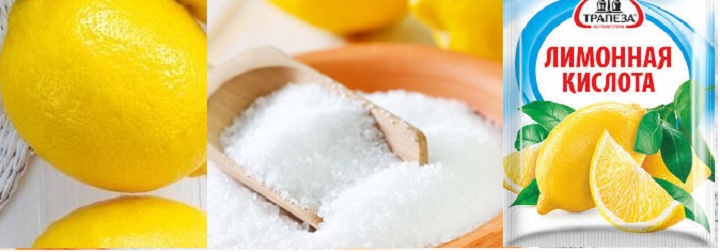
Those who are against chemicals can benefit from safe methods of control. These include lemon, which, if used quarterly or semi-annually, will prolong the life of your washing machine.
The big advantage of this method is that lemon and acid will not harm the seals and components of the equipment.
So how do you descale a washing machine using citric acid?
Cleaning procedure
To do this, simply pour 100 grams of lemon powder into the washing machine's tray and start a wash at 90 degrees. This will effectively remove limescale even after prolonged use without preventative maintenance.
If cleaning is carried out regularly, it is enough to use 60 grams of the product at a temperature of 60 degrees.
After the main program is complete, an additional rinse is required. And lo and behold! The machine is as good as new!
Vinegar
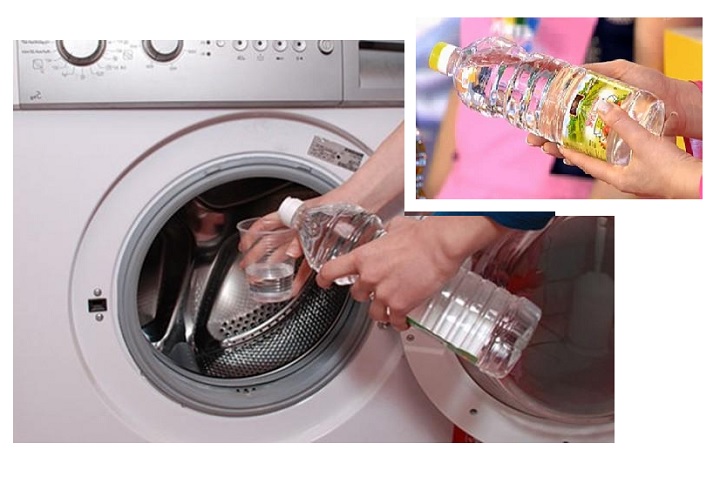
Vinegar can also help remove limescale. However, be aware that vinegar produces a strong odor in the washing machine.
It is very easy to use.
 Instead of detergents, pour in a glass of 9% vinegar.
- Washing is switched on at a temperature of 60 degrees.
- After the main cycle, an additional rinse is activated.
- To finish descaling, you need to clean the filter of any fallen pieces.
How to clean a washing machine from odor?
Where does the rotten or sour smell from the car come from?
This is commonplace – from low-quality and cheap detergents, which leave a thin layer of soap on the inner walls of the drum.
It is this soap layer that causes the growth of fungus and rotting.
The following steps will help solve the problem:
 wash with an empty drum at maximum temperature using automatic washing powder;
- preventive maintenance carried out every six months;
- After washing, always wipe the door dry and leave it open.
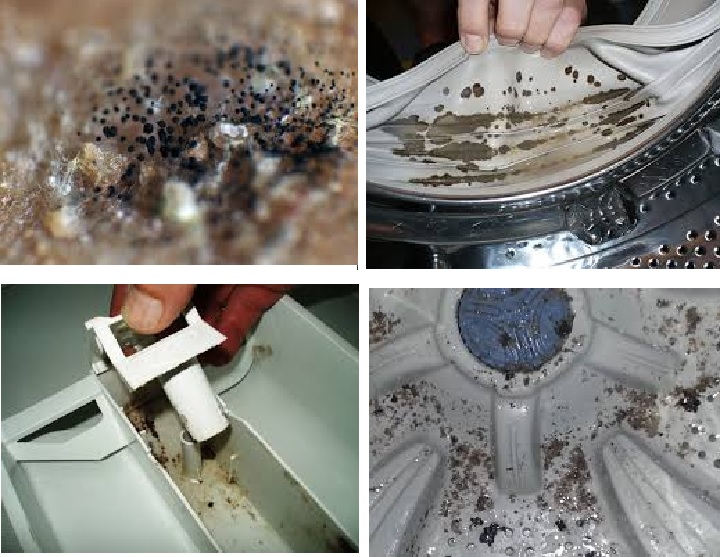
An unpleasant odor is also a characteristic sign of mold in a car. It can be harmful to the human body, so it needs to be removed.
Fighting mold
A common cause of this problem is overuse of the “gentle wash” cycle.
Mold grows in places such as:
- in the powder compartment,
- in the drain hose,
- behind the rubber band.
To get rid of it, simply wipe the parts with a brush and soap, followed by processing.
Application of bleach
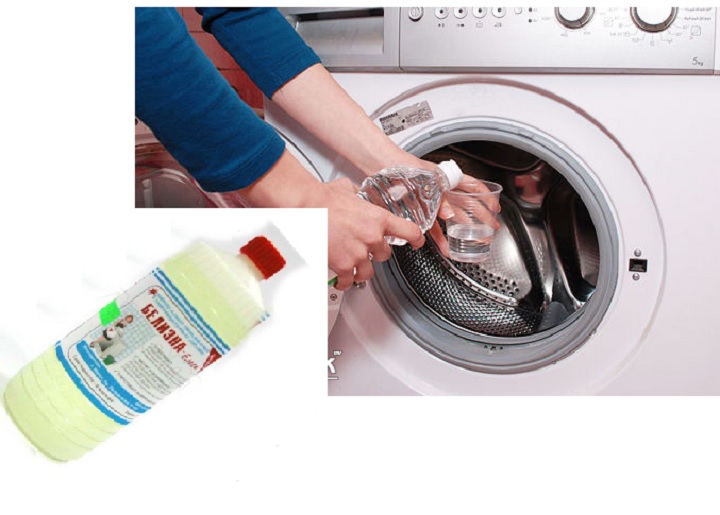
If you need to remove mold from the drum, then bleach will help.
The bleach cleaning procedure looks like this:
-
 Fill the tray with one liter of bleach.
 - Set the wash to 90 degrees.
- When the door heats up, stop the machine and pause the program for 1.5 hours.
- After 1.5 hours, resume work.
- Then you will need vinegar, which is poured into the conditioner compartment and start rinsing again.
Uses of baking soda
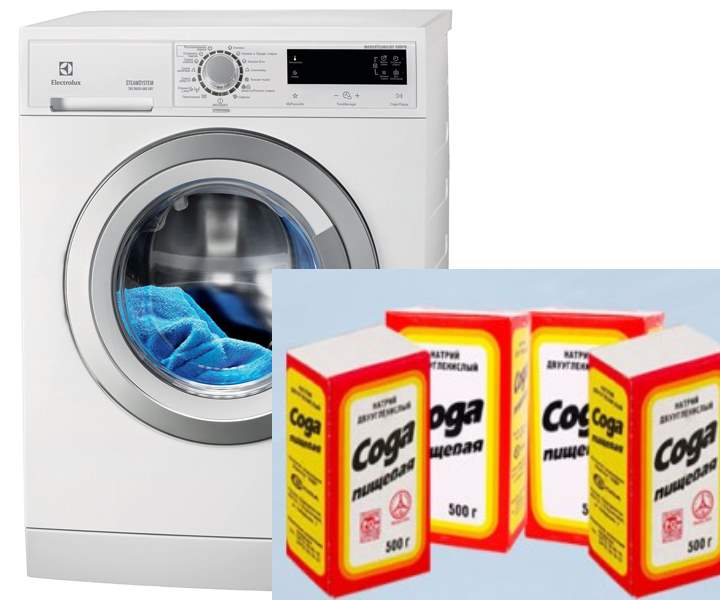
Sodium bicarbonate will help fight fungus.
This is the most common method, because cleaning a washing machine with soda does not require a lot of time and money.
 How to clean with baking soda?
- Let's prepare a solution. Mix baking soda and water in a 1:1 ratio.
- It is necessary to wipe all areas affected by fungus (drum, seals and other parts) with a cloth soaked in this solution.
- After treatment, it is sufficient to rinse additionally.
Uses of copper sulfate
You can get rid of mold using copper sulfate. It's considered an effective method, and was used by our grandmothers.
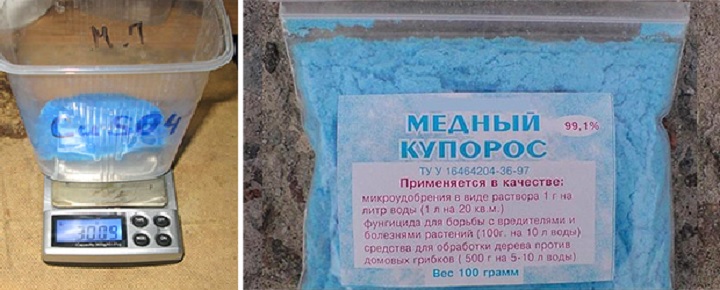
- Copper sulfate is taken in a proportion of 30 g per 1 liter of water.
- The entire interior surface of the car is wiped.
- The equipment must remain in this condition for a whole day.
- After which you need to start washing with regular powder.
How to clean washing machine parts?
Cleaning the rubber
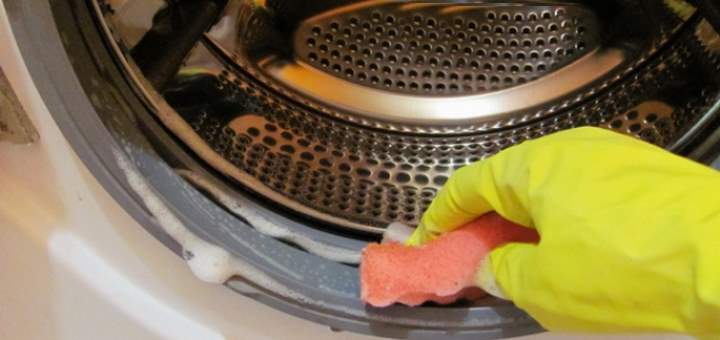
The seal is often susceptible to the accumulation of plaque and mold. To prevent this, simply follow the steps below.
 Remove any remaining water from the cuff.
- Do not close the door after washing.
- Use a cleaning agent periodically.
- Clean the tray after each wash.
Cleaning the drain hose
The drain may become clogged. This is caused by overdosing on detergent, which can cause soap scum to build up. Small items and hair can also get caught in the clog.
A simple way to clean is to use a descaler.
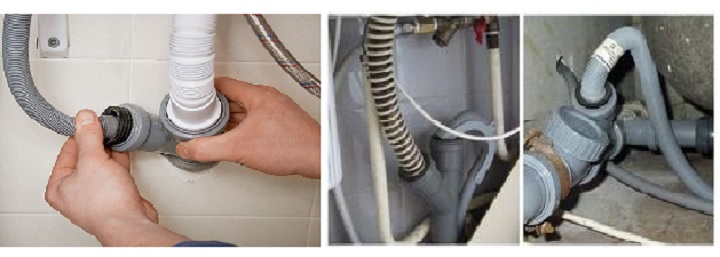
If this doesn't help, you need to remove the hose. To do this, you'll need to open the bottom of the appliance and use a Kevlar cable to clean the hose. Then, soak it in a vinegar solution for several minutes.
Cleaning the filter
The drain filter is located at the front of the machine, below a small door that opens when pressed.
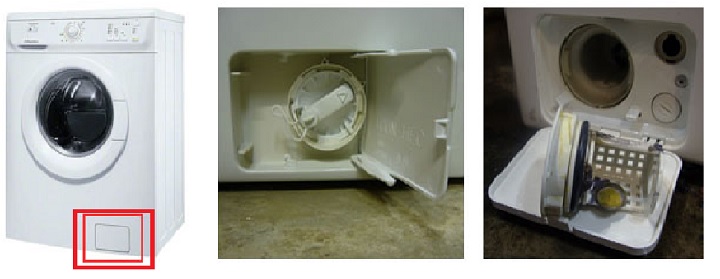
It has a handle that allows you to unscrew it counterclockwise. Keep in mind that water will leak out when you unscrew it, so you'll need a container or rags.
All that remains is to remove all debris from the filter, such as hair, wool, coins, jewelry, etc., rinse it under water and return it to its place.


