
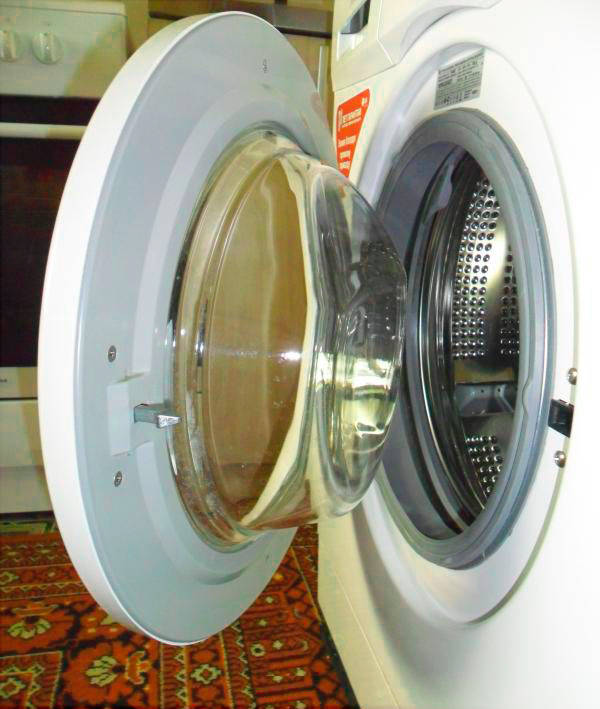
 Proper and timely cleaning of your washing machine will not only extend its lifespan but also improve the quality of your washing.
Manufacturers produce a wide range of cleaning products for washing machines such as these: liquid detergents, products for industrial or home use, and powdered cleaning products.
Depending on what type you have pollution, you choose your cleaning product.
Types of pollution
Let's talk about the challenges our home helper faces when serving her owners?
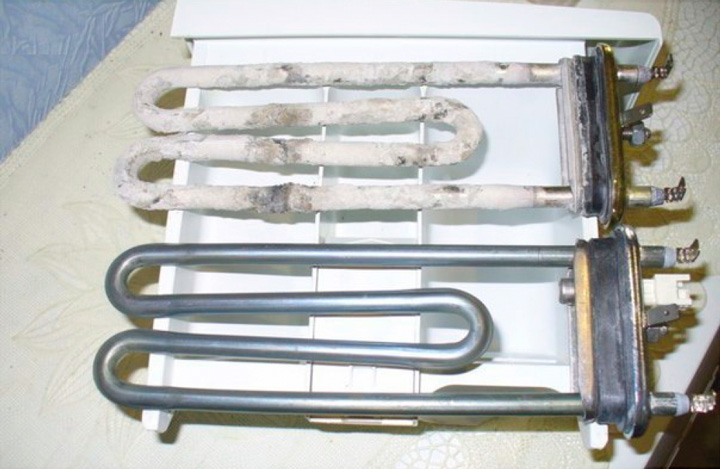
 Scale, The scale that constantly forms on the heating element gradually begins to hinder water heating and somewhat reduces efficiency. The scale layer significantly increases the time it takes to heat up the water, which leads to higher energy consumption. And if you don't clean it promptly heating element, then, after it becomes completely covered with plaque, it can lead to serious damage to your machine.
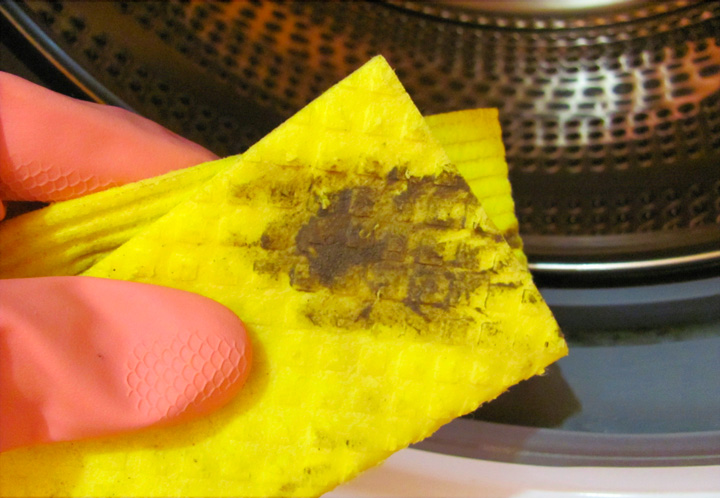
 Hair, dirt and dust, which easily fall into drum Machines, along with dirty laundry, cannot be completely washed with water and tend to settle on internal parts and hoses. If the machine is left in such conditions for a long time, it can accumulate a large amount of dirt, and if not cleaned, it will begin to emit unexpected and far from pleasant odors.
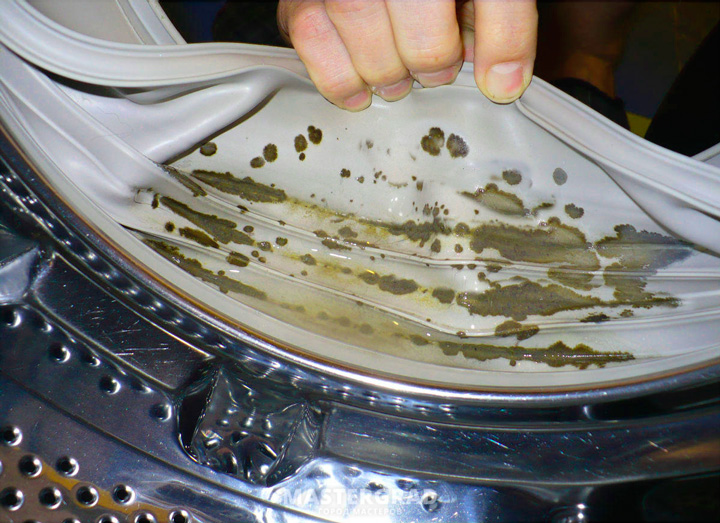
 Fungi and mold They simply love to infest washing machines. They're so warm and humid, which makes them ideal for breeding. If this has happened to your washing machine, it's likely to develop a specific and unpleasant smell. smellBut that's only half the problem, because if mold or its spores enter the human body, they can cause irreparable harm, predisposing you to the development of allergies. That's why we recommend not neglecting regular cleaning of your washing machine.
Steps to clean your washing machine
The process of cleaning the machine itself should be carried out in the following order:
 First, perform a mechanical cleaning to remove various buttons, dirt clumps, hair, and other foreign objects. To do this, clean thoroughly:
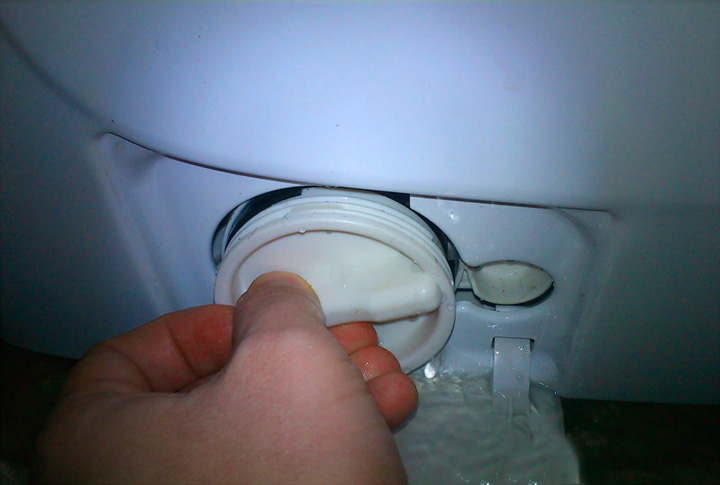
- Filter element.
- Drain hose.
 Rubber rim in front of the car door.
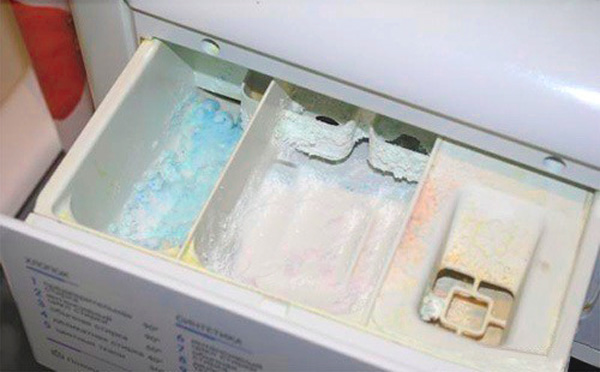
- Rinse the detergent drawer after removing it from the machine. It's best to do this with liquid detergent and under warm running water.
- Next, you can begin cleaning the hard-to-reach parts of our unit.
Cleaning products and all kinds of methods
Acid-based products are excellent at removing limescale from heating elements. Chlorine-based products have antibacterial properties and are effective at removing mold and mildew, as well as neutralizing unpleasant odors.
Industrial-grade drugs
Washing machine manufacturers often strongly recommend using products from reputable brands to clean their appliances. However, be extremely careful when choosing such products.
If the purchased product is highly concentrated, it may not help, but may actually harm the machine's internal parts. Therefore, read the instructions before use and be sure to follow the recommended dosage!
The best reviews were heard about the following laundry detergents:
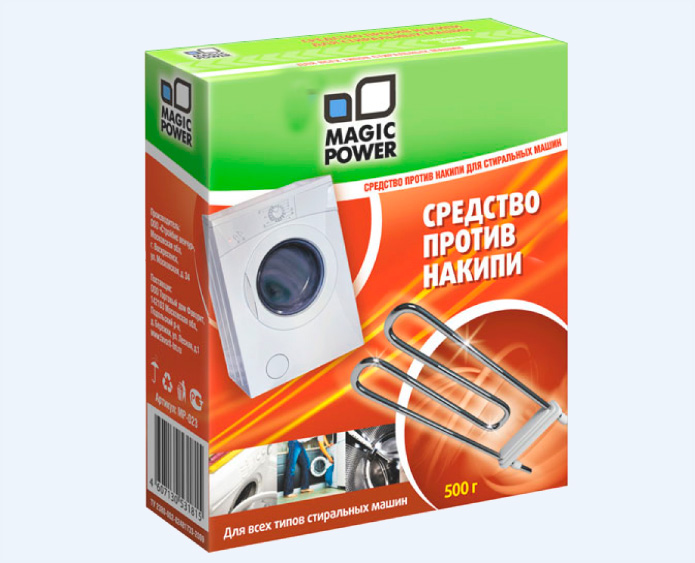
 "Magic Power" is a German-made product that is rightfully considered one of the most effective in removing scale from the heating element and drum.
- "Topper 3004" is a special preparation that was developed by the manufacturer of washing machines "Bosch" and "Miele", and which is recommended for use in cleaning the same equipment.
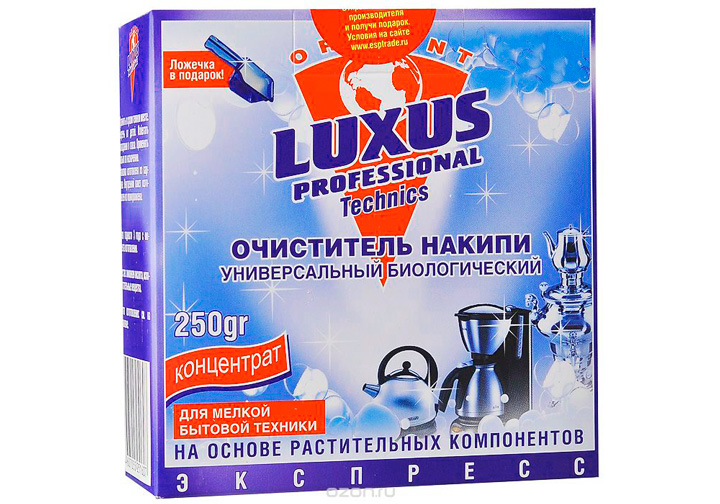
 "Luxus Professional" is a specialized, universal descaling product from a domestic manufacturer. It can be used not only for descaling the heating element in washing machines but also for other electrically heated equipment.
- "Work K8P" is a Korean product that is highly effective.
 "Antikipin Universal" – as the name suggests, this product from a domestic manufacturer is successfully used to remove scale from all electric heating elements.
- "Kaneyo" is a chlorine-based liquid detergent from a Japanese manufacturer. It effectively removes limescale, has a pronounced antibacterial effect, and eliminates all unpleasant odors.
- "Nagara" is also a Japanese product in tablet form that effectively removes dirt and almost 100% of germs and mold.
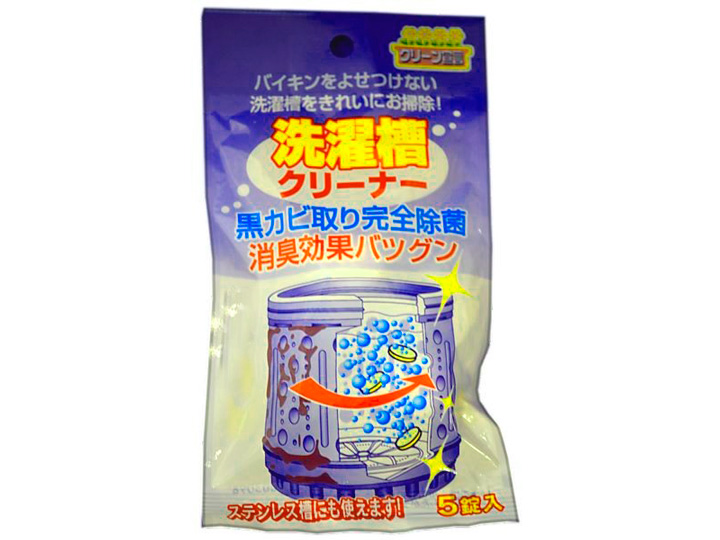
Folk remedies
Along with industrial cleaning products, there are also folk methods for cleaning your washing machine using:
- Citric acid.
- White vinegar.
- Baking soda.
Citric acid as an anti-scale agent
This miracle product has long been used by our housewives to remove limescale from washing machines. It's recommended to use it about every six months to prevent damage to the components.
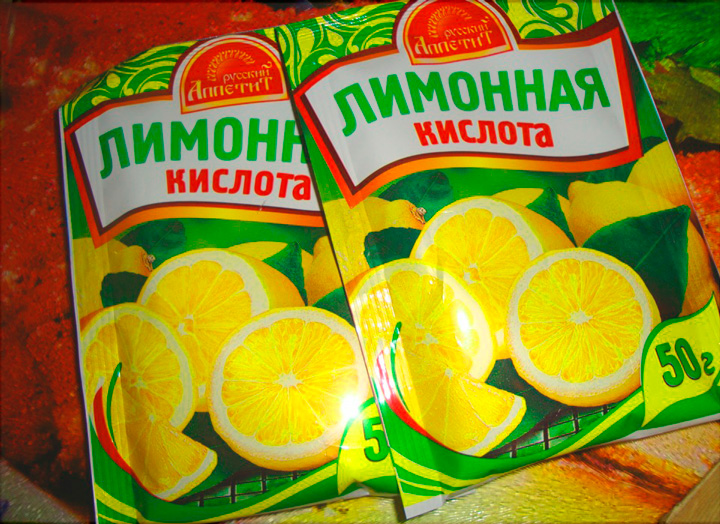 How to use:
- Take 100 grams of citric acid at a rate of 100 grams per 6 kilograms of laundry. Pour the measured powder into the detergent dispenser.
- Run an intensive wash at 80-90 degrees Celsius.
- After washing, turn on the rinse cycle.
- Be sure to clean the drain filter, as there may be pieces of scale remaining there.
White vinegar as a limescale remover
This is another economical option for cleaning the machine, which is very effective and will make your automatic machine the cleanest
How to use:
 Start your cleansing in the evening.
- Pour two cups of 9% vinegar into the washing machine drum.
- About halfway through your vinegar "wash" cycle, stop the machine and, to be on the safe side, unplug it from the power source.
- Let your solution interact with the accumulated salts overnight. The solution will break them down overnight.
- In the morning, plug in the machine to complete the wash cycle.
- Turn on the rinse cycle.
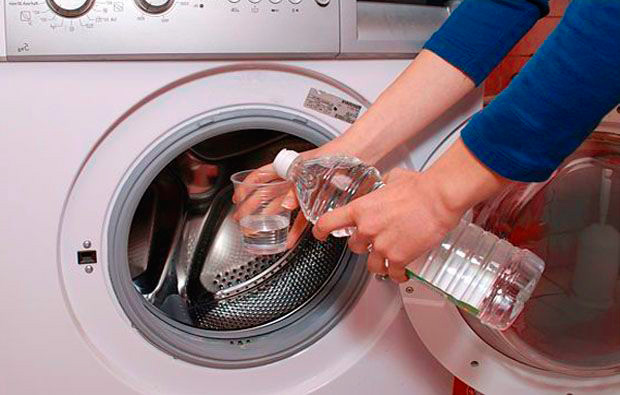
Clean the drain filter.
Bleach and baking soda as an active remedy against fungi and mold
Baking soda and regular bleach will help you clean your machine from such unpleasant things as fungus and mold.
These tools can be combined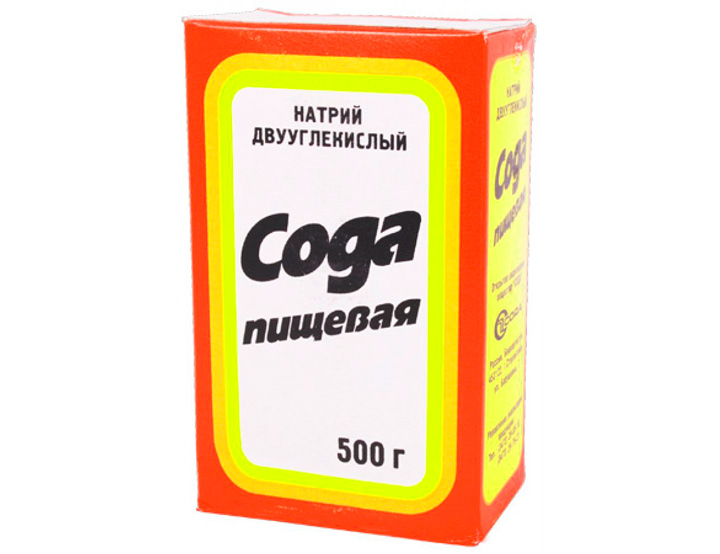 to put, but can also be used separately.
How to use:
- Prepare the following solution: dissolve 250 grams of soda in a glass of water.
- Wipe everything you can with it: the rubber seal, the drum, and the tray for powder and other detergents.
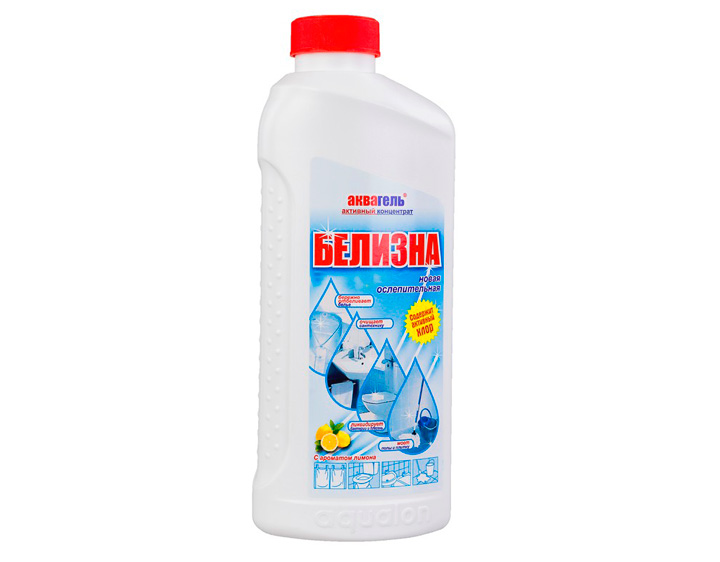 If mold has begun to spread throughout the entire machine, even in areas where you can't reach to disinfect the surface of the machine, you should use chlorine-containing bleach.
How to use:
- Pour 100 ml of bleach into the drum.
- Run the wash at 90 degrees Celsius.
Mold and fungal spores will die with this wash within 30 minutes.
All washing machine cleaning procedures are carried out WITHOUT LAUNDRY, in an empty machine with the required detergent.
Preventive measures
Following these preventative measures will significantly extend the life of your washing machine by protecting it from scale, fungus, and mold:
 After washing, thoroughly wipe the rubber seal located behind the machine door and leave it to air out.
- Rinse the detergent dispenser regularly under good running water.
- Use Antikipin to remove limescale. It's best to perform this wash cycle every six months.
- Run the machine occasionally on an empty wash cycle with disinfectant. To do this, mix a cup of bleach with a couple of cups of detergent or laundry detergent, and pour it into the drum on a 90-degree wash cycle.
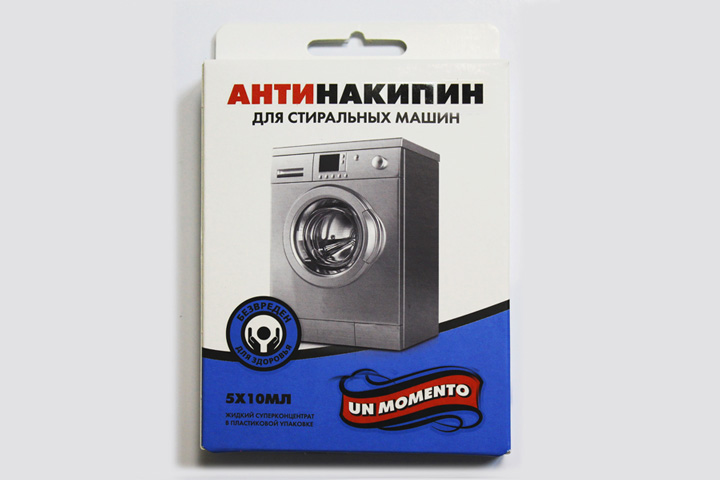
Such caring for your assistant It won't be a waste of time and your washing machine will last several times longer than promised.


Great ad: to destroy a washing machine, clean it with citric acid and vinegar. After a couple of years, the aluminum spider will fall off. It's also easily corroded by high-concentration acids and alkalis at high temperatures. Sprinkle more.