
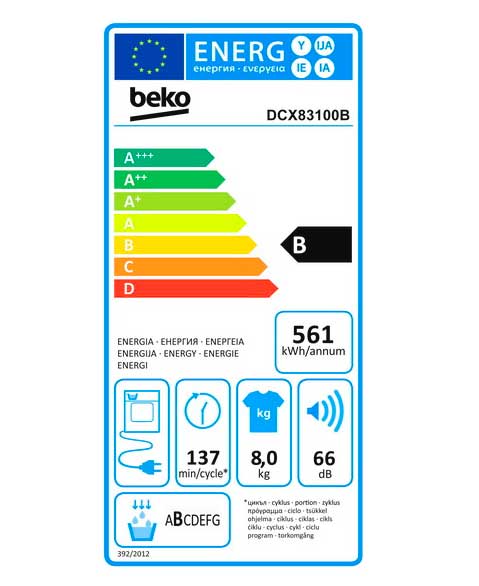
 Almost every model of different types of household appliances consumes a different amount of electricity.
All this depends on the purpose of the household appliance and the rated power of the device.
To find out the exact power consumption of your washing machine, you need to look at the label located on the back of the device.
This can be done by any user of such a device, since this parameter is usually indicated in kilowatt-hours. This determines which class of energy-efficient device your device belongs to. typewriter.
Classification of washing machines
Absolutely all household appliances are divided into classes based on their energy efficiency, designated by Latin letters ranging from A to G. These are also followed by a "+" sign, with the most energy-efficient option being "A++."
These symbols are usually found on special stickers on the body of your product. You can find a full description of the specifications, including the required energy efficiency, on the manufacturer's website. To determine the energy efficiency of a given device, a special study is conducted, after which the device is assigned a specific class.
 The most economical devices are considered to be class “A++"This is the minimum energy consumption, which reaches 0.15 kilowatt-hour per 1 kilogram.
- Less economical class "A+", it consumes just under 0.17 kilowatt-hours per kilogram.
- Class "A" is the middle class, which consumes energy in the range of 0.17 to 0.19 kilowatt-hours per kilogram of laundry.
- And here are the products with the letters “IN” will already consume from 0.19 to 0.23 kilowatt/hour for the same operation.
- Energy efficiency class “WITH” quite a high energy consumption level – from 0.23 to 0.27 kilowatt-hours per kilogram of washing.
- Washing machine with a letter D consume under the same conditions from 0.27 to 0.31 kilowatt/hour.
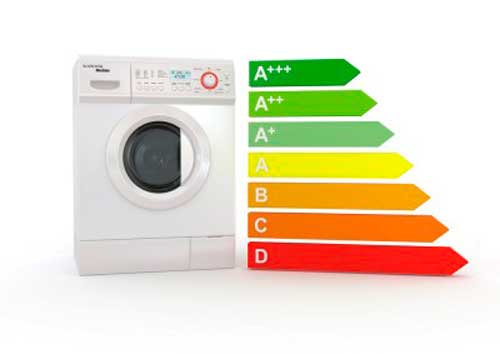
There is no point in listing further, since modern technology with worse indicators no longer uses or produces such classes that require much higher energy consumption, which is very convenient for modern users.
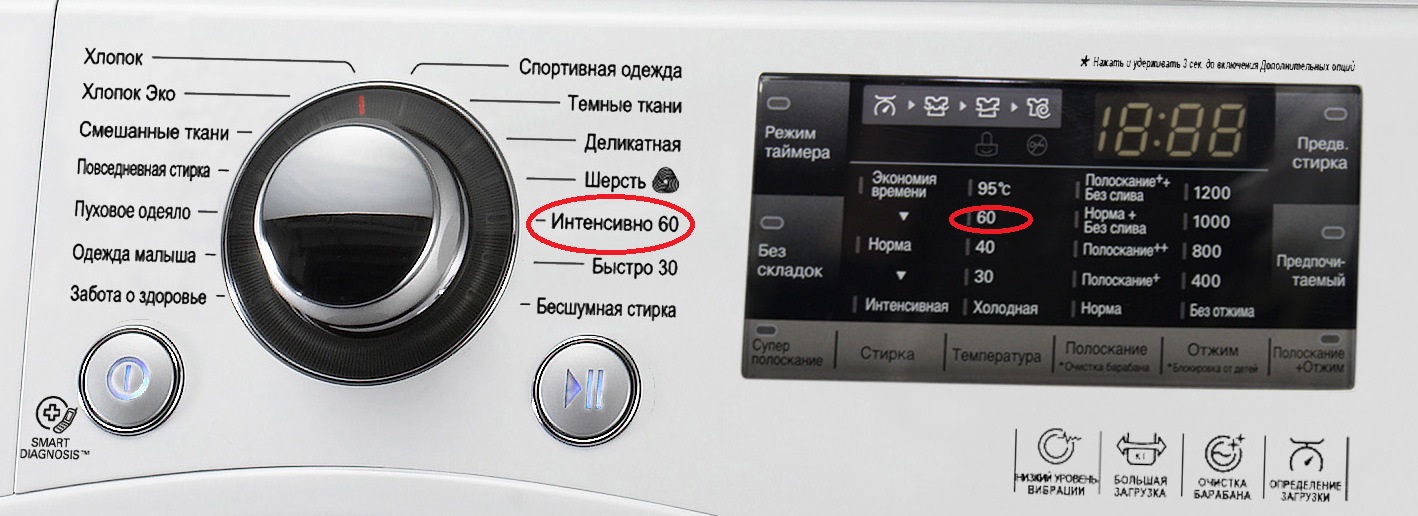 During the experiment, washing takes place at 60° Celsius with a maximum load, and, as a rule, the linen used for research is cotton, but in real life everything is a little different, because this parameter can even be different, but the rule is smaller.
Types of household machines
All household washing machines for home use are divided into the following main criteria:
 How to load laundry.
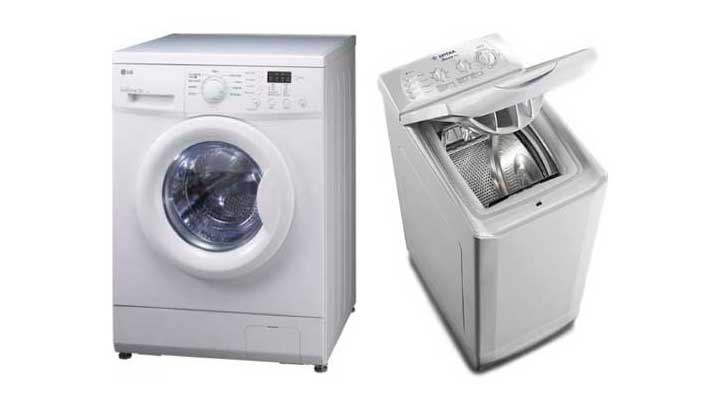
It could be like this frontal, as well as the vertical method.
The top-loading option is much more economical because it is a small-sized device, but it will only be able to meet the needs of small families.
 Drum capacity.
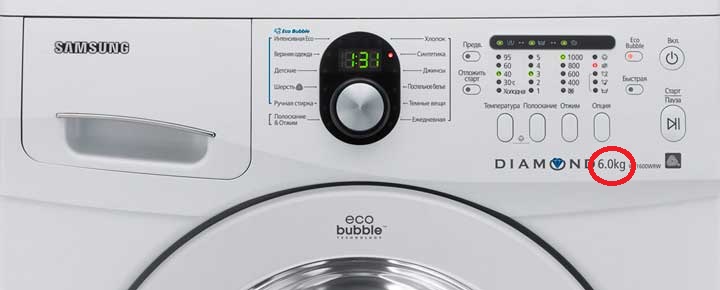
This parameter has a direct impact on the operation engine washing machine, so if you're choosing a machine for washing a large amount of laundry, I recommend paying close attention to its class so you can choose the most economical model.
- Machine size.
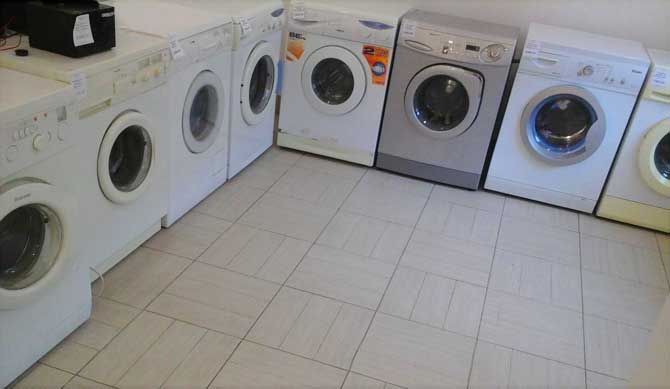 Typically, they vary depending on the load size, but manufacturers have already learned to produce relatively compact models with large load capacities, with a depth of only 0.4 m and typically rated at "A" consumption class. For example, a Bosch machine costs 15,000 rubles. Therefore, when purchasing your home appliance, try to pay attention to the key technical specifications to accurately determine your washing machine's consumption at maximum load.
The actual electrical consumption will always be different, regardless of the model and the rated power of the washing machine motor, which is expressed in kilowatts per hour.
Actual energy consumption will depend on the following factors:
 Washing mode.
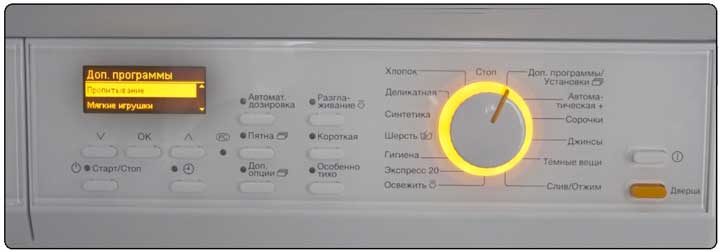
The water heating temperature, rinse duration, wash duration, number of cycles, drum rotation speed, and the use of additional options will all depend on it.
- Fabric type.
For example, washing cotton or linen will require much more energy than washing standard polyester items, as these are different fabrics that have different weights, both dry and wet, so this is also worth considering.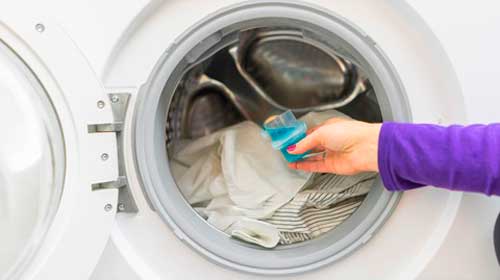
- Volume when loading laundry.
It can be at maximum capacity or only half full, but of course, the more loaded the tank is, the more electricity will be required to wash your clothes.
Cost of washing
The average power of modern washing machines ranges from 0.5 to 4 kilowatts, but consumers most often prefer energy-class "A" machines, which consume 1 to 1.5 kilowatts of energy per wash cycle. This is due to the relatively low price, as a higher energy-class would cost significantly more.
With regular washing three times a week, with each washing cycle lasting 2 hours, the electricity consumption will not exceed 36 kilowatts per month.
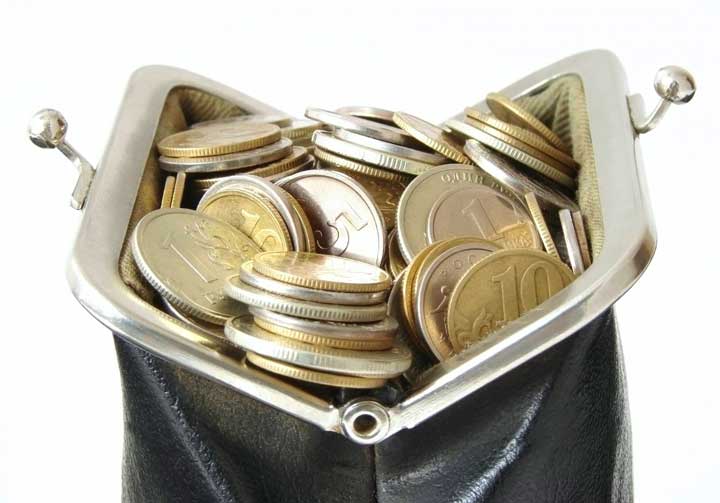
It is also important to remember that the washing machine consumes water, which also has to be paid for, but not everyone knows how many liters their assistant can use per wash cycle, and given the rising utility bills, this is far from an unimportant issue.
Innovative washing machines typically consume between 40 and 80 liters of water per wash cycle. This depends on the model and the maximum load capacity of the machine.
Thus, the average consumption rate will be approximately 60 liters per wash.
So, if you wash your clothes three times a week and live in Moscow and the surrounding region, you'll get the following washing results:
- during the daytime for the whole month will cost you 166 rubles.
- overnight will cost no more than 58.
If you live in other regions, you should recalculate everything in accordance with your utility costs, but I assure you that the amount will be much less, because living in the capital is much more expensive than in a quiet suburb or a neighboring region.
In conclusion, it's important to consider not only the beauty and size of the washing machine but also its energy efficiency class and the power of your potential appliance. After all, you'll need to use it wisely. Yes, it's sometimes worth paying extra for an A++ energy-efficient washing machine than to constantly overpay for electricity later.


