
 Washing machines have become such a part of our lives over the past few decades that a sudden breakdown can seriously ruin the owner's mood, as hand washing is clearly not part of modern life.
Often, during the washing process, washing machine owners encounter a problem that the machine does not drain water from the tank.
Or it drains, but very slowly. Or the program might simply stop mid-run—freeze—and the water doesn't drain at all.
Why doesn't the washing machine spin or drain?
There may be several possible causes for this malfunction. We'll examine them in more detail below.
Reason #1: The drain is clogged.
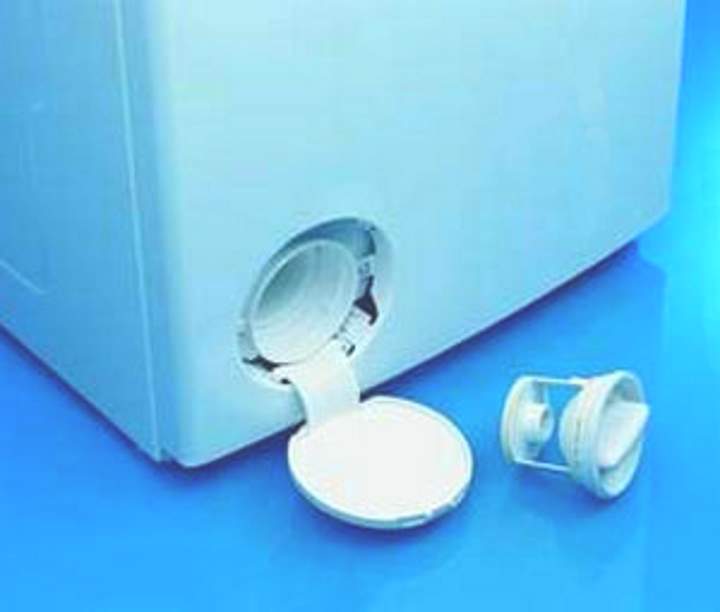 In this situation, the drain filter is used, since it is responsible for the pump's operation, and thanks to its operation, water circulation occurs.
To understand that the drain filter is the cause of the breakdown, you just need to check it. Most often, small objects, lint, seed or nut shells, and threads remain on it, which hinders the speed of water drainage.
The manufacturer placed the unit at the front and bottom specifically with this problem in mind. Simply unscrew the filter and rinse it thoroughly.
Keep in mind that some water will end up on the floor during the process. To avoid this, prepare a rag or container in advance.
Sometimes the filter "welds" due to high temperatures, but the problem is solvable. A specialist can help, as the washing machine will need to be disassembled and the part replaced.
Regular maintenance of equipment increases its service life.
Reason #2: The pump is broken.
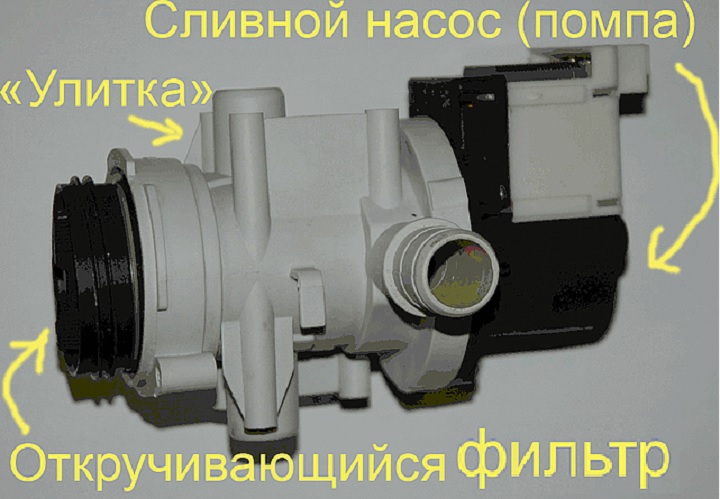 In some machines, the drain pump is the weak link.
If the pump is faulty, water is not pumped out, the “Spin” function cannot be turned on, or the pumping speed is very low.
In this case, when solving the problem on your own, you need to take into account the nuances, for example:
- Bosch brand washing machines are equipped with a drain pump, which is located on the front panel and to remove it, you need to unscrew the front panel;
- In Electrolux brand machines, the pump is accessible through the rear housing.
How to check if the pump is working?
 You should begin checking the pump’s performance by removing the filter.
- After this, you need to set the washing program to “Spin”.
- Using a flashlight, you can simply peer into the filter opening to determine how serious the problem is. The impeller is located there.
- First, you need to determine if it's rotating properly. To do this, simply clean the impeller of any debris, as even a small object can cause damage.
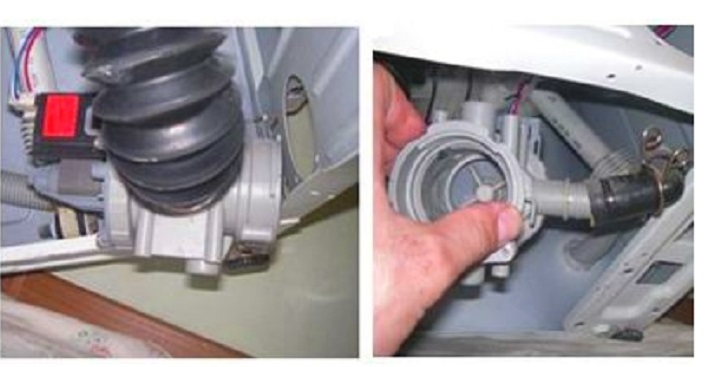
If the impeller rotates freely, you may need a professional to diagnose the pump. If a professional isn't an option, remember that if the impeller isn't rotating, the drain pump is likely faulty and will need to be replaced.
You'll need to remove the drain assembly from the washing machine and detach the pump from it, carefully removing the wires. Install the new part in its place and complete the machine assembly with a test wash.
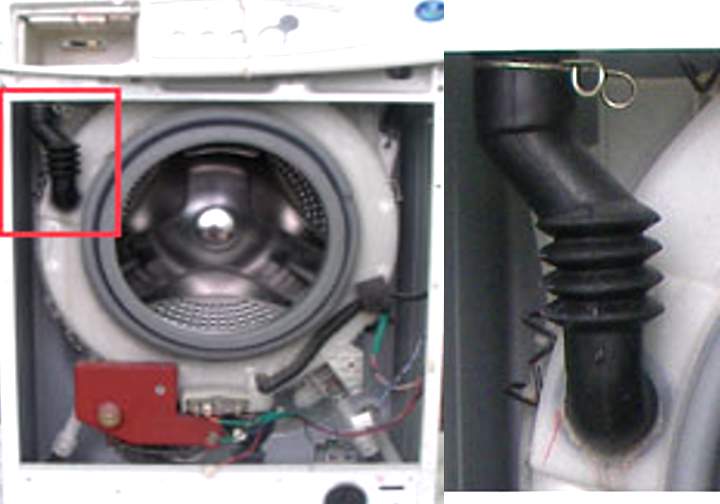
Reason #3: The hose is clogged.
This part connects the pump and the tank.
It is impossible to solve this problem without disassembling the washing machine.
If the filter is fine, but the washing machine drains poorly, the problem may be in the hose.
We check whether the pipe is working.
 To get to it, you will have to unscrew the bolts that secure the drain assemblies.
- Next, the pipe itself is removed and the fixing clamp is removed.
- There is water in the pipe that needs to be drained.
- A slight squeeze will tell you whether it is clogged or not.
- If you feel a blockage, you need to get rid of it.
- After this simple procedure, the part is returned to its place.
Reason #4: The “Spin” mode does not turn on.
With this problem, the machine refuses to drain the water completely.
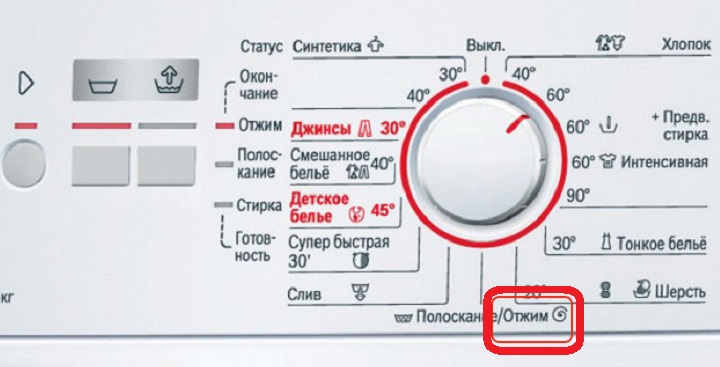 The problem most likely lies in the improper installation of the drain hose or a clogged sewer system and trap. As a result, water does not drain from the washing machine.
The most common cause of water drainage problems is a problem with the drain hose.
- It is necessary to check that it is not twisted or pinched.
- It is also necessary to pay attention to the height of the bend, taking into account the minimum value of 60 cm.
- If water from the washing machine drains into the sewer, it is advisable to check the siphon for blockage.
To check the sewer system's functionality, you'll need to remove the hose and lower it into the bathtub, for example. If the machine drains without a problem, the problem is with the sewer system.
Reason #5: Electronics malfunctioned
If, for example, the control unit stabilizer malfunctions, the machine does not receive the appropriate commands from the “brain” and therefore the water does not drain.
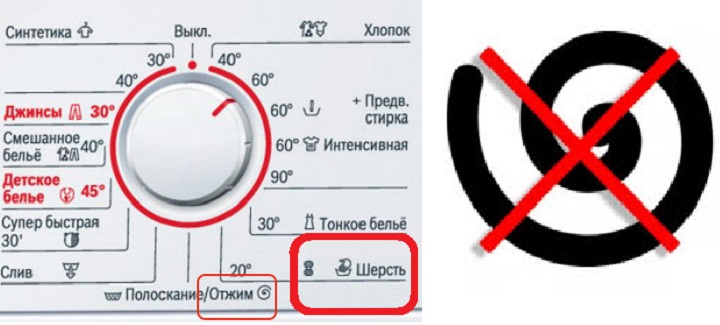 Before jumping to conclusions about a malfunction in the machine's electronics, you need to make sure that "Spin" is actually included in the given washing program.
If so, then the system may have malfunctioned and a reboot is sufficient. To do this, unplug the device and plug it back in. If that doesn't work, the problem cannot be resolved without a service center. This is a more complex issue, which can be dangerous if handled unprofessionally.
Do-it-yourself repairs
Before repairing, be sure to disconnect the machine from the power supply by pulling the plug from the electrical outlet!
It's entirely possible to unscrew the drain hose or clean the drain filter and pump impeller yourself. However, if you have any doubts about the correct solution to your washing machine problem, it's best to contact a service center, where the issue will be resolved quickly and professionally.
This approach will allow your device to serve you for a long time without interruptions.
How to prevent breakdowns? Prevention
To avoid problems when using your washing machine, follow these simple rules:
- Before washing, make sure there are no coins, buttons, stones, pieces of paper, etc. in the pockets of your clothes.
- Don't forget that the condition of the sewer and drain hose also affects the blockage.
- Regular maintenance of the filter will help protect the drain pump, which is undoubtedly an important part of the machine.


