
stains after washing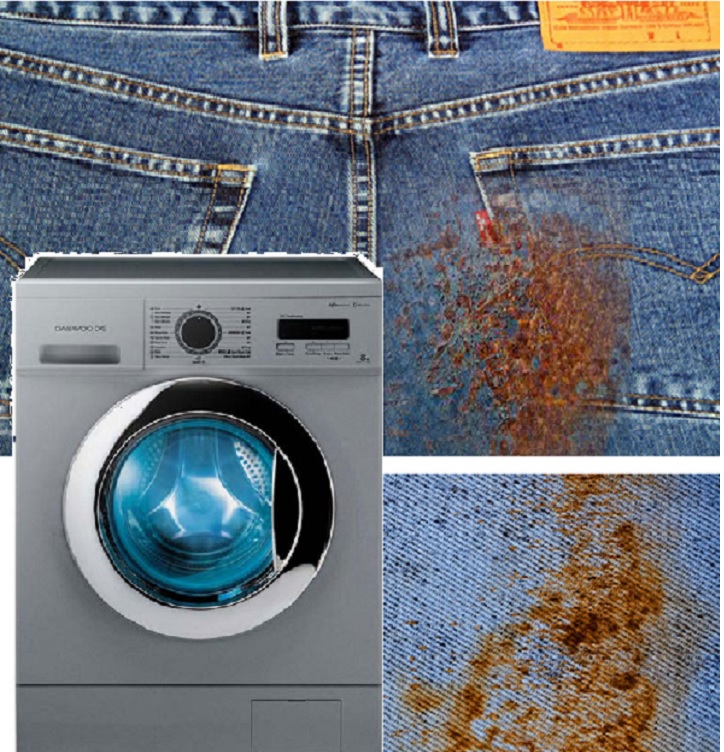 Paradoxically, after washing clothes in a washing machine, they may become dirty or stained.
And the washing itself turns into a game of “Russian roulette” – will it work or not.
Quite a few owners of this miracle technology face a similar situation.
Why does this happen? Why are clothes stained after washing, and instead of clean laundry, do we get damaged and dirty laundry?
Let's figure it out.
Possible causes of stains after washing
Why does the washing machine dirty instead of washing?
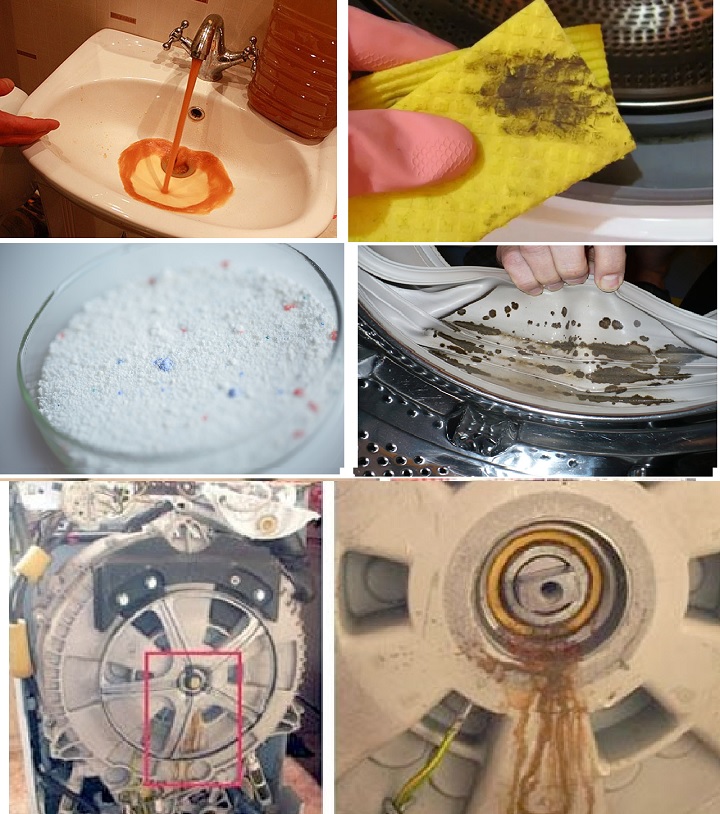 This is, of course, strange. For years, your assistant has been doing her job without complaint, and then suddenly she started acting up, dirtying everything she puts in her drum. There's a reason for this, and more than one.
- Dirty water.
- Bad washing powder.
- Dirt in the cuff.
- The bearing or seal has failed.
- Mold.
If you're experiencing stains on your laundry after washing, your washing machine is likely to be affected by one of the above-mentioned causes. These stains can cause brown, gray, white, black, or green spots to appear on your laundry. And believe me, the machine is rarely to blame; most often, it's the owner's fault or improper maintenance.
According to statistics, only 0.5% of stains on clothing are caused by a manufacturing defect. Any appliance requires maintenance, and a washing machine requires even more!
Water and powder
Poor quality detergent
One of the most common causes is poor-quality detergent. Even if the machine has been using the same detergent for a long time and has never damaged items before, this doesn't guarantee it will continue to do so.
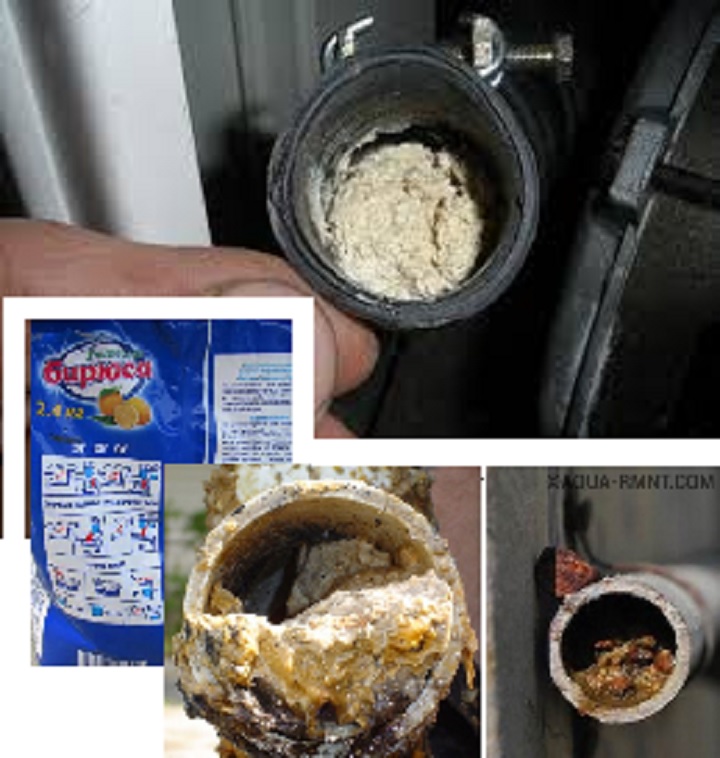 Powders are also counterfeited, for example, or batches can be defective.
Anything can happen. How can you tell the quality of a powder?
Bad powder:
- It's almost insoluble in water. There's a lot of undissolved detergent in the detergent compartment, and there are granules on the clothes.
- Doesn't produce foam or produces too much. A good detergent produces a moderate amount of foam.
- Leaves an unpleasant chemical smell that takes a long time to dissipate.
If you think that the detergent is to blame for the stains on your clothes after washing, you can wash the clothes with a different detergent next time and see the results.
How can I tell if powder is to blame for stains?
Stains caused by poor quality powder can be of different colors: green, red, light brown or yellow, rainbow-colored, white.
If there are white stains left on your laundry after washing, restarting the wash cycle without using detergent should save the items.
Causes of white spots
Reason 1. Weak water pressure
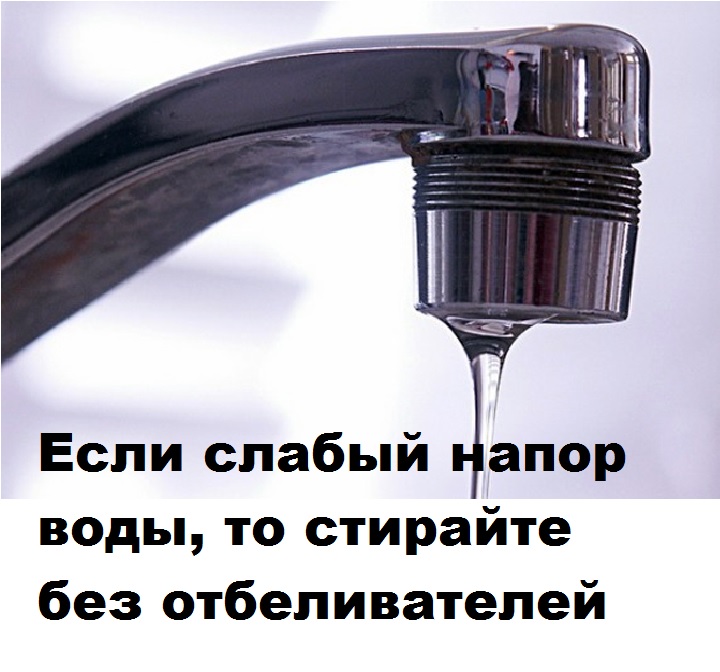 If the detergent is poured into the detergent dispenser and fails to reach the drum at the beginning of the wash cycle, the cause is low water pressure. This means the detergent gets onto the clothes when the rinse cycle is already running, and the machine doesn't have time to remove it. The detergent remains on the clothes, causing stains.
If increasing the water pressure isn't possible, you can solve the problem of white spots after washing by using a dispenser placed in the drum. Another solution is to use liquid detergents. Unlike powdered detergents, they lack bleaching agents. This is important when using such detergents regularly, as they can cause slime and black mold to form in the machine. To prevent this, regularly performing preventative cleaning is sufficient.
Reason 2. Too much laundry
There's a large amount of laundry in the machine, which is called overloading. In this case, the detergent simply gets stuck in the clothes and can't dissolve. This problem can occur even when using the dispenser in the drum.
Reason 3. Not enough powder
A detergent deficiency. Doesn't seem logical? At first glance, yes, but if you look into it, the wrong amount of detergent contributes to the formation of a white film. This isn't undissolved detergent, but rather a film. It's the result of a chemical reaction between the detergent's ingredients and the minerals in cold water, causing a precipitate.
Problems in the water
A few words about water, which contains a huge amount of iron and which washes our clothes.
It is iron that causes equipment to become discolored, deposits to form on parts, and yellow stains to appear on clothing after washing.
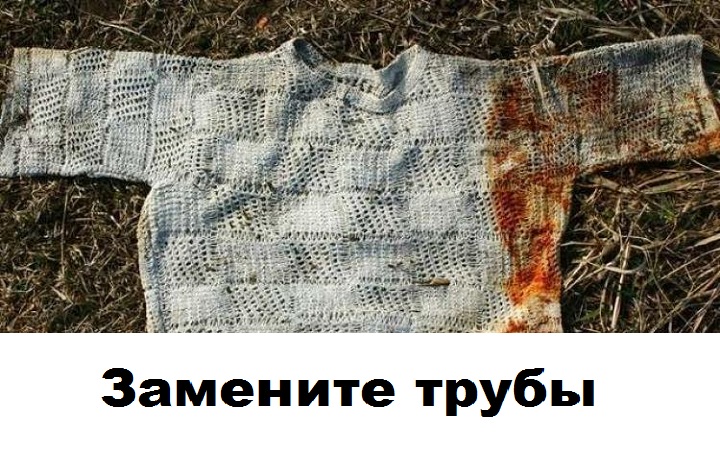 Washing in such water can ruin white laundry and leave it with not only yellow but also brown stains that are almost impossible to remove.
At first, these may be small specks, but then they become larger and larger. Therefore, before loading your laundry into the washing machine, turn on the cold water tap and check whether the water is clear or rusty and filled with small debris.
After replacing the pipes, it's best to avoid using the washing machine for a while to prevent stains. If you use well water, installing filters may be a solution.
How to clean a washing machine
If your washing machine is staining your clothes, it will need cleaning. Simply run a high-temperature wash cycle with citric acid.
How do you get rid of yellow stains after washing? You can try removing yellow stains using citric acid. Soak the items in a basin with a packet of acid and leave for 3 hours. After this time, place the whitened items in the drum and run a mixed wash cycle, using citric acid again instead of detergent. Small stains are removed with the first treatment, while larger stains require a second treatment.
Removing dirt from the cuff
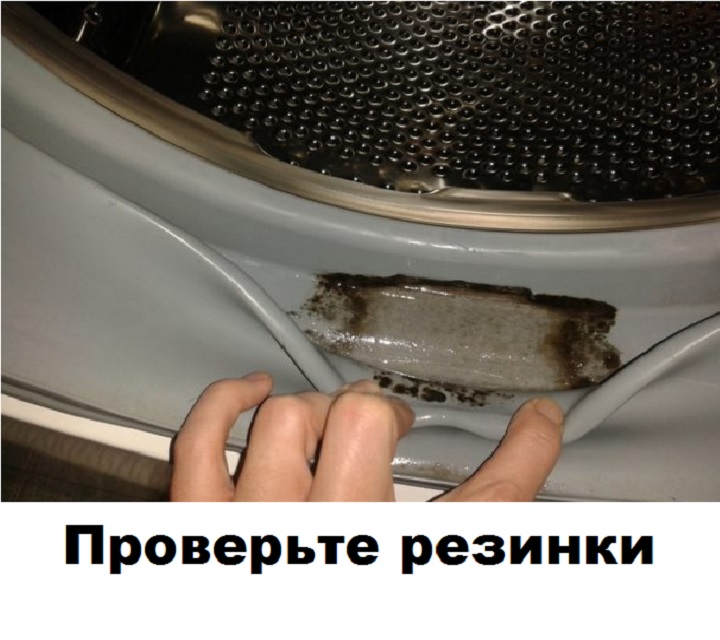 Dirty deposits in and under the cuff accumulate due to years of poor maintenance of the equipment.
It happens that so much plaque accumulates that it falls out in pieces and stains things, leaving gray spots after washing.
You can fight this scourge with a regular brush, a toothbrush and a cloth.
Using these simple tools, remove any dirt you can find. Be careful not to overdo it and damage the seal.
We check the bearing or seal
If your laundry has dark spots after washing, the cause is faulty seals. They release grease into the drum, which stains items and leaves black marks on clothes after washing.
In this case, the big problem lies not only in dirty and damaged items, but also in the performance of the bearings, which can be exposed to water.
In this case, the bearings may fail, and replacing them will require completely disassembling the car, cutting up the tank if it's solid, and replacing the part with a new one. This process will be costly and time-consuming.
Removing mold
Ideal conditions for mold growth are warm and humid environments. Black mold is dangerous to humans.
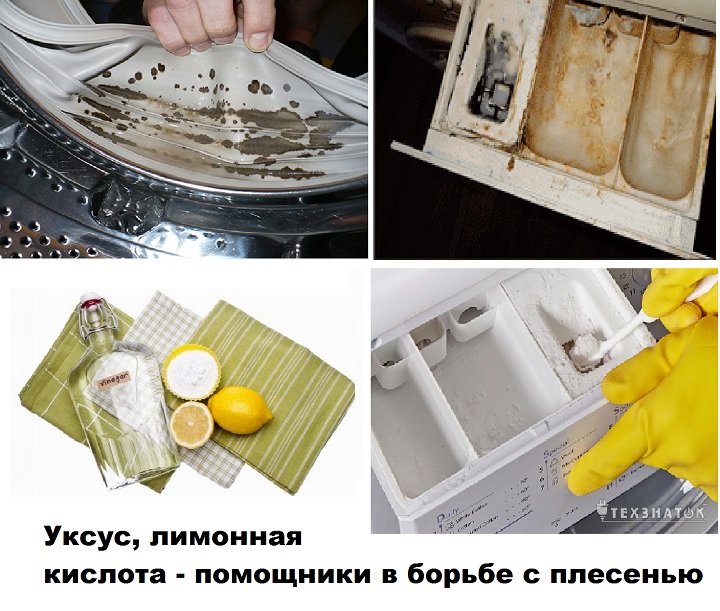 In a washing machine, it is most often localized in:
- – pipes;
- - cuff;
- - on top of the tank;
- - drum;
- - powder tray.
It's easy to spot mold in your washing machine; you'll immediately notice an unpleasant, pungent odor. The dangerous black mold grows and develops quickly. If it comes into contact with laundry during washing, it leaves ugly black stains. Imagine if it was white laundry!
Remember! Mold must be dealt with immediately upon detection!
A regular wash with baking soda at a high temperature will help. If after washing you find that the mold hasn't been completely removed, you can repeat the treatment with an additional rinse.


