
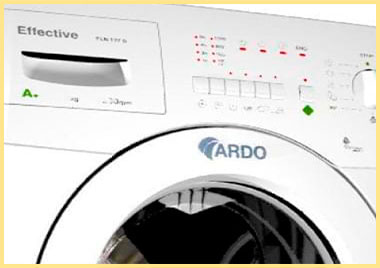
 Ardo is an Italian washing machine with a low price tag. It's also popular, with excellent reviews. But like other appliances, it breaks down.
A spinning problem is one of the most common problems with Ardo washing machines. "The Ardo washing machine won't spin," some housewives complain.
In this article, we'll share with you why your device isn't spinning and what to do if it's not working.
My Ardo washing machine washes but doesn't spin. Is this a malfunction?
Ardo has a range of programs that include not only cotton at different temperatures, but also delicate wash, silk, wool. These programs do not include spinning.
So before you get upset, check to see if you have one of these programs enabled. If you've started a wash cycle using these settings, the machine will stop after the rinse cycle. If you want to spin the laundry, set the "Spin" program.
In your Ardo washing machine, you can change the spin speed or cancel it. Before rushing to the service center or calling a technician, check carefully to make sure you haven't accidentally pressed the "Cancel Spin" button or reduced the spin speed.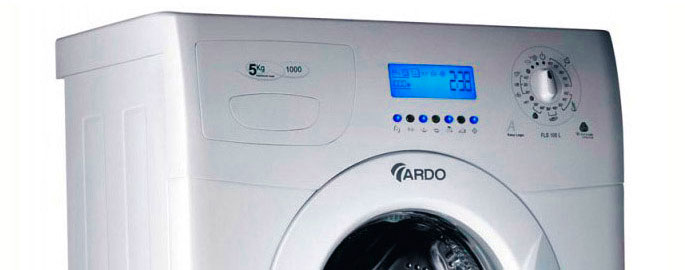
Ardo also has a function to stop the machine with water. Check if you have accidentally stopped the device.
The Ardo washing machine's imbalance control feature distributes laundry evenly throughout the drum and prevents overloading. If you add too much laundry, the spin cycle will not start. If the imbalance is high, the spin speed is reduced or the spin cycle is stopped altogether, leaving the laundry wet. Remove the excess laundry, and the spin cycle will resume.
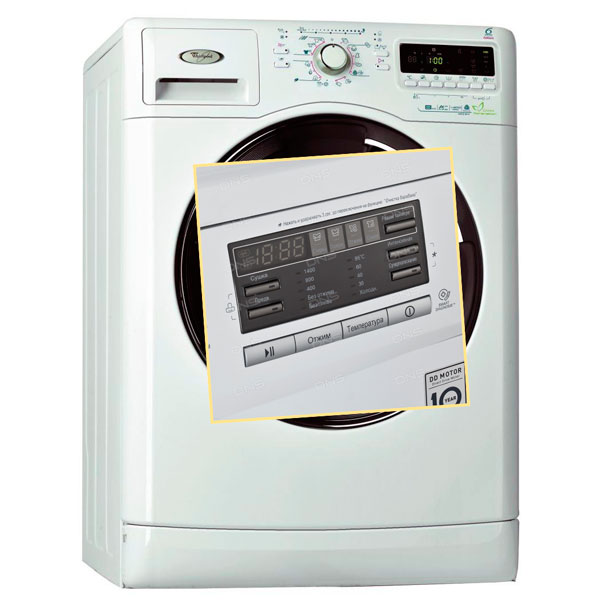 But excess laundry isn't the only cause of improper drum operation. If you underload the machine or the laundry is very light, the items won't be distributed evenly. Strong vibrations occur at high drum speeds.
Therefore, the control panel reduces the spin speed, and the machine doesn't spin effectively enough. When washing, it's best to load one large item and two small ones into the machine.
Poor spinning may also occur due to an excess of household chemicals. Washing powders, bleaches, air conditioners Use only those recommended by the Ardo machine manufacturer. Never use detergents intended for hand washing.
Why doesn't my Ardo washing machine spin?
If, however, you were careful and started the wash correctly, but the spin still doesn't work, then you need to troubleshoot the machine. One of the causes of spin failure is that the machine doesn't drain properly.
Why doesn't the water drain from the machine?
- The hose is pinched, so the water does not drain.
- A clogged drain and trap can cause water to remain in the washing machine for a long time. Initially, it drains, but since the trap is clogged and there's no way to drain, water flows out of the machine through the drain hole into the sink, and then backs up from the sink. This causes the washing machine to stop and stop washing or spinning. Be careful not to allow the drain pipe to become clogged during the wash cycle. To check whether the clog is in the machine or the drain, disconnect the hose from the trap and lower it into the bathtub or bucket. If water comes out, the clog is in the drain. It should be cleared with a cable, a vacuum cleaner, or a special cleaner.

- Inspect the drain filter. It's located at the bottom of the machine. Unscrew it. Place a cloth or container underneath first to prevent too much water from spilling onto the floor. Rinse thoroughly, removing any debris or foreign objects that may have gotten into the filter. The filter should be cleaned regularly, as should the detergent dispenser.
- If the filter is clean, the drain hose, outlet, or pump may be clogged. Blow out the drain hose or rinse it under a strong stream of water. Clean the drain and inlet hoses regularly to prevent clogged washing machines from malfunctioning.
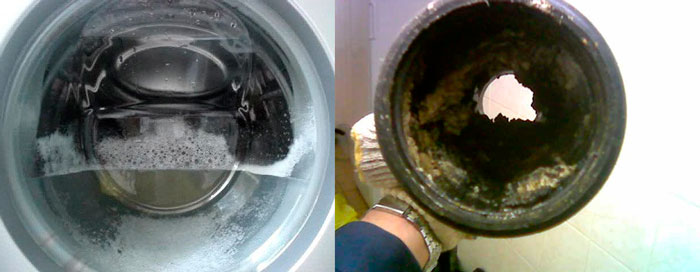
A clogged electromechanical device prevents water from draining. The control panel also won't start the spin cycle until water is in the drum.
What to do if the spin cycle is not working properly due to a faulty pump
- Disconnect the machine from the power supply by unplugging the cord from the outlet.
- Remove the top cover.
- Remove the tray, then unscrew the screws located under the tray.
- Place the device on its side.
- Unscrew the fasteners holding the tray in place and remove it.
- Pry up the wire that holds the cuff.
- Disconnect the cuff. Now nothing is holding the front of the machine in place. Remove it carefully, being careful not to tear the wires.

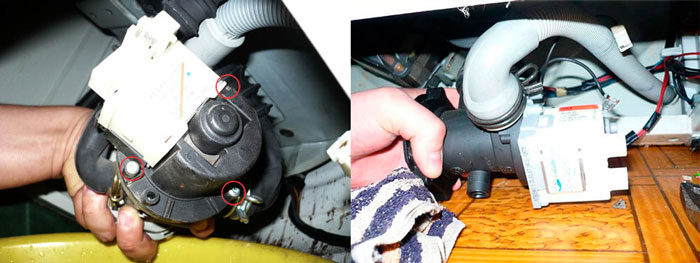
- The pump is accessible; remove it. There are two hoses connected to the pump—one from the drain hose, and the thicker one from the tank. Use pliers to loosen the clamp and remove it.
- Use a screwdriver to pry up the edges of the hose and remove it. You'll see a lot of debris. Collect it.
- Remove the terminals, then the pump itself. Now check if it's working by plugging it in. It should start spinning. Press it with your thumb. If it's working properly, you shouldn't be able to stop it.
- Rinse drain pump and a branch pipe.
- Reassemble the washing machine in reverse order. Run a test wash: check if the water drains and if the machine spins.
My Ardo washing machine won't spin. Other possible causes
- Problems with the spin cycle may be caused by a faulty tachometer. The tachometer is the device responsible for measuring the number of revolutions in the drum.
If the spin speed is low, the laundry will be wet. The drum is spinning, but the display doesn't receive a signal indicating the drum's rotation, and therefore the control module can't correctly set the spin speed.
The tachometer sensor may not be broken; a screw may have come loose or the contacts may be damaged. You need to tighten the fastening and check the wiring and contacts. If necessary, clean the contacts and perhaps insulate them.
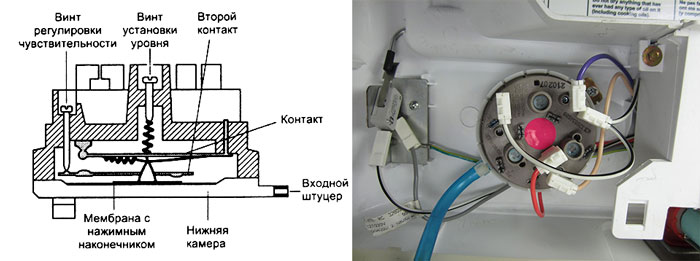
- The water level sensor, also known as the pressure switch, may be malfunctioning. If this is the problem, the spin cycle will not start after rinsing. This is because the water level sensor, when faulty, doesn't communicate to the circuit board whether there's water left in the tank or not, so the module can't signal the need for a spin cycle. The water level sensor is located under the top cover. It's a plastic device with terminals and wires connected to it. Replacing it will restore the spin cycle. Check the resistance with a multimeter.

- If the cause of the breakdown is module malfunctions, then the board will need to be reflashed or replaced. It's best to hire professional technicians who have high-quality equipment to test the control module and experience replacing electronics.
- The cause of the malfunction may be the engine or graphite brushes, which wear out over time. Brushes play a vital role in a washing machine. They supply electricity to the motor rotor. But over time, they shrink in size and can no longer reach the rotor plates. Consequently, the motor stops turning.
When disassembling the engine, you need to measure the brush dimensions. If the brush length is half a centimeter or less, it needs to be replaced. Due to brush problems, the motor can't reach the required speed, causing the Ardo washing machine to spin poorly.
To replace the brushes, you need to remove the motor. To do this, remove the drive belt. To remove it, pull it toward you while simultaneously turning the pulley. Next, disconnect the wires, unscrew the screws, and remove the electric motor.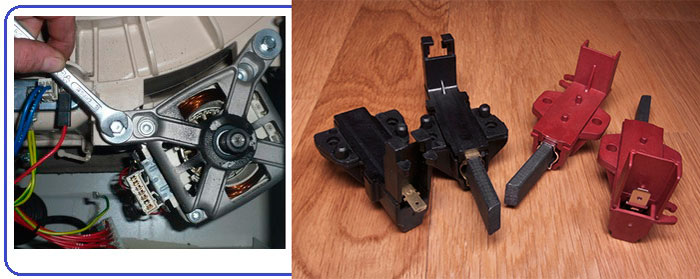
There are two brushes on the motor. They are screwed to the motor. Unscrew and remove them. Check their dimensions. Take new brushes and insert them into the metal housing, soldering the wire to the contact.
To check if they're tightly seated on the motor and installed correctly, rotate it. If the brushes are firmly in place, you'll hear a clicking sound as the motor rotates.
To order brushes, please contact a service center or specialized home appliance stores.
Check the sticker on the electric motor to determine its type. When purchasing new brushes, be sure to also provide the name and model of your washing machine.
- There may also be faults in the rotor and stator windings.
 If the motor hums and overheats, fails to produce high power, or you hear strange noises during operation, there's a short circuit in the winding. You can check the winding fault with a multimeter. To do this, place the probes across adjacent fins. The difference in resistance between them should not exceed 0.5 ohms. A lack of resistance between the fins indicates a broken winding in one of them. The motor must be replaced, or an identical rotor or stator must be selected and installed in its place.
 - The heating element may be faulty. The control module receives a signal about the heating element's malfunction and therefore does not activate the spin cycle.
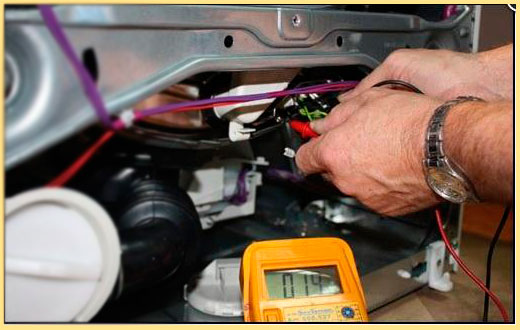
To replace the thermoelectric heater, remove the back panel. The heating element is located at the bottom of the tank. Remove the wires. Loosen the screws and, using a rocking motion, pull the heating element toward you. Remove the heating element.
Pay attention to where the heating element was located. If there is any debris there, remove it. Install a new heating element. Tighten the bolts. Connect the wires. Install the temperature sensor.
We've shown you the reasons why your Ardo washing machine isn't spinning. We've also given advice on how to fix these issues yourself so your machine can spin again.
Take these tips into consideration, and you'll avoid paying for expensive repairs. We hope you can fix the problem yourself and restore the spin cycle on your Ardo washing machine.


