
Submit a request for washing machine repair:
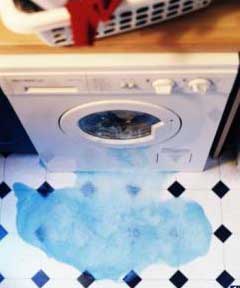 One of the problems that can happen with your washing machine is a leak. When water leaks from your washing machine, it's cause for concern, as even the smallest leak can cause flooding in your apartment and your neighbors'.
 Causes of leakage
First, you should ensure that the water leak is actually caused by a faulty washing machine. It's possible that a leak is coming from a pipe, a riser, or a faucet hose. If no visible leaks are found in the plumbing or sewer systems, then the problem lies with the washing machine.
Water is leaking from the washing machine most often for the following reasons:
- the pump started leaking;
- the tank is not sealed;
- one of the hoses (drain or fill) is damaged;
- the door cuff is damaged;
- the pipes are not airtight;
- the tank seal is damaged;
- the dispenser is clogged, etc.
We are correcting the situation
Carefully inspect the machine and determine the location of the leak. It's also important to know exactly when during the wash cycle the water is leaking. The answer to this question will determine the final diagnosis, as various systems in the machine can become worn or damaged: the drainage system, the water inlet system, and others. If water drips slowly throughout the entire wash and rinse cycle, it may be leaking through a damaged seal on the drum lid.
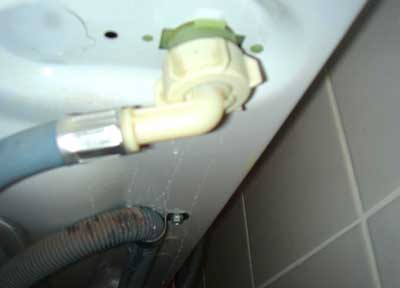
The hoses started leaking
Most often, hoses leak at the joints. This problem is easily fixed—replace the rubber gasket. A damaged hose should be replaced with a new, leak-proof one, as using glue is often ineffective.
-
The dispenser is faulty
The main cause of a leaky dispenser is a clogged powder container or excessive water pressure during washing. Sometimes leaks are also caused by problems with the inlet valve.
Remove the dispenser and, if clogged, rinse it under running water. Inspect the area where the dispenser is inserted for foreign objects and, if found, remove them.
If a leak is detected on the intake valve, it will most likely need to be replaced.
 The protective cuff is damaged
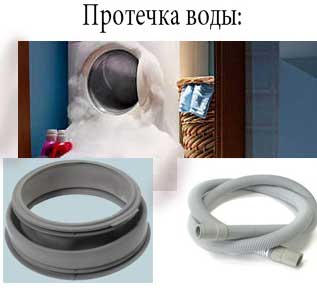
Minor damage to a rubber seal can be repaired with a patch and waterproof glue. If the damage is significant, the seal should be replaced. A seal that has dried out and cracked should also be replaced.
The tightness of the pipes is broken
If your washing machine is leaking due to a loose hose/tub fitting, remove the hose, clean and dry the area, and then reattach the part. To prevent the problem from recurring, it's important to use high-quality waterproof adhesive.
Damaged pipes will have to be replaced. A washing machine repair technician will help you with this.
There is damage to the tank
To detect damage to the drum of a front-loading machine, inspect the bottom. For top-loading machines, remove the side panel for inspection. A damaged drum must be replaced. Contact a specialist for this.
-
Defective oil seal
A malfunction of this part is indicated by water leaking from the washing machine during the spin cycle. Diagnose this problem When inspecting the tank, you may notice water leaking from the bearings. The faulty seal and bearings should also be replaced.
-
The pump is leaking
If water is leaking from the washing machine due to a faulty drain pump, it should also be replaced.
Leaking washing machines are not uncommon, but it's important to spot the problem early and get it repaired properly.
Leave a request to call a technician:


