
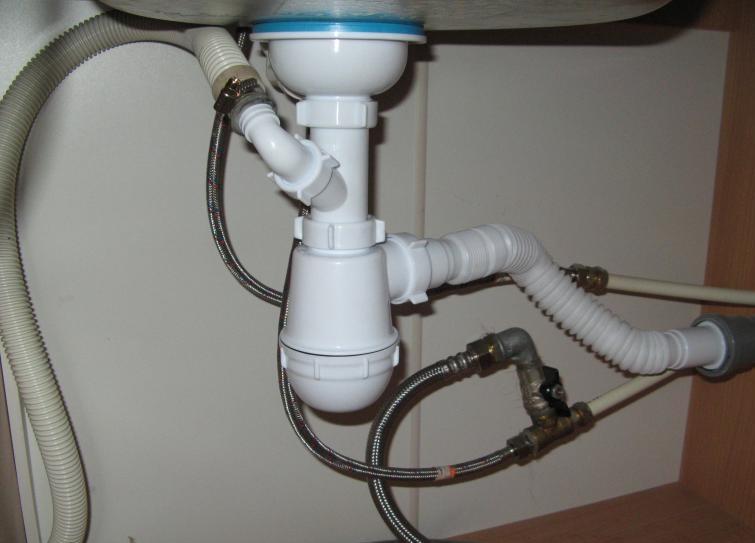
 The siphon is an important connecting part between the washing machine and the drain, acting as a hydraulic seal for the appliance. Organize the process correctly. plum and it will not be possible to connect the washing machine to the sewer system without a siphon.
Types of siphons for washing machines
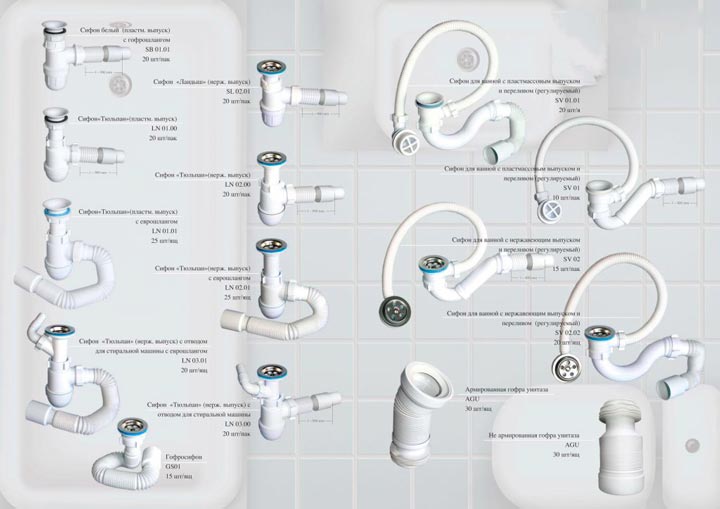 There's a wide variety of traps on the modern plumbing market. They differ in:
- size;
- form;
- installation;
- number of branches, etc.
Sometimes siphons look so ridiculous that it is impossible to imagine what kind of invention it is and where it can be used.
Selecting the right siphon is important and the key to successfully connecting the machine to the sewer system.
Siphon with outlet for washing machine
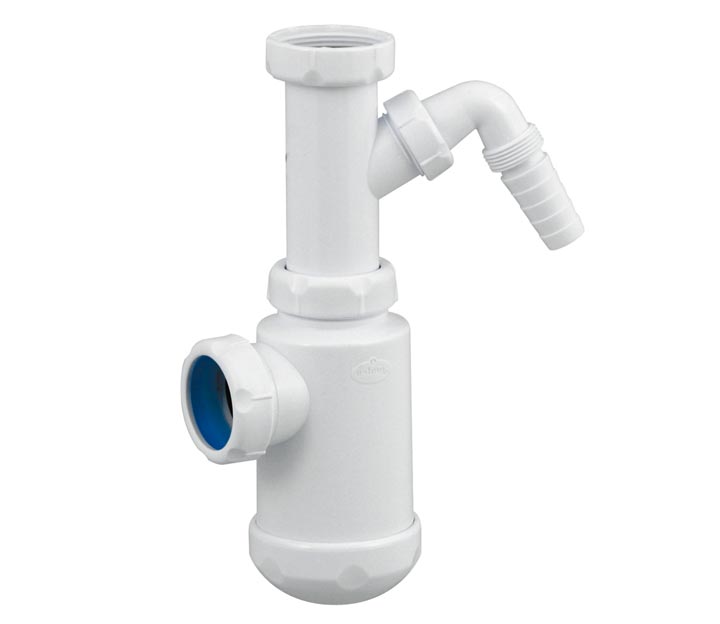
It's similar to a simple siphon we're used to seeing under a sink. However, this type is additionally equipped with a branch pipe or outlet on the side to which the drain is connected. water drain hose.
A very popular option, but not suitable for ensuring a high-quality laundry process. Unless the washing machine is installed under a vanity with a countertop.
Siphon splitter
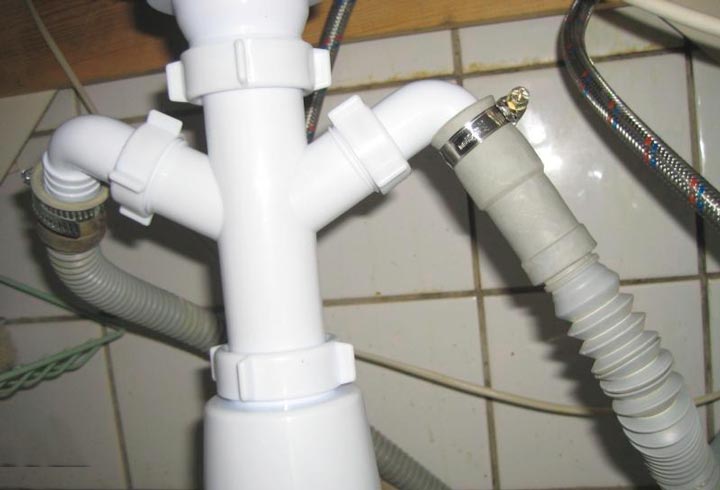 This model allows you to set up a dual connection at once.
It looks like a plastic tee. The first outlet goes to the sewer pipe, and the others are containers for corrugated hoses.
One of them belongs to the washing machine, and the other to the sink drain.
Built-in wall
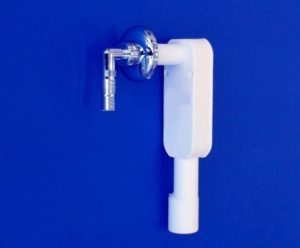
A rather small and neat siphon, because its main part is recessed into the wall with the sewer pipe.
Externally, only the part of the body with the outlet for the drain hose from the washing machine is visible.
A hidden siphon is made with one or more outlets.
Device with a check valve
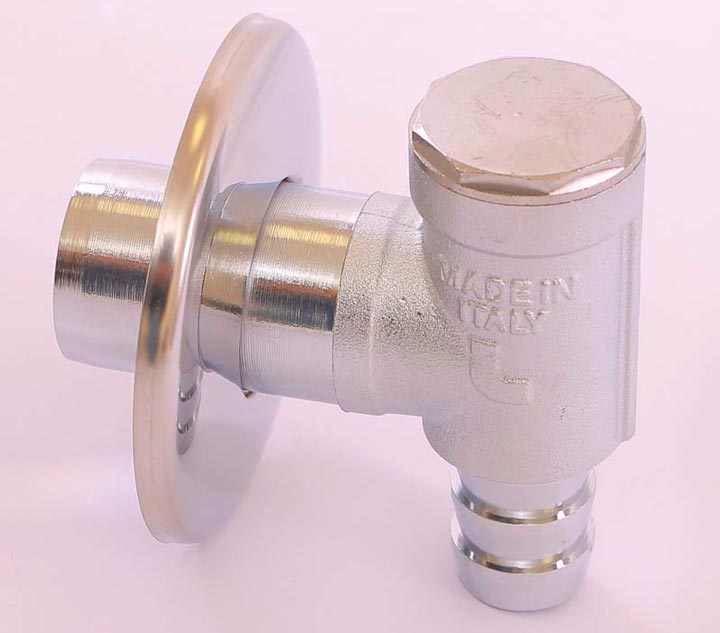 A recent invention, but very popular in the plumbing world.
It differs in that wastewater in case of blockage cannot get into the washing machine thanks to the check valve.
This is very relevant for residents who have apartments on the ground floors of multi-story buildings.
Flat siphons
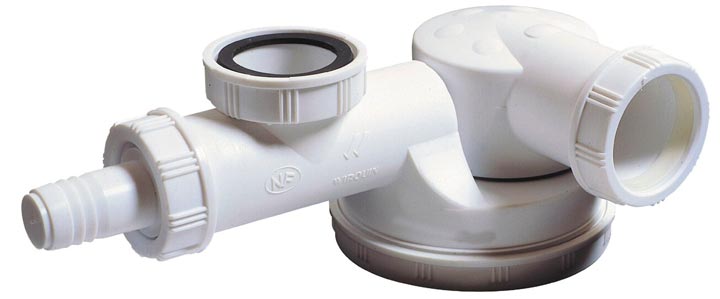 It is convenient to use this type when placing a washing machine under a sink, when there is a minimum distance between the sink and the lid of the washing machine.
The compact design and easy installation have made this type very popular.
Siphon operating principle
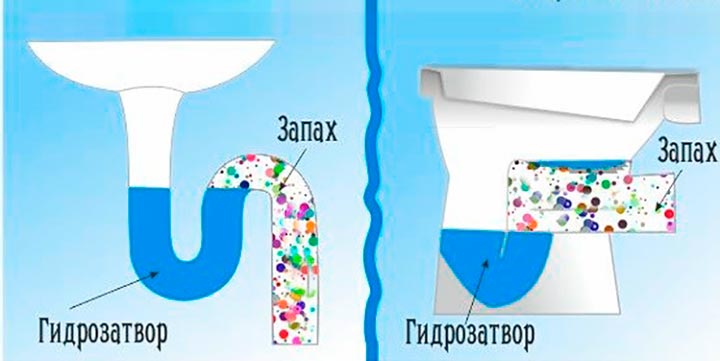
A washing machine siphon is needed not only for the proper drainage of used water from a washing machine, dishwasher, and other appliances.
This part successfully copes with:
 unpleasant smells, which can sometimes come from the sewer pipe;
- A large amount of debris has settled, which can clog the pipe. However, the siphon is very easy to clean; simply unscrew the reservoir;
- "Siphon effect" due to the angled outlet. This same bend simplifies the pump's operation.
Siphon installation
The installation process is quite simple. Just be sure to consider the distance between the washing machine and the sink.
1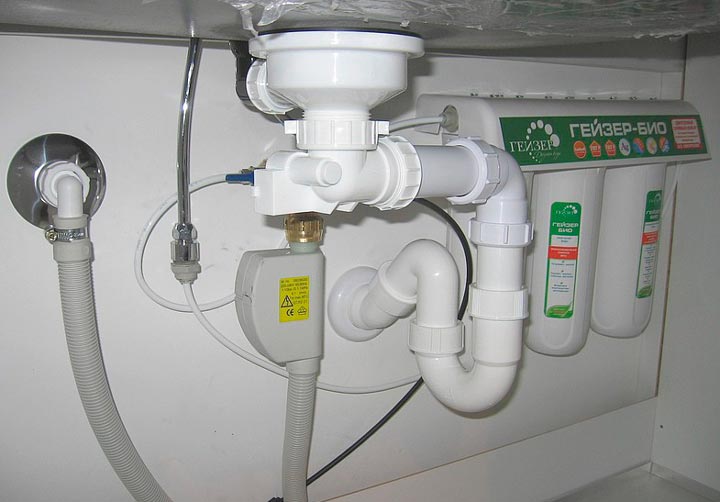 option: The washing machine is located under the sink. In this case, you can purchase a flat or built-in siphon for the washing machine.
The flat siphon is connected to the sink drain, the first end is needed for the corrugated washing hose, and the other end is inserted into the sewer pipe.
The drain hose is inserted into the second outlet and secured with a clamp.
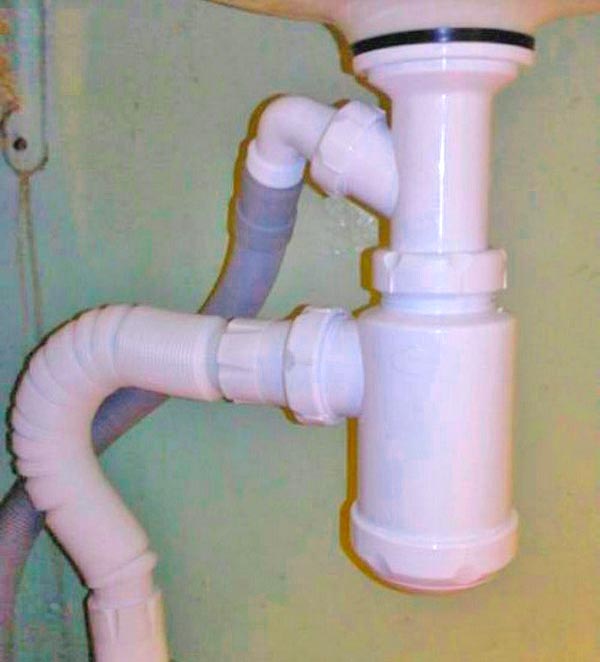 Option 2: the machine is located to the right or left of the sink under the countertop.
Any type of siphon with a drain outlet for a washing machine will do.
But, given the fact that this part will be open to public view, it might be worth choosing a more compact siphon model, for example, one that is built into the wall.
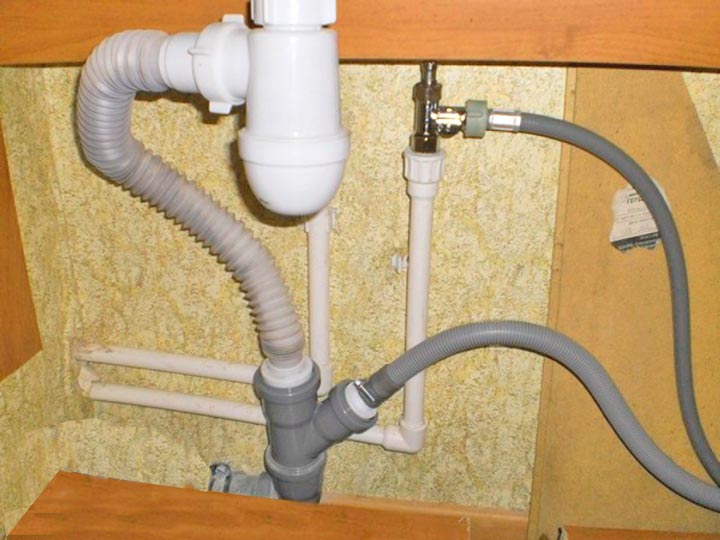 Option 3: When the machine is installed at a significant distance from the sink, any siphon can be used, as long as it's not an eyesore. It's important to consider that at a significant distance, the standard drain hose may not be long enough, requiring an extended hose to replace the existing one. Extensions are not permitted due to the additional strain it places on the pump.
In summary, installing a trap doesn't require much ingenuity or specialized knowledge; you don't even need any tools. The key is choosing the right type!


