
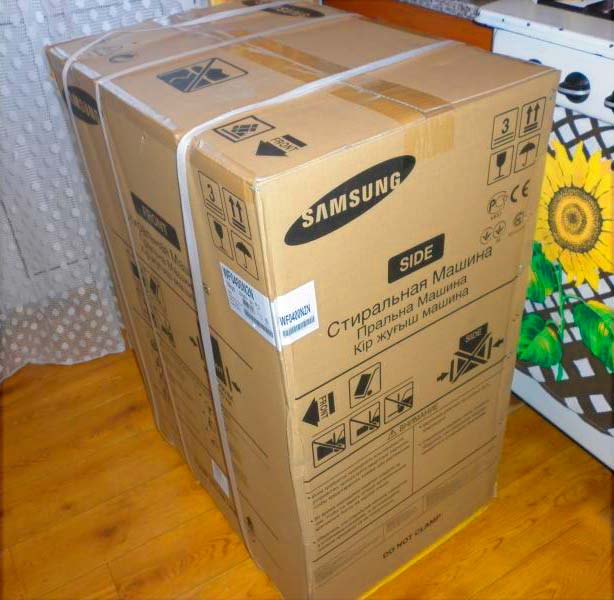
 An automatic washing machine is no longer a luxury. It has become an indispensable tool in almost every home.
To ensure that the machine serves you for a long time and reliably, it is necessary to first transport it correctly from the manufacturer to the consumer.
How to transport a washing machine
Household appliances are transported in special packaging and protective frames.
For example, music equipment fits easily into a box and is protected by a foam frame. This is quite sufficient for transporting the equipment without damage. This won't work with a washing machine. Things are more complicated here.
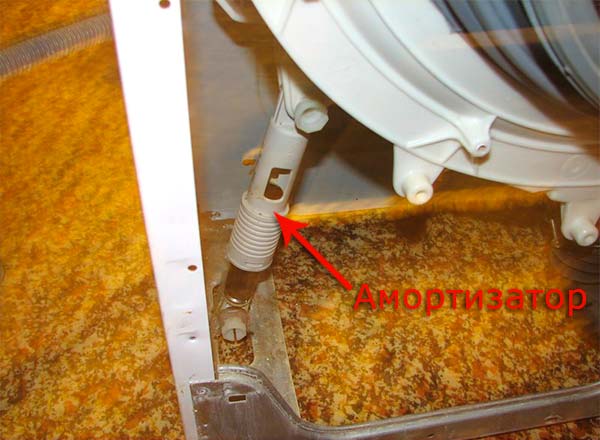 When transporting washing machines, the most fragile part is drumIt is fixed in the body using shock absorbers in the form of huge springs. This allows for easy movement inside the washing machine.
When transporting equipment over uneven surfaces, a loose drum can cause damage to the inside of the machine and to itself. To prevent this, the washing machine's transport bolts are crucial, acting as a safety device.
Transport bolts on a washing machine
In fact, transport fasteners in the machine are necessary when transporting equipment.
They securely attach the tank and are installed at the factory. This minimizes the risk of damage to the equipment during transportation.
Due to the stability of the drum, shock absorbers and bearings when tilted, they do not touch, remaining whole and undamaged. And they are very important when wringing out laundry in the washing machine.
What do the fasteners look like?
Some people wonder what the transport bolts on a washing machine are. The answer is very simple.
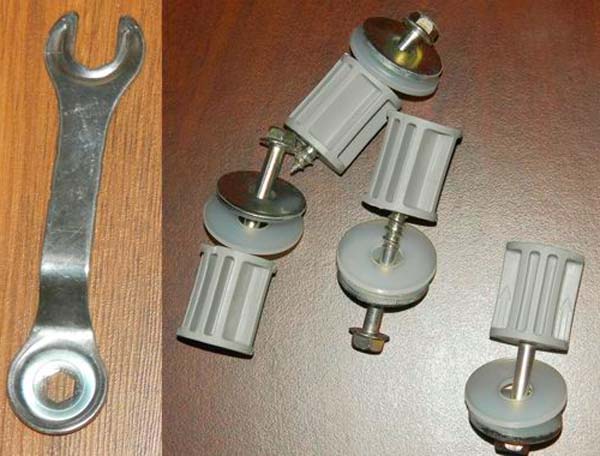 They look like regular screws, but they have plastic caps on top. These caps have a special shape that helps prevent the drum from moving.
Therefore, it is resistant to rocking and vibration during transportation and delivery. Different washing machine models may have different mounting hardware.
But their essence is the same: they secure the drum to the wall, as if pressing it in. The number of bolts varies from 3 to 6.
Where are the shipping bolts located?
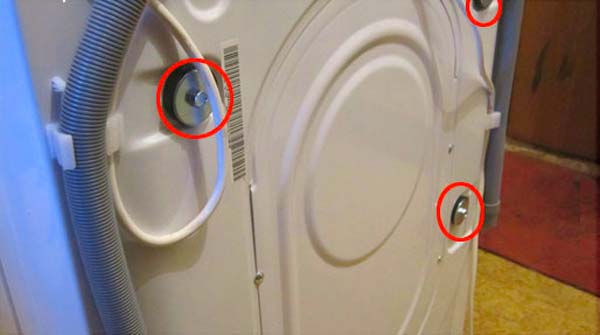 Washing machines have the same design, regardless of model. Therefore, the answer to the question "Where are the shipping bolts located on a washing machine?" is the same for all models.
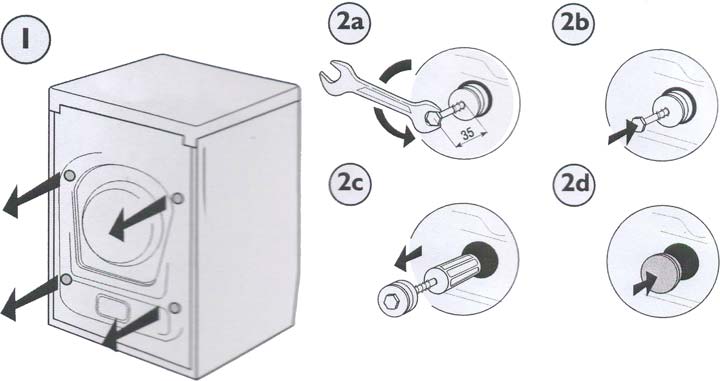
They can be found on the back wall of the washing machine. As with any rule, there are exceptions, and in our case, there are some top-loading machine models where the fasteners are located on the top.
This is a rare occurrence, but it is worth remembering.
How to remove shipping bolts
Anyone who purchases a washing machine must understand that before using it for its intended purpose, the elements holding the tank must be removed.
 Otherwise, the washing machine will fail immediately. And if the problem was caused by unsealed shipping bolts, the warranty will be of no help.
Since the fault here lies not with the manufacturer, but with the person who purchased the equipment and did not follow the instructions during operation.
So, how do you remove the shipping bolts to start using your washing machine?
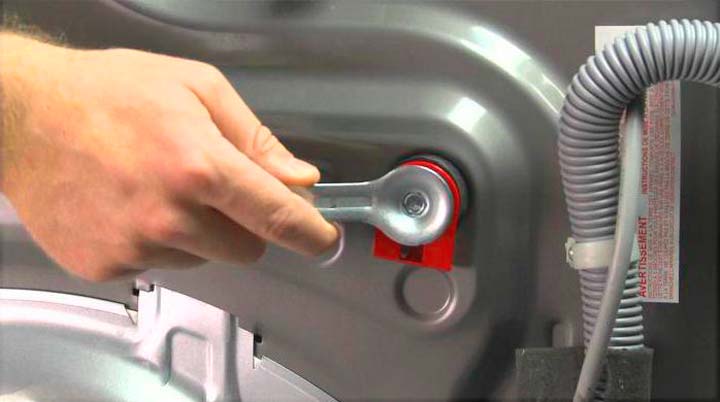 To do this, you need to unscrew them in the usual way with an all-purpose wrenchThe smallest bolt size is typically 10 mm, and the largest is 14 mm. LG washing machine manufacturers include a wrench with the drain hose to remove the transit bolts.
There are times when you simply don't have a wrench. Ordinary wrenches will come to the rescue. pliersThese will come in handy if you're replacing the bolts with metal pins. When removing the shipping bolts or pins, turn them a quarter turn. Then they'll easily slide out of the washing machine.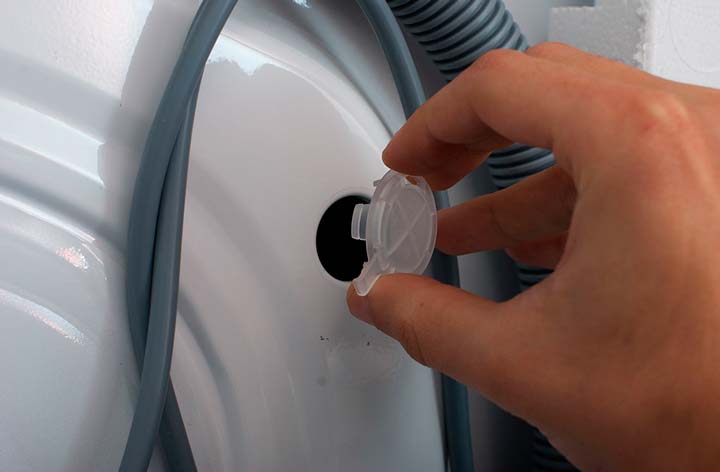
There will be holes where the bolts were. It's recommended to cover them with the plugs included with your washing machine.
Some people think that this is more for aesthetic purposes.
There is an opinion that they reduce noise when the washing machine vibrates.
Washing machine manufacturers strongly recommend that you retain the shipping bolts.
It's unclear what will happen next. Many people move, taking their appliances with them. In this case, when transporting the washing machine, the retaining bolts can be replaced, securing the drum and minimizing the risk of damage to the appliance.
The plugs that replace the bolts can be removed with a knife or scissors. The bolts are tightened without any tools. If you follow the instructions correctly, you won't have to worry about the machine's condition during transportation.
If the old bolts are lost
There are times when old fasteners are lost without a trace, and it's unclear how to transport a washing machine without transport bolts.
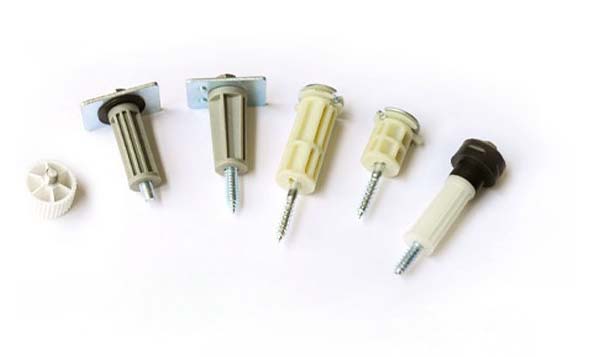 There is a need to purchase new ones.
FirstlyTo install transport bolts, you need to know the material they are screwed into.
Secondly, determine their diameter. Don't forget to buy plastic fasteners, which are tubes into which the bolts are screwed.
Manufacturers of washing machines of various models have taken into account all the nuances of operating the equipment.
Washing machine protection features play an important role, not only during operation but also during transportation. The most important of these are the transport bolts, which secure not only the drum but also the washing machine body during movement. They are easily removed when installing the washing machine and are just as easy to replace.


