
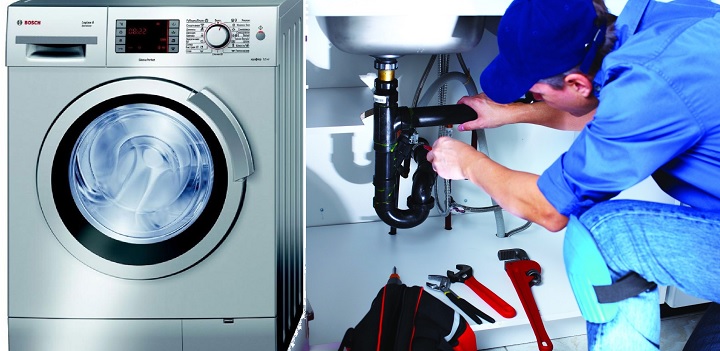
 Today, household appliances are one of the main interior elements in absolutely any apartment.
Automatic washing machines are available in various sizes and loading methods, including horizontal (front) and vertical loading.
Therefore, it is possible to install such devices in any room, be it a kitchen or a bathroom.
Machines are also produced with their own personal design, which may suit you.
Installing and connecting a siphon for a washing machine
What is a siphon for?
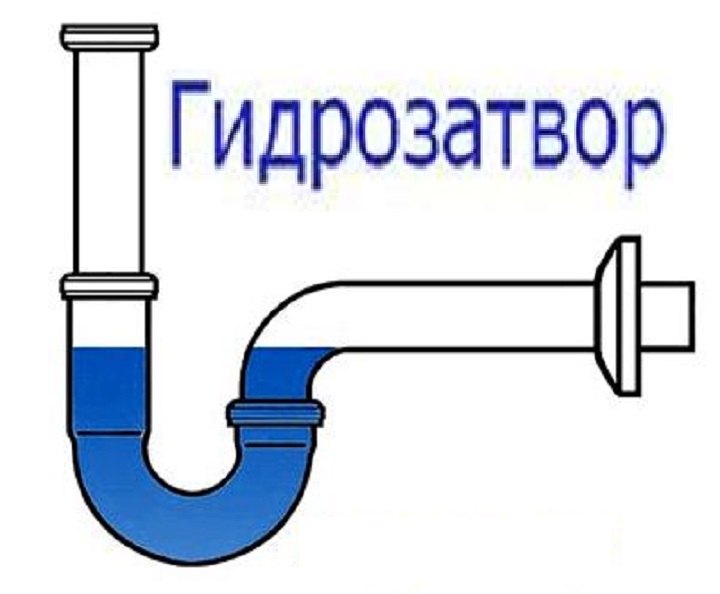
A trap is essential when installing a washing machine under a sink or countertop. Its water-tight seal prevents unpleasant odors from entering your apartment.
 The installation instructions included with this appliance specify the required water pressure for the element to function properly.
Look at the difference in the height of the washing machine's tank, which allows you to reach the minimum pressure (this is the case if you live in an apartment building, on floors located under the roof and below).
This isn't a concern for those living on the first and second floors, as there's always sufficient water pressure on these floors to operate a washing machine. You can also install two or more washing machines in your home, but in this case, you'll need to consult an expert.
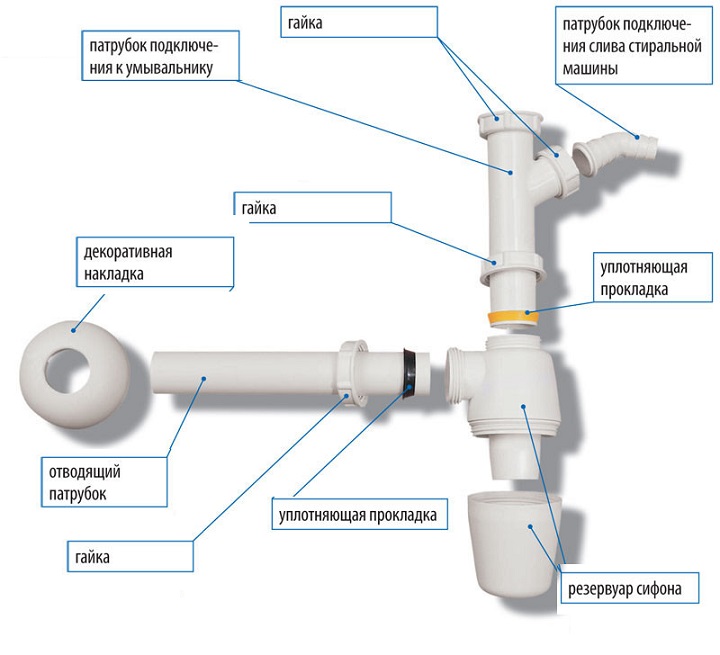
We will show you a diagram of the process of installing a siphon to the sewer (the washing machine will not be included in this diagram):
 Submarine pipe (half inch);
- Machine valve;
- Lead hoses. plastic;
- Filling with liquid;
- A hose designed to drain water;
- Water intake pipe;
- Sewer pipe (for draining liquid).
Water supply and installation of valves
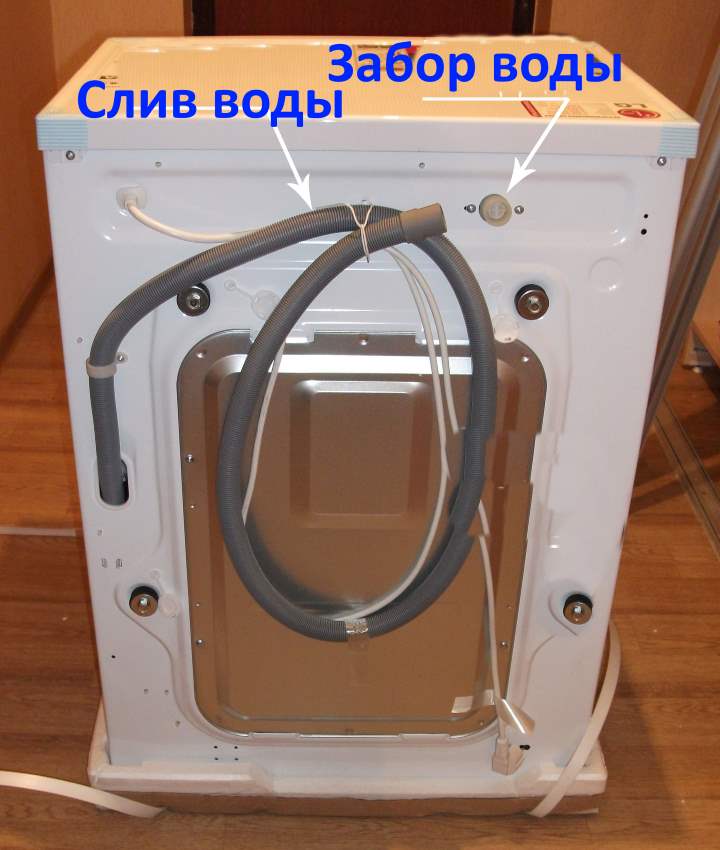
The washing machine comes with plastic hoses—they're used to connect the water and sewer lines to our helper and are located on the lower rear panel of the machine. To secure the hose, there are special threaded rings at the end.
 The box also contains not only hoses, but also valves for them: with their help, you can connect to your pipe.
If anything happens, you can immediately shut off the water supply using this valve.
After turning off the water to the washing machine, water will still flow to other parts of the apartment, since you only turned off the valve on the washing machine, not the entire house. Therefore, you can still use water in the bathroom and kitchen, even though you've turned off the water to the washing machine.
Selecting a valve
Sometimes, the washing machine's drain valve doesn't come with the valve. In this case, you'll need to purchase it yourself from a local hardware store.
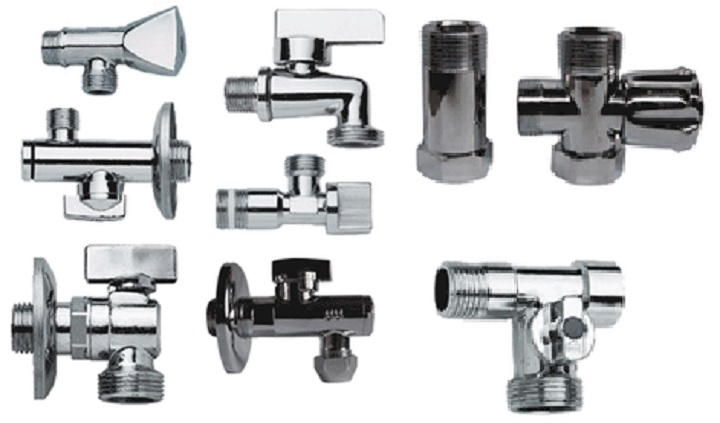 We recommend that you use models from Italian and German manufacturers, as they are the most reliable and will serve you for many years.
There's no need to skimp when choosing a washing machine: it makes sense to buy a genuine, powerful German machine, not a cheap Chinese knockoff, which won't just save you some money but could also cause a flood and inundate your neighbors.
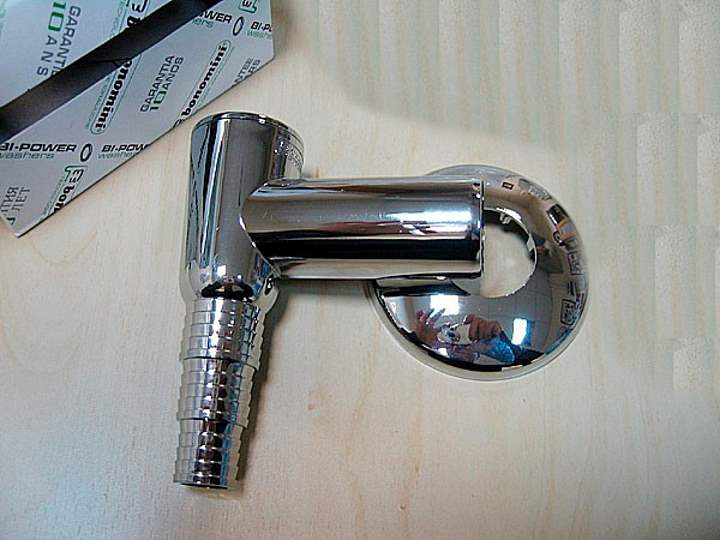 In this case, you will spend even more on your own and your neighbors' repairs, as well as on the purchase of new household appliances.
In some cases, you may be able to use a special self-tapping valve. This can cut a hole in the pipe and shut off the water flow. These special valves also come with special threads for inlet hoses. They are also painted a special color.
Caution! These special valves are only used if there are no other water shutoff devices installed on the water supply pipe. The valve may reduce the pressure needed by the washing machine.
Installation of the valve
Let's take a closer look at the installation of a special valve for a washing machine:
 So, the first thing you need to do is install a plate on the wall for the future clamp there;
- After this, attach the trim piece to the rubber gasket and check to make sure everything is properly secured. If everything is in place, you can proceed with installation.
- Turn the valve to the closed position beforehand to prevent water from flowing, and begin screwing it into the cover plate. This self-tapping valve, or more precisely the part where it enters the pipe, has a special cutting edge that will allow you to easily make a hole.
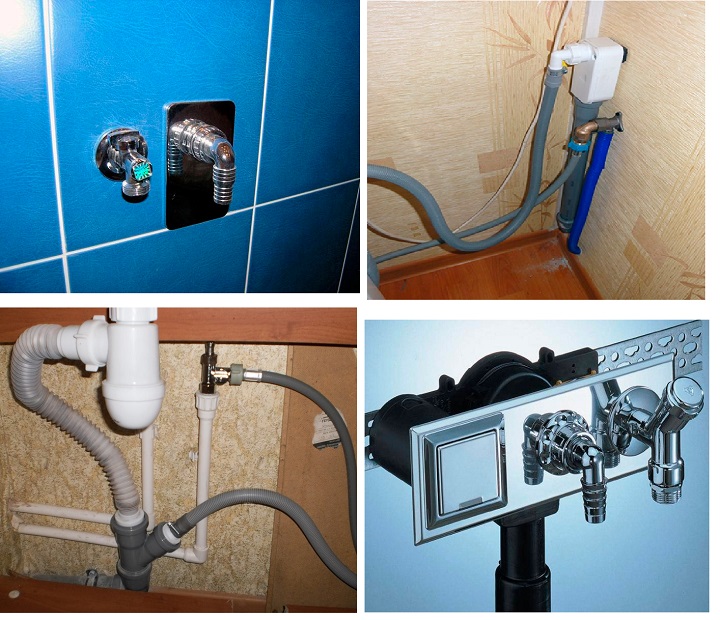
Once you've connected the hose to your washing machine, you can safely turn the valve to the open position. This will ensure water flows into the machine without any problems.
Option with a tee
There is also an option of installation using a tee.
This option is used in cases where there are no water pipes nearby – in which case a tee is needed.
You need to install the tee in such a way that the hose can be connected to it without any obstacles, and at the same time, without interfering with the washing process.
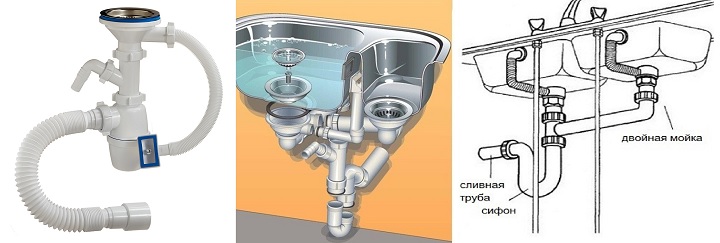
We recommend purchasing tees equipped with a water lock—they allow you to instantly shut off the water supply to the machine in any situation.
The tee should not be inserted at the end or beginning of the pipe, as this is very dangerous. It's better to choose a section of the pipe somewhere in the middle.
Important! This method requires draining the riser. There are times when you should contact your local housing office.
If you're not entirely confident in your abilities, we recommend contacting a professional who can easily resolve this issue quickly and efficiently. Finding such a professional is easy; search online or contact your local housing office.
After all the necessary manipulations have been carried out, you need to screw the drain hose to your assistant.
Siphon with water drainage
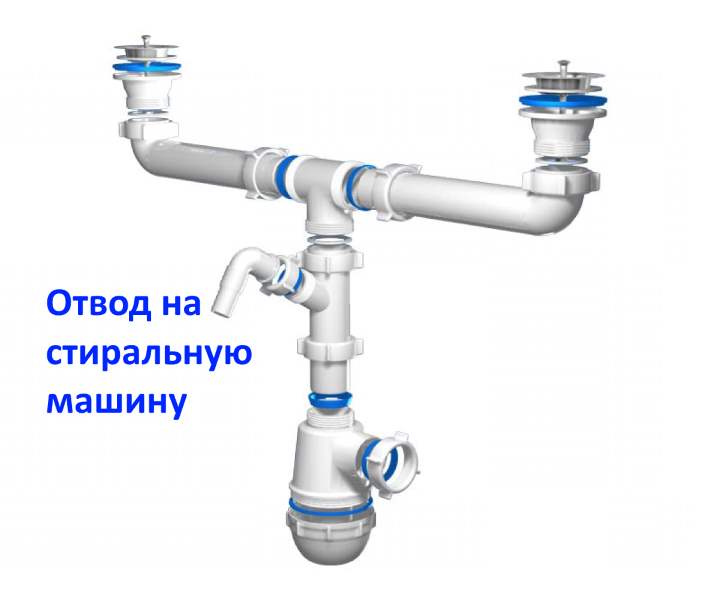
A trap with a drain instantly drains all water from the washing machine. The trap is installed on a pipe. The trap, which you install in the pipe, is designed not only to remove the water used during washing but also to prevent odors from entering your apartment.
Don't forget to look at the value in the machine's documentation, which indicates the maximum drain installation height.
 If your documents don't contain this information, we'll provide it. The measurement is 60 centimeters from the floor and no more.
Perhaps your washing machine is placed close to the sink, in which case you have the option of using a special sink siphon.
The box contains a drain hose that can be connected to a sink, toilet, or bathtub. To do this, attach it to the machine and secure the hook to the corner.
Conclusion
In our article, you've learned about washing machine drain trap installation options, listened to our advice and recommendations, and learned how to choose and purchase household appliances correctly.
We also learned about the features of installation and use of the structure.
Happy installation!


