
 At some moments when using household appliances, you need to be prepared for the fact that various kinds of problems may arise breakdowns.
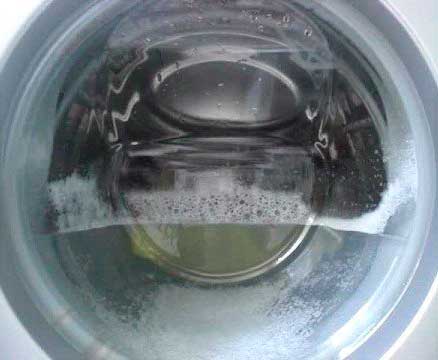
For example, imagine the following scenario: you decide to load your laundry into the drum, but it's not empty at all—there's water in the drum. But why and where from?
It's important to understand the reasons for water leaking in your washing machine and begin repairs. Sometimes, you won't even need help. specialist – you yourself will be able to eliminate the consequences of such an unexpected “surprise”.
Causes of water accumulation
What exactly causes water to accumulate in a washing machine drum? Modern washing machines are designed to prevent leaks.
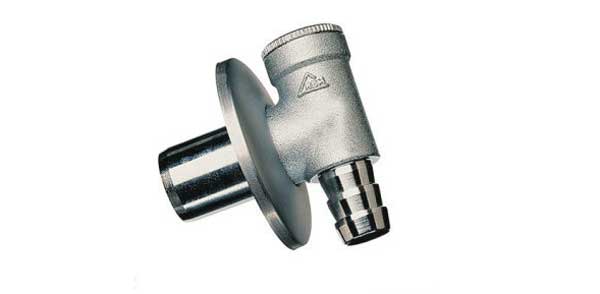 Everything is designed to prevent water from leaking out and causing a flood. There are also washing machines with check valves if you can't use your machine.
And yet, even with safety (and preventative) measures in place, water may continue to appear.
It is important to identify the primary source of water entering the washing machine drum while it is idle.
Let's analyze and find out, What color is the water in the machine?
- With dirty water the stench of sewage We have a problem with the sewerage system.
- If the water is not dirty and does not stink, this indicates problems with the plumbing and some minor malfunctions in the device itself.
If the machine is not connected correctly, then, of course, problems will arise with the sewerage system, and the water drainage will stop functioning.
This naturally causes water to appear in the drum, and several other malfunctions discovered by accident add to the problem. Let's look at some specific examples of how water appears in the washing machine drum.
Water from a non-working washing machine
Let's say the machine is not in use, but there is still water in the device and it won't drain. First, you need to turn off the water tap.
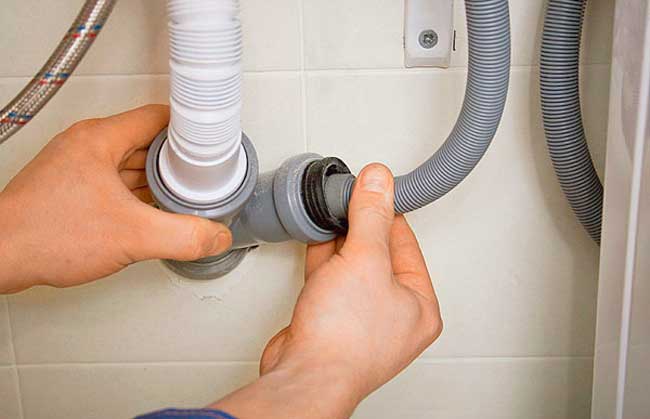 If this action does not solve the problem, then the issue will be in the actual functioning draining waterIt often happens that water from the drain gets into the machine.
The cause of this error is the inaccurate location of the connection to the sewer system. This means you should recheck the device's connection.
 If everything is done properly, then the source of the problem is most likely a blockage inside the device itself.
Anything that drains from the drain will collect inside the machine, and if it can't find a way out, it will rise up the hose. But what can you do? You need to get rid of this blockage.
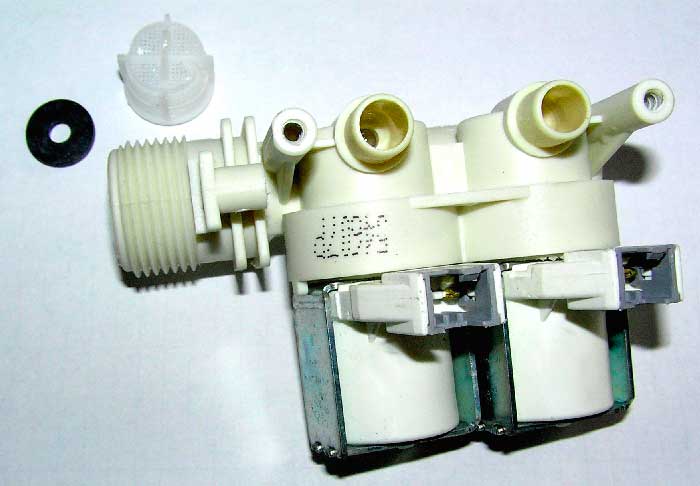 If the water in the washing machine's drum hasn't drained, you may have to completely disassemble your washing machine. There's another option. faulty shut-off entranceBut why might this happen?
- If the water used for washing is of poor quality, it may contain gravel or other small stones. This will result in clogged valves and complete failure.
- There is a possibility of wear and tear valvesHere everything is much simpler, because it can be solved with a simple replacement.
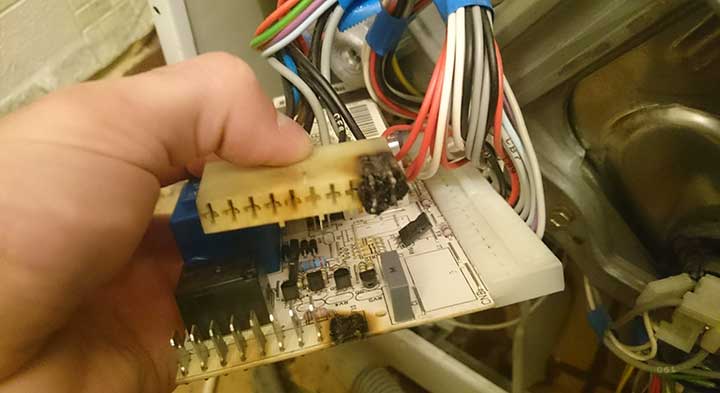 Besides this, there is room in such a situation for an option wiring faults, which also affects the valve. For diagnostics, contact the technicians at the service centers where you purchased your equipment – they will be able to identify the broken part and carefully repair it.
If you can't rely entirely on yourself, you should still turn off the water tap and call a technician.
Water appears in the tank when the device is operating
If the water does not drain completely or remains only in the machine's tray, the problem may lie in the washing machine.
Clogged drain filter
Here's a scenario: you've washed your clothes, and after spinning, there's still water left. To fix this problem, you need to periodically check the drainage system and filter.
The most common reason for water to appear in the washing machine is clogged drain filterWe do everything according to the following plan:
 We drain all the water from the hose manually - otherwise there is a risk of liquid spilling onto the floor.
- We twist it out filter and rinse it vigorously with tap water.
- Let's look at the pump located behind the filter: turn on the drain mode and see if the pump blades are rotating.
- If dirt has clogged the pump, clean that area as well.
- Reinstall everything and run the drain program again. If everything starts working properly, then the clogged drain was the cause.
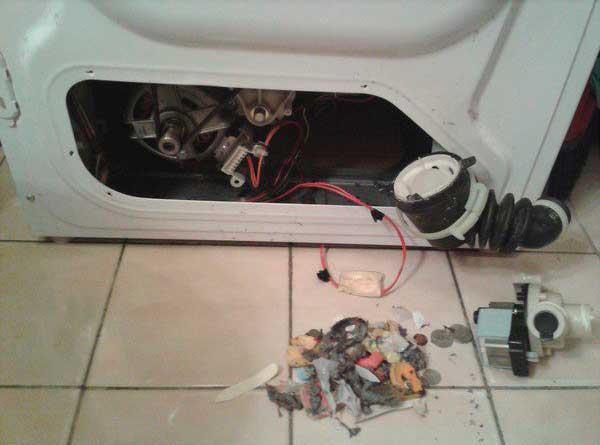
The pump is broken
If you have disassembled the filter and pumps to check for dirt, but this did not yield any visible results, then the breakdown may be much more serious than we assumed.
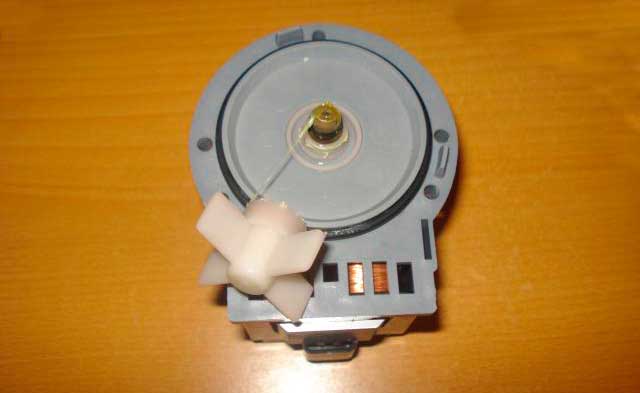 If your washing machine is still trying to drain liquid and is making a loud noise, it's likely time for a major pump overhaul. How can you check for pump failure?
If the pump impeller does not move during draining, then the reason for poor operation is in the impeller.
In this case, DIY repairs are practically impossible, so it's best to call a professional. In 90% of cases, the problem with a broken part can be solved by purchasing a new one and replacing it at home.
You can purchase a new pump yourself or ask service center staff to help you choose the right one. They can advise you on where to find the right pump for your specific needs.
Preventative measures against water appearing in the washing machine tank
 But what if you don't want to repeat such an unpleasant experience? Follow these tips, which will really help you:
- Follow the washing machine manufacturer's instructions.
- Wash items according to the instructions on the labels.
- When loading items into the washing machine, check pockets for items, coins, and papers that could cause this type of damage later.
 Organize cleaning of the unit using special products, such as citric acid.
- Check your equipment periodically for any malfunctions or faults: problems identified early will help you more effectively resolve any future issues.

If you're still unsure whether you can handle the repairs yourself, contact a professional who can 100% guarantee you'll be able to fix the damage.
However, our advice is to take your time and try to do everything yourself first to save money.


