
 It's become difficult to imagine life in the highly developed and constantly progressing 21st century without such a household appliance as a washing machine. But while technology makes life easier, it can also create a host of difficulties.
The more new appliances you have in your home, the more time you'll spend maintaining them. Unfortunately, big-name companies often don't guarantee that the equipment you buy from them will last a long time and without any problems. breakdowns.
One of the most common questions asked by worried washing machine owners is, "What should I do if my washing machine gives me an electric shock?" What causes this kind of malfunction, and how dangerous is it? Can I fix this problem myself? Let's take a closer look.
The main reasons why your washing machine gives you electric shocks
When we talk about electric shock, we usually think of small electrical leaks. But how do they manifest themselves?
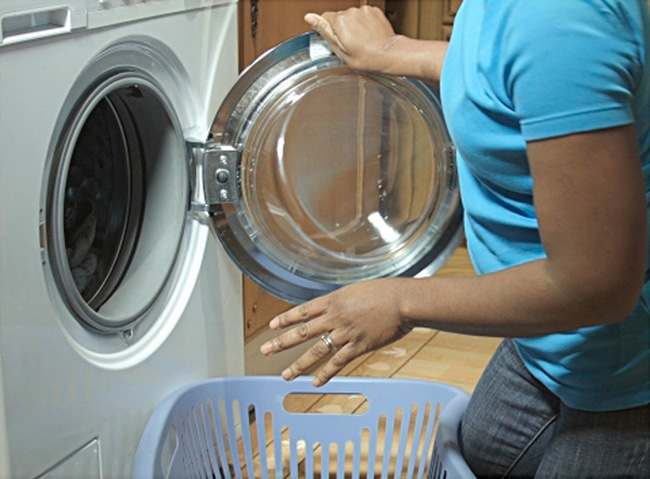
Touching the case with a wet (or in some cases dry) hand begins to cause a certain “tingling” sensation at your fingertips.
Water is an ideal conductor of electric current, and the bathroom itself has high humidity, and even more so the washing machine often filled with waterIt is for this reason that absolutely any current leak will immediately manifest itself.
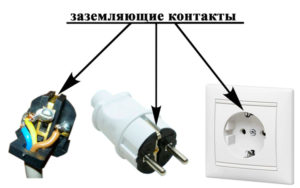
All modern washing machines, such as Electrolux, Indesit, Bosch, Whirlpool, Samsung, Zanussi, Daewoo, Candy, Vestel, and others, have new model plugs that are designed for a three-wire outlet, which contains a phase, neutral, and ground.
In apartments with modern renovations, of course, there is grounding in all switches, sockets, etc.
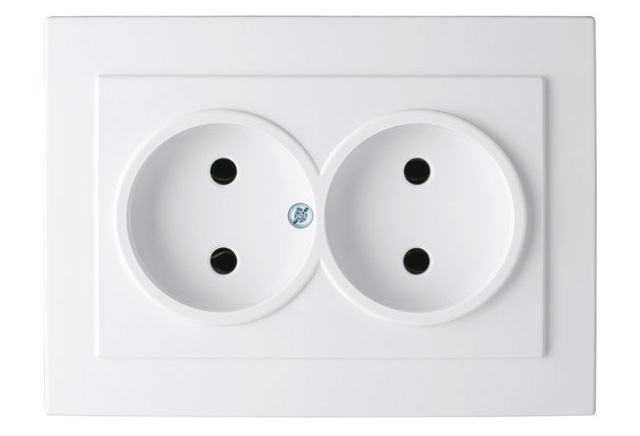 But in the USSR, there were no GOST standards, so even in older buildings, even without recent renovations, there's no grounding. And not only washing machines, but also your refrigerator and other electrical appliances can cause a mild shock if you have ungrounded outlets.
This is one of the most common reasons why your washing machine is giving you electric shocks. This can happen during a wash cycle, when the shock hits the machine body, or after a wash cycle, when you unload the laundry, you might feel a shock in the drum as well. The shocks can also occur after filter elementwhen it is removed for cleaning.
If you feel a tingling sensation in your limbs, you should remember that your hand will never feel a voltage of less than 30V, but if you have already begun to feel the shocks, then the figure is in any case higher.
The main question is how much exactly?
Why is grounding necessary?
 Some may think that this problem can be solved very simply: you just need to avoid touching the machine during washing, and at the end, before unloading the laundry, simply unplug the machine.
But this is not a solution to the problem for the following reason: long-term use of ungrounded equipment is fraught with the rapid death of the device and even danger to you and your loved ones.
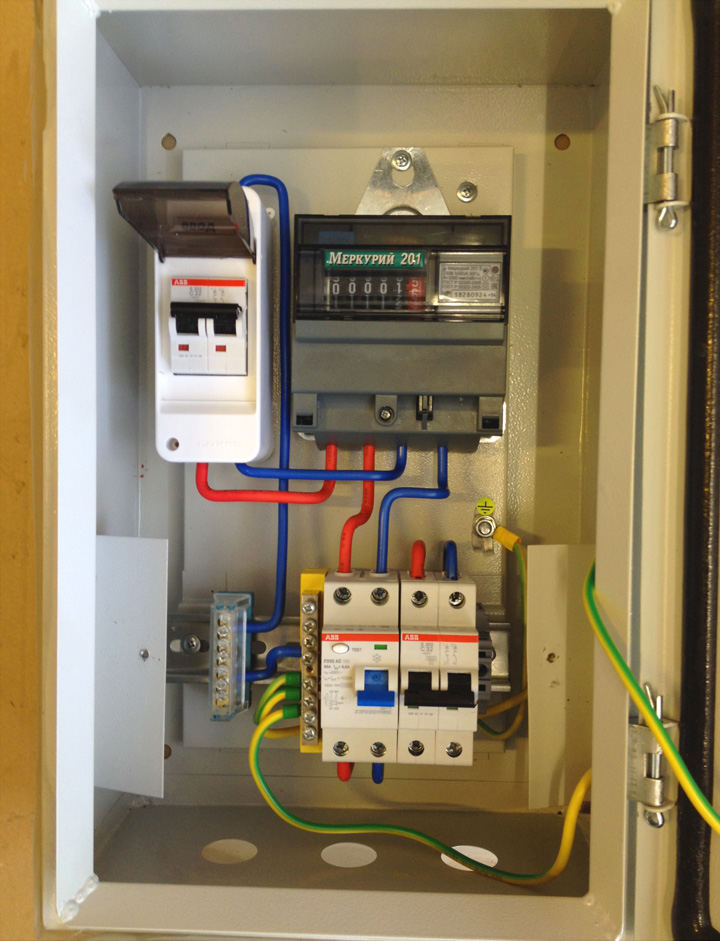
But what should you do? If the outlet isn't three-phase, you can check—perhaps there's a grounding terminal in the electrical panel?
Then all you'll need to do is install new outlets and replace the existing wiring with three-wire. If the electrical panel doesn't provide for this, your only option is to install a 10mA or 30mA RCD in the outlet.
It is strictly forbidden to use water pipes or heating radiators as a substitute for grounding.
Why does my washing machine give me electric shock?
Another cause of electric shock is when the washing machine is running while in the bathroom.
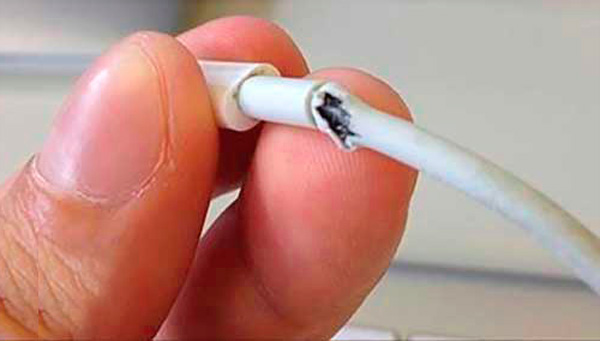 If you feel a current flowing through the water or faucet (when the tap water starts to emit a current), the problem may be a breakdown in the insulation of the wires in the unit itself.
This is especially dangerous if this hasn't happened before—it's a very dangerous sign. A short circuit from within the appliance will lead to costly repairs to the washing machine, which you won't be able to handle yourself.
What should you do in this case? Turn off the power to the washing machine and call a technician immediately. Don't try to fix it yourself!
How to deal with such a problem?
There are a huge number of websites and forums where there is active discussion about how repair equipment yourself, they can recommend a lot of things to you. But remember that it's much easier to give advice thoughtlessly, and the advice-givers won't be held responsible for any accidents.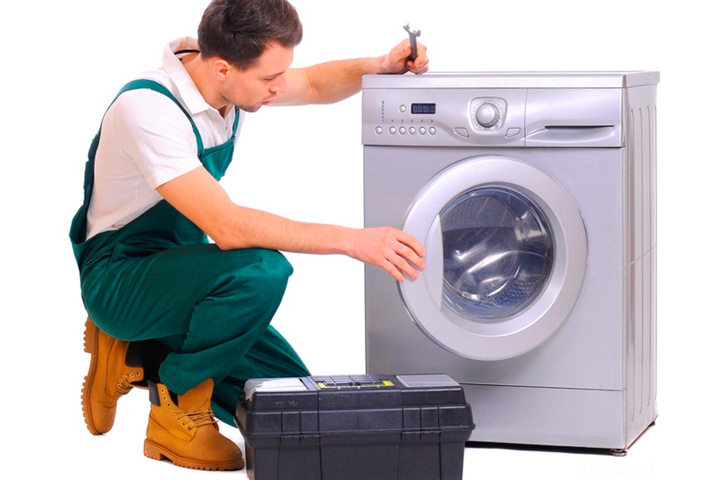
The best solution would be to contact a service center or a workshop that repairs washing machines. Moreover, these should be highly qualified specialists, not just radio installers. It's all complicated, because our "smart" home appliances are so complex that not everyone can figure them out.
And high-quality consultation and reliable repairs don't necessarily mean expensive construction. Remember, "a miser pays twice," so it's best to entrust everything to the professionals!


